


Acoustic panels Hs Code
HS Code: 6806.90
acoustic panels classified under HS code 6806.90
Chapter
68Stone, plaster, cement, asbestos, mica or similar materials , Articles thereof
Heading
6806Slag wool, rock wool and similar mineral wools , Exfoliated vermiculite, expanded clays, foamed slag and similar expanded mineral materials , Mixtures and articles of heat-insulating, sound-insulating or sound-absorbing mineral materials, other than those of heading 6811 or 6812, or of chapter 69
Sub Heading
6806.90Other than slag wool, rock wool and similar mineral wools (including intermixtures thereof), in bulk, sheets or rolls and exfoliated vermiculite, expanded clays, foamed slag and similar expanded mineral materials (including intermixtures thereof)

DeepBeez

Founded in 2025
Tariff Tracker
Acoustic panels
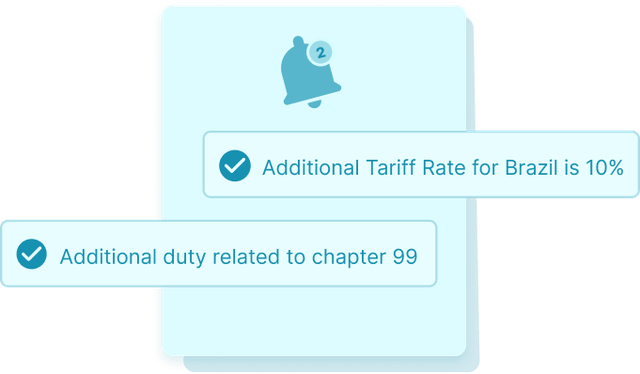
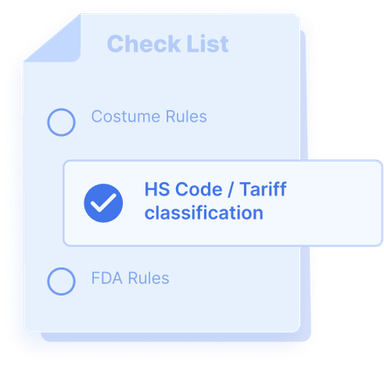
Import Requirements
Acoustic panels
Import Data
Acoustic panels


AI Insight
Plastic Bucket under HS Code 3924-24 shows growing demand in 12 emerging markets with favorable duty rates and limited competition. Our AI has identified key compliance requirements, optimal sourcing regions, and upcoming tariff changes that could impact your margins. See the complete analysis to discover specific opportunities.










Market
Opportunities
Top 5 Partners by Quantity
 United States
 Australia
 India
India Canada


Acoustic panels HS Code description
Acoustic panels harmonized system code
Product Overview Acoustic panels classified under HS Code 680690 are engineered materials primarily composed of mineral-based substances, used to attenuate sound and improve acoustic environments. These panels exhibit defined physical specifications, typically featuring thicknesses ranging from 10 mm to 50 mm, densities between 150 to 300 kg/m³, and surface finishes that may include perforated facings or fabric coverings. Manufactured through advanced processing techniques such as mineral wool bonding or fiber reinforcement, these panels maintain dimensional stability, fire resistance, and sound absorption coefficients (NRC) commonly between 0.6 and 0.95. HS Code 680690 encompasses various subcategories, including mineral wool panels, stone wool acoustic boards, and composite acoustic slabs. Commercially, these products are widely applied in food service facilities, retail outlets, and food processing plants to control noise levels, enhance worker safety, and comply with occupational health regulations. Their value proposition lies in combining effective sound dampening with durability and compliance with hygiene standards, positioning them as essential components in industrial and commercial acoustic management systems. HS Code Classification & Trade Specifications The HS Code 680690 is situated within Chapter 68 (Articles of stone, plaster, cement, asbestos, mica or similar materials), specifically under Heading 6806, which covers “Slag wool, rock wool and similar mineral wools; exfoliated vermiculite, expanded clays, foamed slag and similar expanded mineral materials; mixtures and articles of heat-insulating, sound-insulating or sound-absorbing mineral materials.” The subheading 680690 designates “Other articles” not elsewhere specified within this heading, capturing specialized acoustic panels. Classification under this code is justified by the mineral composition and intended acoustic function of the product. Standard trade practices involve packaging panels in moisture-resistant, palletized bundles with protective wrapping to prevent damage during transport. Preservation methods include humidity control and use of desiccants to maintain product integrity. Shipping typically adheres to international standards for handling bulk mineral goods, ensuring compliance with WTO trade facilitation agreements. Quality standards aligned with ISO 354 (measurement of sound absorption) and ASTM C665 (mineral fiber insulation) are often mandated, supporting consistent customs valuation and regulatory conformity across international markets.
Acoustic panels Chapter Note
1.- This Chapter does not cover : (a) Goods of Chapter 25; (b) Coated, impregnated or covered paper and paperboard of heading 48.10 or 48.11 (for example, paper and paperboard coated with mica powder or graphite, bituminised or asphalted paper and paperboard); (c) Coated, impregnated or covered textile fabric of Chapter 56 or 59 (for example, fabric coated or covered with mica powder, bituminised or asphalted fabric); (d) Articles of Chapter 71; (e) Tools or parts of tools, of Chapter 82; (f) Lithographic stones of heading 84.42; (g) Electrical insulators (heading 85.46) or fittings of insulating material of heading 85.47; (h) Dental burrs (heading 90.18); (ij) Articles of Chapter 91 (for example, clocks and clock cases); (k) Articles of Chapter 94 (for example, furniture, luminaires and lighting fittings, prefabricated buildings); (l) Articles of Chapter 95 (for example, toys, games and sports requisites); (m) Articles of heading 96.02, if made of materials specified in Note 2 (b) to Chapter 96, or of heading 96.06 (for example, buttons), of heading 96.09 (for example, slate pencils), heading 96.10 (for example, drawing slates) or of heading 96.20 (monopods, bipods, tripods and similar articles); or (n) Articles of Chapter 97 (for example, works of art). 2.- In heading 68.02 the expression “worked monumental or building stone” applies not only to the varieties of stone referred to in heading 25.15 or 25.16 but also to all other natural stone (for example, quartzite, flint, dolomite and steatite) similarly worked; it does not, however, apply to slate.