


Artificial stone|HS Code
Artificial Stone belong to HS heading 6810, but the exact 6-digit code depends on your product specifications. Let our AI tool analyze your product details and provide the precise HS code and tariff information.
Artificial Stone HS Codes
Tiles, flagstones, bricks and similar articles Other than Building blocks and bricks
Tiles, flagstones, bricks and similar articles Building blocks and bricks
Other articles Other than Prefabricated structural components for building or civil engineering
Other articles Prefabricated structural components for building or civil engineering

DeepBeez

Founded in 2025
Tariff Tracker
Artificial stone
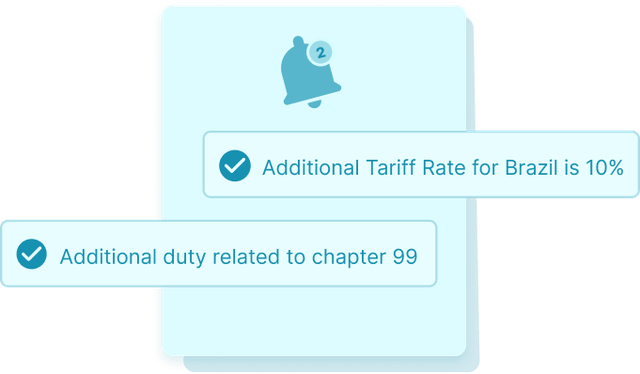
Import Requirements
Artificial stone
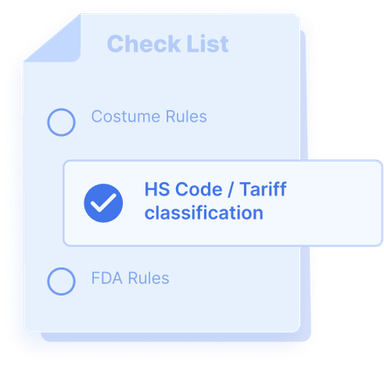
Import Data
Artificial stone


AI Insight
Plastic Bucket under HS Code 3924-24 shows growing demand in 12 emerging markets with favorable duty rates and limited competition. Our AI has identified key compliance requirements, optimal sourcing regions, and upcoming tariff changes that could impact your margins. See the complete analysis to discover specific opportunities.









Market
Opportunities
Top 5 Partners by Quantity
 United States
 Australia
 India
India Canada


Artificial stone HS Code description
Artificial stone harmonized system code
Product Overview Artificial Stone classified under HS Code 6810 refers to a composite product engineered from both organic and inorganic materials, specifically designed to mimic the appearance and durability of natural stone. It is typically created by blending crushed stone, such as granite, marble, or limestone, with a binder like cement or resin, and colored with pigments for an authentic look. The product's key characteristics include high resistance to wear, tear, and weather, smooth or textured surface depending on processing levels, and customizable color and pattern attributes. Within HS Code 6810, Artificial Stone can be further categorized based on type, such as those comprising cement, plastics, or other binders. Commercially, it finds application in food service countertops, retail flooring, wall cladding, and processing industries, offering a cost-effective, durable, and versatile alternative to natural stone. HS Code Classification & Trade Specifications The full 6-digit HS Code for Artificial Stone is 6810.99, with the hierarchical structure being Chapter 68 (Articles of stone, plaster, cement, asbestos, mica or similar materials), Heading 6810 (Articles of cement, concrete or artificial stone), and Subheading 6810.99 (Other). This specific classification is due to the distinctive composition and manufacturing process of Artificial Stone, which separates it from natural stone products. Trade considerations for Artificial Stone include sturdy packaging to prevent damage during transit, preservation methods such as sealing to protect against moisture, and shipping requirements that consider the product's weight and fragility. Quality standards for Artificial Stone must adhere to specific criteria including durability, resistance to stains and scratches, color consistency, and overall finish. These attributes are measurable and verifiable, ensuring compliance with World Trade Organization and customs documentation standards.
Artificial stone Chapter Note
1.- This Chapter does not cover : (a) Goods of Chapter 25; (b) Coated, impregnated or covered paper and paperboard of heading 48.10 or 48.11 (for example, paper and paperboard coated with mica powder or graphite, bituminised or asphalted paper and paperboard); (c) Coated, impregnated or covered textile fabric of Chapter 56 or 59 (for example, fabric coated or covered with mica powder, bituminised or asphalted fabric); (d) Articles of Chapter 71; (e) Tools or parts of tools, of Chapter 82; (f) Lithographic stones of heading 84.42; (g) Electrical insulators (heading 85.46) or fittings of insulating material of heading 85.47; (h) Dental burrs (heading 90.18); (ij) Articles of Chapter 91 (for example, clocks and clock cases); (k) Articles of Chapter 94 (for example, furniture, luminaires and lighting fittings, prefabricated buildings); (l) Articles of Chapter 95 (for example, toys, games and sports requisites); (m) Articles of heading 96.02, if made of materials specified in Note 2 (b) to Chapter 96, or of heading 96.06 (for example, buttons), of heading 96.09 (for example, slate pencils), heading 96.10 (for example, drawing slates) or of heading 96.20 (monopods, bipods, tripods and similar articles); or (n) Articles of Chapter 97 (for example, works of art). 2.- In heading 68.02 the expression “worked monumental or building stone” applies not only to the varieties of stone referred to in heading 25.15 or 25.16 but also to all other natural stone (for example, quartzite, flint, dolomite and steatite) similarly worked; it does not, however, apply to slate.