
Banana leaf Hs Code
HS Code: 1401.90
banana leaf classified under HS code 1401.90
Chapter
14Vegetable plaiting materials , Vegetable products not elsewhere specified or included
Heading
1401Vegetable materials of a kind used primarily for plaiting (for example, bamboos, rattans, reeds, rushes, osier, raffia, cleaned, bleached or dyed cereal straw, and lime bark)
Sub Heading
1401.90Other than bamboos and rattans
DeepBeez

Founded in 2025
Tariff Tracker
Banana leaf
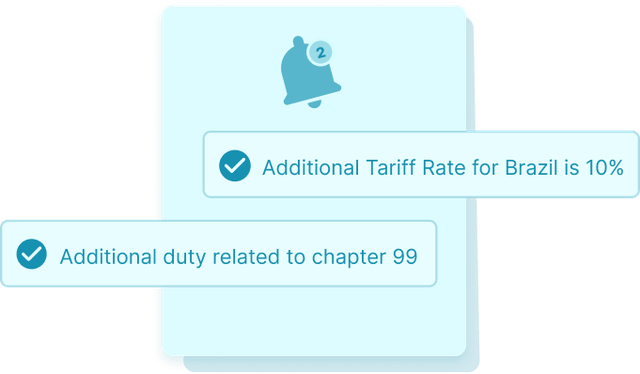
Import Requirements
Banana leaf
Import Data
Banana leaf


AI Insight
Plastic Bucket under HS Code 3924-24 shows growing demand in 12 emerging markets with favorable duty rates and limited competition. Our AI has identified key compliance requirements, optimal sourcing regions, and upcoming tariff changes that could impact your margins. See the complete analysis to discover specific opportunities.










Market
Opportunities
Top 5 Partners by Quantity
 United States
 Australia
 India
India Canada


Banana leaf HS Code description
Banana leaf harmonized system code
Product Overview Banana leaf classified under HS Code 140190 refers to the natural, intact or processed leaves derived from the Musa species, primarily utilized as raw material or semi-processed goods in various commercial applications. These leaves typically measure between 60 to 90 centimeters in length and 30 to 60 centimeters in width, exhibiting a flexible, broad, and smooth surface with a vibrant green coloration. Processing levels range from fresh, cleaned, and trimmed leaves to partially dried or lightly treated forms designed to extend shelf life while maintaining structural integrity. The product classification under HS 140190 encompasses subcategories such as fresh or dried leaves, and those treated with minimal processing to preserve natural properties. Commercially, banana leaves serve as eco-friendly packaging, food wrapping, and serving materials within food service sectors, retail markets, and processing industries, particularly in regions emphasizing sustainable alternatives to synthetic packaging. Their natural biodegradability, high tensile strength, and moisture resistance position them as valuable commodities in international trade, offering competitive advantages in markets driven by environmental regulations and consumer demand for sustainable products. HS Code Classification & Trade Specifications The HS Code 140190 is structured as follows: Chapter 14 (Vegetable Plaiting Materials; Vegetable Products Not Elsewhere Specified or Included), Heading 1401 (Vegetable Plaiting Materials), and Subheading 140190 (Other vegetable plaiting materials, including banana leaves). The classification rationale is based on the botanical origin and the primary use of the material in plaiting or packaging applications, distinguishing banana leaves from other plant-derived materials. Trade considerations for banana leaves include packaging in ventilated crates or moisture-controlled cartons to prevent microbial growth and physical damage during transit. Preservation methods often involve refrigeration at temperatures between 4°C and 8°C or vacuum-sealing to maintain freshness and prevent discoloration. Shipping protocols must comply with phytosanitary regulations and international standards such as those outlined by the International Plant Protection Convention (IPPC). Quality standards are measured by parameters including leaf size uniformity, absence of pest infestation, moisture content not exceeding 70%, and freedom from mechanical defects. Compliance with WTO agreements and alignment with the Harmonized Commodity Description and Coding System ensures accurate customs classification and facilitates smooth import-export operations.
Banana leaf Chapter Note
1.- This Chapter does not cover the following products which are to be classified in Section XI : vegetable materials or fibres of vegetable materials of a kind used primarily in the manufacture of textiles, however prepared, or other vegetable materials which have undergone treatment so as to render them suitable for use only as textile materials. 2.- Heading 14.01 applies, inter alia, to bamboos (whether or not split, sawn lengthwise, cut to length, rounded at the ends, bleached, rendered non-inflammable, polished or dyed), split osier, reeds and the like, to rattan cores and to drawn or split rattans. The heading does not apply to chipwood (heading 44.04). 3.- Heading 14.04 does not apply to wood wool (heading 44.05) and prepared knots or tufts for broom or brush making (heading 96.03).