


Calcium oxide Hs Code
HS Code: 2522.10
calcium oxide classified under HS code 2522.10
Chapter
25Salt , Sulphur , Earths, stone , Plastering materials, lime and cement
Heading
2522Quicklime, slaked lime and hydraulic lime, other than calcium oxide and hydroxide of heading 2825
Sub Heading
2522.10Quicklime

DeepBeez

Founded in 2025
Tariff Tracker
Calcium oxide
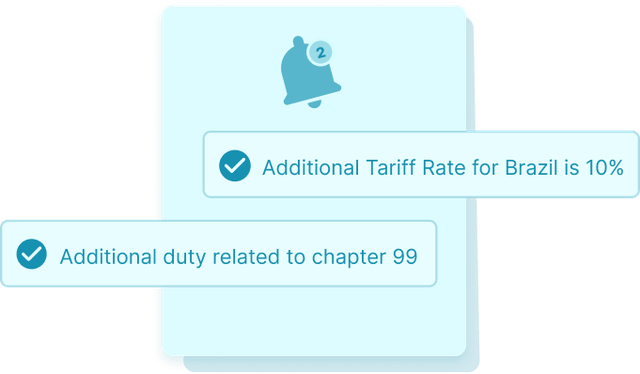
Import Requirements
Calcium oxide

Import Data
Calcium oxide


AI Insight
Plastic Bucket under HS Code 3924-24 shows growing demand in 12 emerging markets with favorable duty rates and limited competition. Our AI has identified key compliance requirements, optimal sourcing regions, and upcoming tariff changes that could impact your margins. See the complete analysis to discover specific opportunities.










Market
Opportunities
Top 5 Partners by Quantity
 United States
 Australia
 India
India Canada


Calcium oxide HS Code description
Calcium oxide harmonized system code
Product Overview Calcium oxide (CaO), classified under HS Code 252210, is an inorganic chemical compound commonly referred to as quicklime or burnt lime. It is produced through the thermal decomposition of calcium carbonate (limestone) in a calcination process at temperatures exceeding 900°C, resulting in a white to grayish-white, granular or powdered solid with a Mohs hardness of approximately 3 and a bulk density ranging from 0.94 to 1.12 g/cm³. The product typically meets industrial-grade purity standards, with calcium oxide content exceeding 90%, minimal moisture content below 1%, and controlled levels of impurities such as magnesium oxide and silica to ensure consistent reactivity and performance. Within HS Code 252210, subcategories may include hydrated lime and various purity grades differentiated by particle size and chemical composition. Calcium oxide is extensively utilized across food processing (e.g., pH regulation and clarifying agent), water treatment, chemical manufacturing, steel production, and environmental applications. Its high reactivity and versatility position it as a critical raw material in multiple sectors, offering cost-effective and reliable performance for industrial users and importers. HS Code Classification & Trade Specifications The HS Code 252210 corresponds to Chapter 25 (Salt; sulphur; earths and stone; plastering materials, lime and cement), Heading 2522 (Quicklime, slaked lime and hydraulic lime), with the specific Subheading 252210 designating calcium oxide. This classification is based on the chemical composition and industrial processing method distinguishing calcium oxide from other lime products such as slaked lime (calcium hydroxide). Trade compliance requires adherence to WTO harmonized system protocols, ensuring precise product description and classification for customs clearance. Calcium oxide is commonly packaged in multi-layered paper bags with polyethylene liners or bulk containers designed to prevent moisture ingress, preserving product integrity during transit. Typical shipment sizes range from 25 kg bags to bulk tanker loads, with storage conditions maintaining a dry, well-ventilated environment to avoid hydration and caking. Quality standards are guided by international specifications such as ISO 3262 and ASTM C110, emphasizing minimum CaO content, controlled loss on ignition, and low impurity levels to meet end-user requirements. Documentation must reflect these parameters to facilitate smooth customs processing and international trade compliance.
Calcium oxide Chapter Note
1.- Except where their context or Note 4 to this Chapter otherwise requires, the headings of this Chapter cover only products which are in the crude state or which have been washed (even with chemical substances eliminating the impurities without changing the structure of the product), crushed, ground, powdered, levigated, sifted, screened, concentrated by flotation, magnetic separation or other mechanical or physical processes (except crystallisation), but not products which have been roasted, calcined, obtained by mixing or subjected to processing beyond that mentioned in each heading. The products of this Chapter may contain an added anti-dusting agent, provided that such addition does not render the product particularly suitable for specific use rather than for general use. 2.- This Chapter does not cover : (a) Sublimed sulphur, precipitated sulphur or colloidal sulphur (heading 28.02); (b) Earth colours containing 70 % or more by weight of combined iron evaluated as Fe2O3 (heading 28.21); (c) Medicaments or other products of Chapter 30; (d) Perfumery, cosmetic or toilet preparations (Chapter 33); (e) Dolomite ramming mix (heading 38.16); (f) Setts, curbstones or flagstones (heading 68.01); mosaic cubes or the like (heading 68.02); roofing, facing or damp course slates (heading 68.03); (g) Precious or semi-precious stones (heading 71.02 or 71.03); (h) Cultured crystals (other than optical elements) weighing not less than 2.5 g each, of sodium chloride or of magnesium oxide, of heading 38.24; optical elements of sodium chloride or of magnesium oxide (heading 90.01); (ij) Billiard chalks (heading 95.04); or (k) Writing or drawing chalks or tailors' chalks (heading 96.09). 3.- Any products classifiable in heading 25.17 and any other heading of the Chapter are to be classified in heading 25.17. 4.- Heading 25.30 applies, inter alia, to : vermiculite, perlite and chlorites, unexpanded; earth colours, whether or not calcined or mixed together; natural micaceous iron oxides; meerschaum (whether or not in polished pieces); amber; agglomerated meerschaum and agglomerated amber, in plates, rods, sticks or similar forms, not worked after moulding; jet; strontianite (whether or not calcined), other than strontium oxide; broken pieces of pottery, brick or concrete.