


Ceramic plates Hs Code
HS Code: 6912.00
ceramic plates classified under HS code 6912.00
Chapter
69Ceramic products
Heading
6912Ceramic tableware, kitchenware, other household articles and toilet articles, other than of porcelain or china
Sub Heading
6912.00Tableware and kitchenware

DeepBeez

Founded in 2025
Tariff Tracker
Ceramic plates
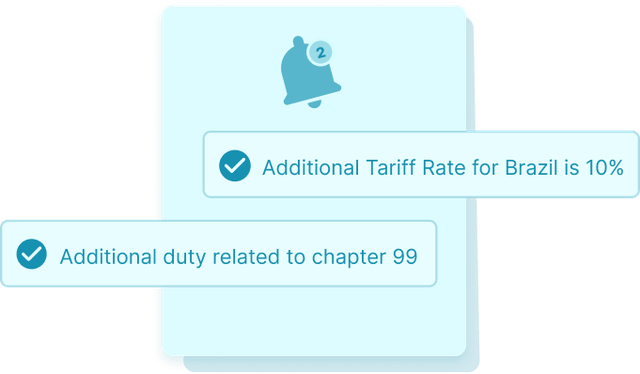
Import Requirements
Ceramic plates

Import Data
Ceramic plates


AI Insight
Plastic Bucket under HS Code 3924-24 shows growing demand in 12 emerging markets with favorable duty rates and limited competition. Our AI has identified key compliance requirements, optimal sourcing regions, and upcoming tariff changes that could impact your margins. See the complete analysis to discover specific opportunities.










Market
Opportunities
Top 5 Partners by Quantity
 United States
 Australia
 India
India Canada


Ceramic plates HS Code description
Ceramic plates harmonized system code
Product Overview Ceramic plates classified under HS Code 691200 encompass flat or shallow dishware primarily composed of fired ceramic materials, including porcelain and earthenware. These products are characterized by their rigidity, durability, and resistance to thermal shock, with typical dimensions ranging from 15 cm to 30 cm in diameter and thickness between 0.5 mm to 2 mm. The manufacturing process involves shaping clay-based raw materials followed by high-temperature kiln firing (generally above 1200°C) to achieve vitrification and enhanced mechanical strength. Within HS 691200, subcategories distinguish between porcelain and china tableware, stoneware, and other ceramic articles based on material composition and finishing techniques. Commercially, ceramic plates serve indispensable roles across food service sectors—restaurants, catering, and institutional dining—as well as retail markets for household use and food processing industries requiring hygienic, non-porous surfaces. Their competitive advantage lies in high chemical inertness, ease of sterilization, and aesthetic versatility, aligning with both functional and regulatory demands in international trade. HS Code Classification & Trade Specifications The HS Code 691200 is structured under Chapter 69 (Ceramic products), Heading 12 (Ceramic tableware, kitchenware, other household articles and hygienic or toilet articles), with Subheading 691200 specifying ceramic plates and similar articles. This classification is predicated on the product’s material composition—ceramic—and its intended use as tableware. Compliance with this code facilitates uniform tariff application and customs processing globally. Standard trade practices dictate packaging in corrugated fiberboard cartons with internal protective padding to mitigate breakage during transit. Preservation involves moisture control and sometimes inert gas flushing to prevent mold or surface degradation. Shipping requirements typically mandate handling as fragile cargo, with clear labeling and adherence to Incoterms for risk management. Quality standards conform to ISO 6486 (Ceramic tableware - Chemical resistance) and relevant FDA or EU food contact material regulations, ensuring product safety and regulatory acceptance. Adherence to WTO guidelines and the Harmonized System nomenclature ensures accurate classification and expedient customs clearance in international trade operations.
Ceramic plates Chapter Note
1.- This Chapter applies only to ceramic products which have been fired after shaping : (a) Headings 69.04 to 69.14 apply only to such products other than those classifiable in headings 69.01 to 69.03; (b) Articles heated to temperatures less than 800 °C for purposes such as curing of resins, accelerating hydration reactions, or for the removal of water or other volatile components, are not considered to be fired. Such articles are excluded from Chapter 69; and (c) Ceramic articles are obtained by firing inorganic, non-metallic materials which have been prepared and shaped previously at, in general, room temperature. Raw materials comprise, inter alia, clays, siliceous materials including fused silica, materials with a high melting point, such as oxides, carbides, nitrides, graphite or other carbon, and in some cases binders such as refractory clays or phosphates. 2.- This Chapter does not cover : (a) Products of heading 28.44; (b) Articles of heading 68.04; (c) Articles of Chapter 71 (for example, imitation jewellery); (d) Cermets of heading 81.13; (e) Articles of Chapter 82; (f) Electrical insulators (heading 85.46) or fittings of insulating material of heading 85.47; (g) Artificial teeth (heading 90.21); (h) Articles of Chapter 91 (for example, clocks and clock cases); (ij) Articles of Chapter 94 (for example, furniture, luminaires and lighting fittings, prefabricated buildings); (k) Articles of Chapter 95 (for example, toys, games and sports requisites); (l) Articles of heading 96.06 (for example, buttons) or of heading 96.14 (for example, smoking pipes); or (m) Articles of Chapter 97 (for example, works of art).