


Ceramic pot Hs Code
HS Code: 6912.00
ceramic pot classified under HS code 6912.00
Chapter
69Ceramic products
Heading
6912Ceramic tableware, kitchenware, other household articles and toilet articles, other than of porcelain or china
Sub Heading
6912.00Tableware and kitchenware

DeepBeez

Founded in 2025
Tariff Tracker
Ceramic pot
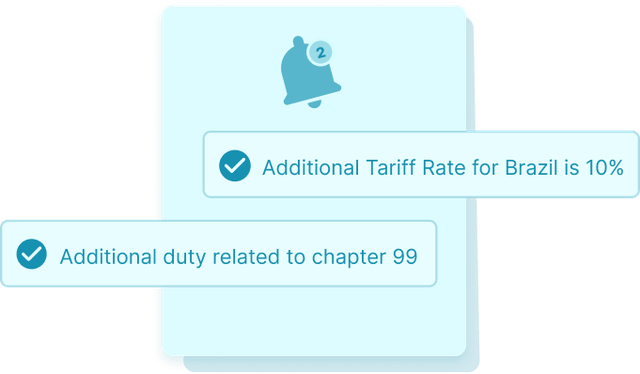
Import Requirements
Ceramic pot

Import Data
Ceramic pot


AI Insight
Plastic Bucket under HS Code 3924-24 shows growing demand in 12 emerging markets with favorable duty rates and limited competition. Our AI has identified key compliance requirements, optimal sourcing regions, and upcoming tariff changes that could impact your margins. See the complete analysis to discover specific opportunities.










Market
Opportunities
Top 5 Partners by Quantity
 United States
 Australia
 India
India Canada


Ceramic pot HS Code description
Ceramic pot harmonized system code
Product Overview Ceramic pots classified under HS Code 691200 are defined as vessels made primarily from fired ceramic materials, intended for a variety of functional and decorative uses. These pots typically exhibit dimensions ranging from small tabletop sizes (approximately 10 cm diameter) to larger horticultural containers exceeding 50 cm diameter, with wall thicknesses between 4-10 mm depending on design and manufacturing process. They undergo advanced processing techniques including slip casting, glazing, and high-temperature kiln firing (above 1200°C), resulting in enhanced durability, thermal resistance, and aesthetic uniformity. HS Code 691200 encompasses subcategories such as glazed ceramic pots, unglazed terracotta pots, and ornamental ceramic containers, each differentiated by surface treatment and intended function. Commercially, these ceramic pots serve critical roles in food service (e.g., cooking and serving), retail plant nurseries, and industrial processing where chemical inertness and heat stability are essential. Their value proposition lies in combining functional robustness with compliance to hygiene standards, positioning them competitively in both domestic and international markets for durable ceramic wares. HS Code Classification & Trade Specifications The complete HS Code for ceramic pots is 691200, structured as follows: Chapter 69 (Ceramic products), Heading 12 (Ceramic tableware, kitchenware, other household articles and toilet articles, other than of porcelain or china), and Subheading 00 specifically for ceramic pots excluding porcelain. This classification is justified by the material composition—non-porcelain fired ceramics—and product function aligned with household and commercial use. Trade compliance necessitates packaging in moisture-resistant, impact-absorbing materials such as corrugated fiberboard with internal cushioning to prevent chipping during transit. Preservation typically involves controlled humidity and temperature environments to mitigate cracking or glaze damage. Shipping containers must comply with ISPM 15 regulations if wooden pallets are used. Quality standards reference ISO 13006 for ceramic tiles applicable by analogy for dimensional tolerances and glaze quality, and compliance with WTO Technical Barriers to Trade (TBT) agreements ensures standardized testing and certification procedures. This classification facilitates accurate customs declaration, tariff determination, and smooth cross-border logistics in global trade operations.
Ceramic pot Chapter Note
1.- This Chapter applies only to ceramic products which have been fired after shaping : (a) Headings 69.04 to 69.14 apply only to such products other than those classifiable in headings 69.01 to 69.03; (b) Articles heated to temperatures less than 800 °C for purposes such as curing of resins, accelerating hydration reactions, or for the removal of water or other volatile components, are not considered to be fired. Such articles are excluded from Chapter 69; and (c) Ceramic articles are obtained by firing inorganic, non-metallic materials which have been prepared and shaped previously at, in general, room temperature. Raw materials comprise, inter alia, clays, siliceous materials including fused silica, materials with a high melting point, such as oxides, carbides, nitrides, graphite or other carbon, and in some cases binders such as refractory clays or phosphates. 2.- This Chapter does not cover : (a) Products of heading 28.44; (b) Articles of heading 68.04; (c) Articles of Chapter 71 (for example, imitation jewellery); (d) Cermets of heading 81.13; (e) Articles of Chapter 82; (f) Electrical insulators (heading 85.46) or fittings of insulating material of heading 85.47; (g) Artificial teeth (heading 90.21); (h) Articles of Chapter 91 (for example, clocks and clock cases); (ij) Articles of Chapter 94 (for example, furniture, luminaires and lighting fittings, prefabricated buildings); (k) Articles of Chapter 95 (for example, toys, games and sports requisites); (l) Articles of heading 96.06 (for example, buttons) or of heading 96.14 (for example, smoking pipes); or (m) Articles of Chapter 97 (for example, works of art).