

Ceramic vase|HS Code
Ceramic Vase belong to HS heading 6913, but the exact 6-digit code depends on your product specifications. Let our AI tool analyze your product details and provide the precise HS code and tariff information.

DeepBeez

Founded in 2025
Tariff Tracker
Ceramic vase
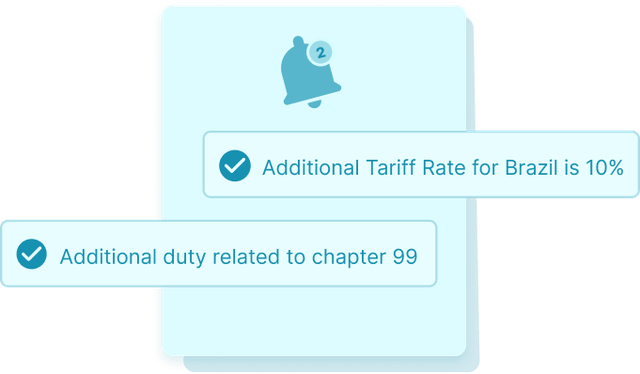
Import Requirements
Ceramic vase
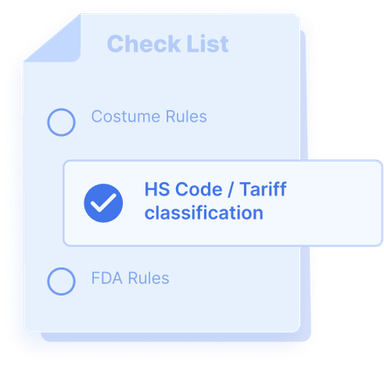
Import Data
Ceramic vase


AI Insight
Plastic Bucket under HS Code 3924-24 shows growing demand in 12 emerging markets with favorable duty rates and limited competition. Our AI has identified key compliance requirements, optimal sourcing regions, and upcoming tariff changes that could impact your margins. See the complete analysis to discover specific opportunities.









Market
Opportunities
Top 5 Partners by Quantity
 United States
 Australia
 India
India Canada


Ceramic vase HS Code description
Ceramic vase harmonized system code
Product Overview A Ceramic Vase under HS Code 6913 refers to a high-grade decorative or utilitarian item primarily intended for holding flowers or as a standalone piece of decor. It is manufactured from fine clay materials that have been fired at high temperatures to achieve a hard, non-porous finish. Key characteristics include a wide range of shapes and sizes, varying from small table-top pieces to large floor-standing models, with finishes ranging from glazed to hand-painted or plain. The HS Code 6913 encompasses several subcategories which include statuettes, other ornamental ceramic articles, and other ceramic articles of porcelain or china. The ceramic vase finds extensive commercial applications in sectors such as hospitality, interior design, event planning, and retail due to its versatility and aesthetic appeal. Its market positioning is based on its unique combination of functionality, durability, and visual appeal, making it a coveted item in both domestic and commercial settings. HS Code Classification & Trade Specifications The complete HS Code structure for Ceramic Vases is Chapter 69 (Ceramic Products), Heading 13 (Statuettes and other ornamental ceramic articles), with no specific subheading. This classification rationale stems from the fact that ceramic vases are considered ornamental items under the broad category of ceramic products. Trade considerations for Ceramic Vases include packaging in bubble wrap and sturdy boxes to prevent damage during transit, with preservation methods requiring a dry, cool environment to maintain the product's integrity. Shipping requirements typically involve careful handling due to the breakable nature of the product. Quality standards for Ceramic Vases under HS Code 6913 adhere to international trade stipulations, ensuring that the product is free from cracks, chips, and blemishes, with a consistent finish. This detailed description aligns with World Trade Organization and customs documentation standards, ensuring smooth international trade transactions.
Ceramic vase Chapter Note
1.- This Chapter applies only to ceramic products which have been fired after shaping : (a) Headings 69.04 to 69.14 apply only to such products other than those classifiable in headings 69.01 to 69.03; (b) Articles heated to temperatures less than 800 °C for purposes such as curing of resins, accelerating hydration reactions, or for the removal of water or other volatile components, are not considered to be fired. Such articles are excluded from Chapter 69; and (c) Ceramic articles are obtained by firing inorganic, non-metallic materials which have been prepared and shaped previously at, in general, room temperature. Raw materials comprise, inter alia, clays, siliceous materials including fused silica, materials with a high melting point, such as oxides, carbides, nitrides, graphite or other carbon, and in some cases binders such as refractory clays or phosphates. 2.- This Chapter does not cover : (a) Products of heading 28.44; (b) Articles of heading 68.04; (c) Articles of Chapter 71 (for example, imitation jewellery); (d) Cermets of heading 81.13; (e) Articles of Chapter 82; (f) Electrical insulators (heading 85.46) or fittings of insulating material of heading 85.47; (g) Artificial teeth (heading 90.21); (h) Articles of Chapter 91 (for example, clocks and clock cases); (ij) Articles of Chapter 94 (for example, furniture, luminaires and lighting fittings, prefabricated buildings); (k) Articles of Chapter 95 (for example, toys, games and sports requisites); (l) Articles of heading 96.06 (for example, buttons) or of heading 96.14 (for example, smoking pipes); or (m) Articles of Chapter 97 (for example, works of art).