


Cotton blanket Hs Code
HS Code: 6301.30
cotton blanket classified under HS code 6301.30
Chapter
63Textiles, made up articles , Sets , Worn clothing and worn textile articles , Rags
Heading
6301Blankets and traveling rugs
Sub Heading
6301.30Blankets (other than electric blankets) and traveling rugs, of cotton

DeepBeez

Founded in 2025
Tariff Tracker
Cotton blanket
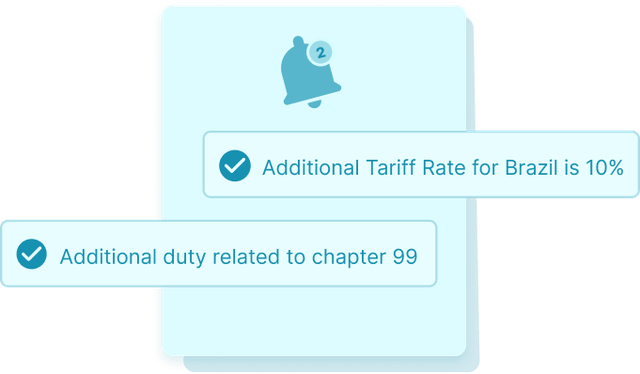
Import Requirements
Cotton blanket
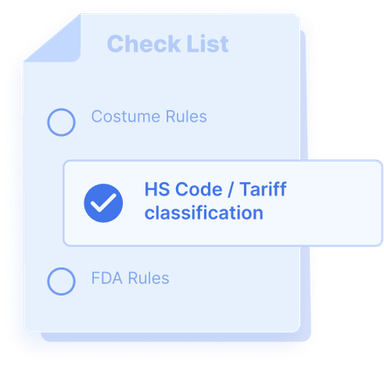
Import Data
Cotton blanket


AI Insight
Plastic Bucket under HS Code 3924-24 shows growing demand in 12 emerging markets with favorable duty rates and limited competition. Our AI has identified key compliance requirements, optimal sourcing regions, and upcoming tariff changes that could impact your margins. See the complete analysis to discover specific opportunities.










Market
Opportunities
Top 5 Partners by Quantity
 United States
 Australia
 India
India Canada


Cotton blanket HS Code description
Cotton blanket harmonized system code
Product Overview Cotton blankets classified under HS Code 630130 are textile articles primarily composed of woven or knitted cotton fibers designed for covering and insulation purposes. These blankets typically exhibit dimensions ranging from 150 cm x 200 cm to 220 cm x 240 cm and are manufactured using medium to high thread counts (180-300 threads per inch), ensuring durability and thermal efficiency. The processing involves carding, spinning, weaving, and finishing treatments such as bleaching, dyeing, and mercerization to enhance softness, colorfastness, and resistance to shrinkage. HS Code 630130 encompasses blankets made entirely of cotton, subdivided into categories based on weave type (plain, twill, or satin) and finish (printed or plain). Commercially, these cotton blankets serve diverse applications including hospitality and food service sectors for table covering or warmth provision, retail markets as household bedding, and processing industries requiring hygienic, breathable coverings. Their value proposition hinges on natural fiber composition, biodegradability, ease of maintenance, and compliance with international textile standards, positioning them competitively in global trade. HS Code Classification & Trade Specifications The HS Code 630130 falls under Chapter 63 (Other Made-Up Textile Articles; Sets; Worn Clothing and Worn Textile Articles), specifically Heading 63.01 (Blankets and travelling rugs) and Subheading 6301.30 (Blankets, of cotton). This hierarchical structure facilitates precise customs classification and tariff determination. The classification rationale is based on the blanket’s material composition (100% cotton) and intended use as a covering article. Trade considerations involve standardized packaging, typically in moisture-resistant polybags or cartons, to maintain product integrity during transit. Preservation methods include anti-microbial treatments and controlled humidity storage to prevent mold and fiber degradation. Shipping requirements recommend palletization and adherence to ISPM 15 phytosanitary standards when wooden packaging is used. Quality standards conform to ISO 105 (colorfastness), ISO 6330 (domestic washing), and OEKO-TEX® certification ensuring absence of harmful substances. Compliance with WTO agreements and harmonized tariff schedules ensures smooth customs clearance and facilitates international business transactions.
Cotton blanket Chapter Note
1.- Sub-Chapter I applies only to made up articles, of any textile fabric. 2.- Sub-Chapter I does not cover : (a) Goods of Chapters 56 to 62; or (b) Worn clothing or other worn articles of heading 63.09. 3.- Heading 63.09 applies only to the following goods : (a) Articles of textile materials : (i) Clothing and clothing accessories, and parts thereof; (ii) Blankets and travelling rugs; (iii) Bed linen, table linen, toilet linen and kitchen linen; (iv) Furnishing articles, other than carpets of headings 57.01 to 57.05 and tapestries of heading 58.05; (b) Footwear and headgear of any material other than asbestos. In order to be classified in this heading, the articles mentioned above must comply with both of the following requirements : (i) they must show signs of appreciable wear, and (ii) they must be presented in bulk or in bales, sacks or similar packings.