


Cotton string Hs Code
HS Code: 5607.90
cotton string classified under HS code 5607.90
Chapter
56Wadding, felt and nonwovens, special yarns , Twine, cordage, ropes and cables and articles thereof
Heading
5607Twine, cordage, ropes and cables, whether or not plaited or braided and whether or not impregnated, coated, covered or sheathed with rubber or plastics
Sub Heading
5607.90Other than of sisal or other textile fibers of the genus agave, of polyethylene or polypropylene, and of other synthetic fibers

DeepBeez

Founded in 2025
Tariff Tracker
Cotton string
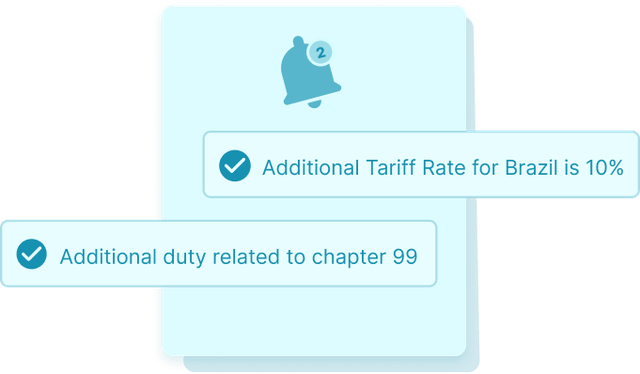
Import Requirements
Cotton string
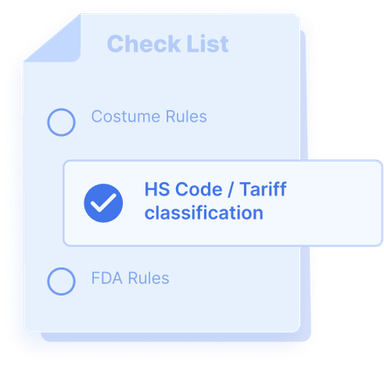
Import Data
Cotton string


AI Insight
Plastic Bucket under HS Code 3924-24 shows growing demand in 12 emerging markets with favorable duty rates and limited competition. Our AI has identified key compliance requirements, optimal sourcing regions, and upcoming tariff changes that could impact your margins. See the complete analysis to discover specific opportunities.










Market
Opportunities
Top 5 Partners by Quantity
 United States
 Australia
 India
India Canada


Cotton string HS Code description
Cotton string harmonized system code
Product Overview Cotton string classified under HS Code 560790 refers to twine, cordage, ropes, and cables composed predominantly of cotton fibers, excluding those of heading 5607.10 to 5607.40. This product is manufactured through the twisting or braiding of spun cotton yarns to form a flexible, durable string with diameters typically ranging from 1 mm to 10 mm, depending on end-use specifications. The cotton used is generally combed and mercerized to enhance tensile strength, uniformity, and resistance to fraying. Within HS Code 560790, subcategories differentiate based on ply count, twist direction, and finishing treatments, such as bleaching or dyeing. Commercially, cotton string is widely utilized in food service for tying meat or produce, in retail packaging, and various processing industries requiring secure bundling or suspension. Its natural fiber composition offers biodegradability and breathability, positioning it as a sustainable alternative to synthetic counterparts in international markets focused on eco-friendly sourcing. The product’s consistent quality, adherence to international fiber standards, and versatility underpin its competitive advantage in global trade. HS Code Classification & Trade Specifications Under the Harmonized System, cotton string falls within Chapter 56 (Wadding, felt, and nonwovens; special yarns; twine, cordage, ropes and cables and articles thereof), specifically heading 5607, which covers twine, cordage, ropes and cables. The six-digit HS Code 560790 breaks down as follows: Chapter 56 (Wadding, felt, and nonwovens; special yarns; twine, cordage, ropes and cables), Heading 5607 (Twine, cordage, ropes and cables), and Subheading 5607.90 (Other twine, cordage, ropes and cables). Classification under 560790 is based on the product’s material composition (cotton) and exclusion from other specified cotton yarn products under earlier subheadings. Common trade packaging includes bundled coils or spools, typically wrapped in moisture-resistant materials to preserve fiber integrity during maritime or air freight. Preservation methods emphasize dry, ventilated storage to prevent mold and fiber degradation. Quality standards align with ISO 3801 for textile yarn linear density and ISO 2060 for yarn count, ensuring compliance with WTO trade agreements and facilitating customs clearance. Documentation routinely includes fiber content certification, origin declaration, and adherence to phytosanitary regulations where applicable. This classification supports accurate tariff application, import/export control, and seamless international logistics.
Cotton string Chapter Note
1.- This Chapter does not cover : (a) Wadding, felt or nonwovens, impregnated, coated or covered with substances or preparations (for example, perfumes or cosmetics of Chapter 33, soaps or detergents of heading 34.01, polishes, creams or similar preparations of heading 34.05, fabric softeners of heading 38.09) where the textile material is present merely as a carrying medium; (b) Textile products of heading 58.11; (c) Natural or artificial abrasive powder or grain, on a backing of felt or nonwovens (heading 68.05); (d) Agglomerated or reconstituted mica, on a backing of felt or nonwovens (heading 68.14); (e) Metal foil on a backing of felt or nonwovens (generally Section XIV or XV); or (f) Sanitary towels (pads) and tampons, napkins (diapers) and napkin liners and similar articles of heading 96.19. 2.- The term “felt” includes needleloom felt and fabrics consisting of a web of textile fibres the cohesion of which has been enhanced by a stitch-bonding process using fibres from the web itself. 3.- Headings 56.02 and 56.03 cover respectively felt and nonwovens, impregnated, coated, covered or laminated with plastics or rubber whatever the nature of these materials (compact or cellular). Heading 56.03 also includes nonwovens in which plastics or rubber forms the bonding substance. Headings 56.02 and 56.03 do not, however, cover : (a) Felt impregnated, coated, covered or laminated with plastics or rubber, containing 50 % or less by weight of textile material or felt completely embedded in plastics or rubber (Chapter 39 or 40); (b) Nonwovens, either completely embedded in plastics or rubber, or entirely coated or covered on both sides with such materials, provided that such coating or covering can be seen with the naked eye with no account being taken of any resulting change of colour (Chapter 39 or 40); or (c) Plates, sheets or strip of cellular plastics or cellular rubber combined with felt or nonwovens, where the textile material is present merely for reinforcing purposes (Chapter 39 or 40). 4.- Heading 56.04 does not cover textile yarn, or strip or the like of heading 54.04 or 54.05, in which the impregnation, coating or covering cannot be seen with the naked eye (usually Chapters 50 to 55); for the purpose of this provision, no account should be taken of any resulting change of colour.