


Crackers Hs Code
HS Code: 1905.90
crackers classified under HS code 1905.90
Chapter
19Preparations of cereals, flour, starch or milk , Pastrycooks' products
Heading
1905Bread, pastry, cakes, biscuits and other bakers' wares, whether or not containing cocoa , Communion wafers, empty capsules of a kind suitable for pharmaceutical use, sealing wafers, rice paper and similar products
Sub Heading
1905.90Other than crispbread, gingerbread and the like, sweet biscuits , Waffles and wafers, and rusks, toasted bread and similar toasted products

DeepBeez

Founded in 2025
Tariff Tracker
Crackers
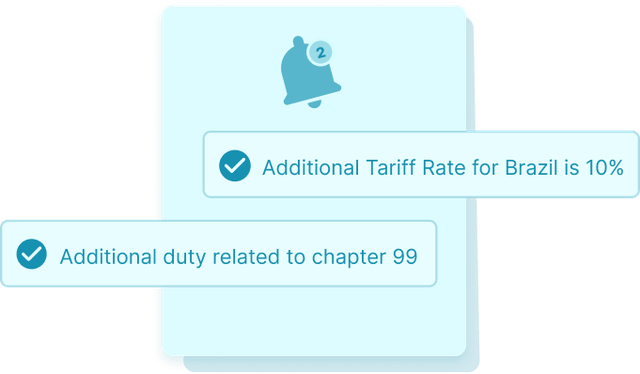
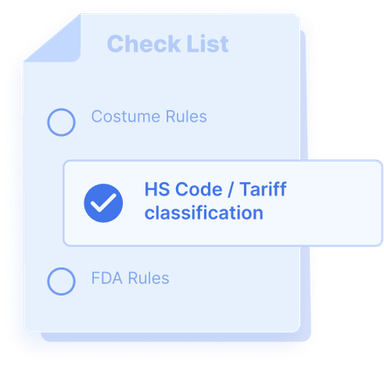
Import Requirements
Crackers
Import Data
Crackers


AI Insight
Plastic Bucket under HS Code 3924-24 shows growing demand in 12 emerging markets with favorable duty rates and limited competition. Our AI has identified key compliance requirements, optimal sourcing regions, and upcoming tariff changes that could impact your margins. See the complete analysis to discover specific opportunities.










Market
Opportunities
Top 5 Partners by Quantity
 United States
 Australia
 India
India Canada


Crackers HS Code description
Crackers harmonized system code
Product Overview Crackers classified under HS Code 190590 refer to baked snack products primarily composed of cereal flours, including wheat, rye, or corn, often combined with additives such as salt, sugar, leavening agents, and flavor enhancers. These products are characterized by their dry, crisp texture and uniform rectangular or circular shapes, typically measuring between 30 to 70 millimeters in diameter or length. Processing involves controlled baking and drying to achieve low moisture content, generally below 5%, ensuring extended shelf life and resistance to microbial spoilage. The classification under 190590 encompasses various subcategories including plain crackers, flavored variants, and those fortified with vitamins or minerals. Commercially, these crackers are widely utilized in food service sectors as accompaniments or bases for toppings, retailed as packaged consumer snacks, and incorporated into processed food products such as ready-to-eat meals. Their value proposition lies in convenience, long shelf stability, and versatility, catering to diverse culinary applications and consumer preferences in global markets. HS Code Classification & Trade Specifications The HS Code 190590 is structured as follows: Chapter 19 (Preparations of cereals, flour, starch or milk; pastrycooks’ products), Heading 1905 (Bread, pastry, cakes, biscuits and other bakers’ wares), and Subheading 190590 (Other — specifically covering crackers and similar products). This classification is based on the product’s composition, processing method, and intended use, distinguishing crackers from other bakery products by their specific formulation and baking process. Standard trade packaging typically involves multilayered, moisture-resistant materials such as metallized films or laminated plastics to maintain product integrity, with net weights commonly ranging from 100 to 500 grams per package. Preservation methods focus on low moisture content and oxygen barrier packaging to prevent staling and microbial growth. Shipping conditions require protection from humidity and mechanical damage, often utilizing palletization and climate-controlled containers for extended transit durations. Compliance with international quality standards such as Codex Alimentarius and ISO 22000 ensures product safety and traceability, supporting WTO trade regulations and facilitating customs clearance in import/export operations.
Crackers Chapter Note
1.- This Chapter does not cover : (a) Except in the case of stuffed products of heading 19.02, food preparations containing more than 20 % by weight of sausage, meat, meat offal, blood, insects, fish or crustaceans, molluscs or other aquatic invertebrates, or any combination thereof (Chapter 16); (b) Biscuits or other articles made from flour or from starch, specially prepared for use in animal feeding (heading 23.09); or (c) Medicaments or other products of Chapter 30. 2.- For the purposes of heading 19.01 : (a) The term “groats” means cereal groats of Chapter 11; (b) The terms “flour” and “meal” mean : (1) Cereal flour and meal of Chapter 11, and (2) Flour, meal and powder of vegetable origin of any Chapter, other than flour, meal or powder of dried vegetables (heading 07.12), of potatoes (heading 11.05) or of dried leguminous vegetables (heading 11.06). 3.- Heading 19.04 does not cover preparations containing more than 6 % by weight of cocoa calculated on a totally defatted basis or completely coated with chocolate or other food preparations containing cocoa of heading 18.06 (heading 18.06). 4.- For the purposes of heading 19.04, the expression “otherwise prepared” means prepared or processed to an extent beyond that provided for in the headings of or Notes to Chapter 10 or 11.