


Ethyl alcohol|HS Code
Ethyl Alcohol belong to HS heading 2207, but the exact 6-digit code depends on your product specifications. Let our AI tool analyze your product details and provide the precise HS code and tariff information.
Ethyl Alcohol HS Codes
Ethyl alcohol and other spirits, denatured, of any strength
Undenatured ethyl alcohol of an alcoholic strength by volume of 80 percent vol. or higher

DeepBeez

Founded in 2025
Tariff Tracker
Ethyl alcohol
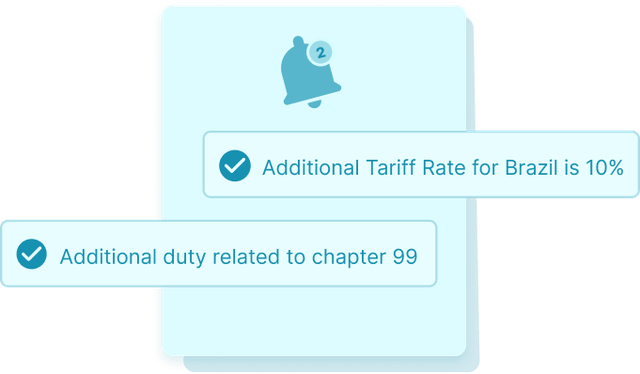
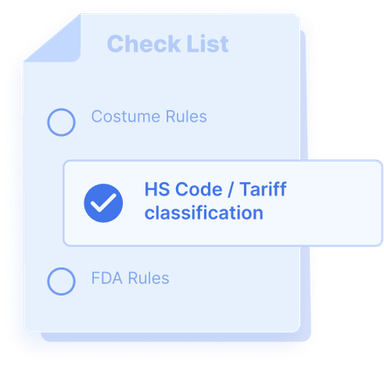
Import Requirements
Ethyl alcohol

Import Data
Ethyl alcohol


AI Insight
Plastic Bucket under HS Code 3924-24 shows growing demand in 12 emerging markets with favorable duty rates and limited competition. Our AI has identified key compliance requirements, optimal sourcing regions, and upcoming tariff changes that could impact your margins. See the complete analysis to discover specific opportunities.










Market
Opportunities
Top 5 Partners by Quantity
 United States
 Australia
 India
India Canada


Ethyl alcohol HS Code description
Ethyl alcohol harmonized system code
Product Overview Ethyl Alcohol, also known as ethanol, under the HS Code 2207, is a colorless, volatile, flammable liquid with a characteristic odor. It is produced through the fermentation of sugars by yeast or via petrochemical processes such as ethylene hydration. The product under HS Code 2207 is denatured, meaning it has been made unfit for consumption due to the addition of denaturants. This category includes several subcategories, such as undenatured ethyl alcohol of an alcoholic strength by volume of 80% vol or higher, and denatured of any strength. Ethyl Alcohol finds extensive commercial applications in various sectors including food service, for its use in the production of alcoholic beverages, pharmaceutical for its use in sanitizers and disinfectants, and fuel industries as it is an active component in biofuels. Its competitive advantages lie in its versatility, affordability, and its renewable nature, contributing to its strong market positioning. HS Code Classification & Trade Specifications The HS Code 2207 is a 6-digit code falling under Chapter 22 (Beverages, Spirits, and Vinegar), Heading 07 (Undenatured ethyl alcohol of an alcoholic strength by volume of 80% vol or higher; ethyl alcohol and other spirits, denatured, of any strength). Ethyl Alcohol is classified under this code due to its primary composition and intended usage. When it comes to trade considerations, Ethyl Alcohol is usually packaged in approved containers that conform to stringent safety standards due to its flammable nature. Its preservation requires it to be stored in a cool, well-ventilated area away from ignition sources. Shipping requirements demand the adherence to regulations set by the International Air Transport Association (IATA) for air transport and the International Maritime Dangerous Goods (IMDG) code for sea transport. The quality of Ethyl Alcohol is determined by the concentration of ethanol, its purity, and the absence of contaminants, ensuring compliance with World Trade Organization and customs documentation standards.
Ethyl alcohol Chapter Note
1.- This Chapter does not cover : (a) Products of this Chapter (other than those of heading 22.09) prepared for culinary purposes and thereby rendered unsuitable for consumption as beverages (generally heading 21.03); (b) Sea water (heading 25.01); (c) Distilled or conductivity water or water of similar purity (heading 28.53); (d) Acetic acid of a concentration exceeding 10 % by weight of acetic acid (heading 29.15); (e) Medicaments of heading 30.03 or 30.04; or (f) Perfumery or toilet preparations (Chapter 33). 2.- For the purposes of this Chapter and of Chapters 20 and 21, the “alcoholic strength by volume” shall be determined at a temperature of 20 C. 3.- For the purposes of heading 22.02, the term “non-alcoholic beverages” means beverages of an alcoholic strength by volume not exceeding 0.5 % vol. Alcoholic beverages are classified in headings 22.03 to 22.06 or heading 22.08 as appropriate.