


Folding table|HS Code
Folding Table belong to HS heading 9403, but the exact 6-digit code depends on your product specifications. Let our AI tool analyze your product details and provide the precise HS code and tariff information.
Folding Table HS Codes
Furniture of other materials, including cane, osier, bamboo or similar materials Of rattan
Wooden furniture of a kind used in the bedroom
Other wooden furniture
Furniture of other materials, including cane, osier, bamboo or similar materials Of bamboo
Parts Of wood
Furniture of plastics
Wooden furniture of a kind used in the kitchen
Wooden furniture of a kind used in offices
Furniture of other materials, including cane, osier, bamboo or similar materials Other than Of bamboo and Of rattan
Parts Other than Of wood
Metal furniture of a kind used in offices
Other metal furniture

DeepBeez

Founded in 2025
Tariff Tracker
Folding table
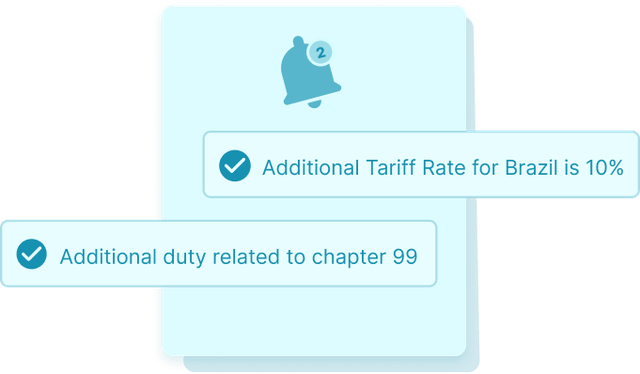
Import Requirements
Folding table
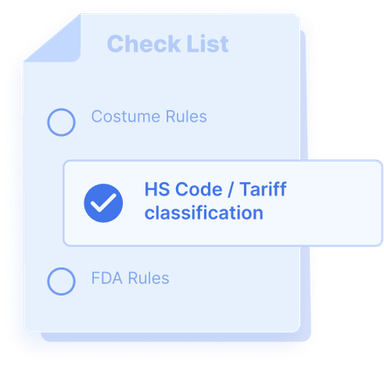
Import Data
Folding table


AI Insight
Plastic Bucket under HS Code 3924-24 shows growing demand in 12 emerging markets with favorable duty rates and limited competition. Our AI has identified key compliance requirements, optimal sourcing regions, and upcoming tariff changes that could impact your margins. See the complete analysis to discover specific opportunities.










Market
Opportunities
Top 5 Partners by Quantity
 United States
 Australia
 India
India Canada


Folding table HS Code description
Folding table harmonized system code
Product Overview A Folding Table under HS Code 9403 pertains to a versatile piece of furniture designed with a flat surface and legs, which can be folded for ease of transport and storage. It is meticulously crafted from high-quality materials, such as steel, plastic, or wood, to ensure durability and longevity. It's a part of the broader category of 'Other furniture and parts thereof,' under the HS Code 9403. This product range offers a variety of subcategories, including metal, wooden and plastic folding tables, to cater to diverse commercial needs. Exhibiting a robust structure and a compact design, this folding table can be widely adopted in foodservice, retail, and processing industries for diverse applications, from dining spaces to merchandise display. Its market positioning is characterized by its high utility factor, portability, space-saving feature, and a competitive price point that makes it an attractive choice for businesses seeking cost-effective furnishing solutions. HS Code Classification & Trade Specifications The Folding Table falls under the HS Code 9403.60, with the hierarchical breakdown as follows - Chapter 94: Furniture; Bedding, Mattresses, Mattress Supports, Cushions and Similar Stuffed Furnishings; Lamps and Lighting Fittings, Not Elsewhere Specified or Included; Illuminated Signs, Illuminated Name-plates and the Like; Prefabricated Buildings, Heading 03: Other furniture and parts thereof, Subheading 60: Other metal furniture. The table is classified under this specific code due to its functional and structural characteristics aligning with the stipulated definition of the items covered by the code. In terms of trade, the tables are generally packed flat to maximize space and minimize shipping costs, with the packaging materials complying with international safety and preservation standards. The product abides by stringent quality standards, with specific measures such as load-bearing capacity, folding mechanism efficiency, and material durability, ensuring its fitness for purpose. It is paramount that all documentation aligns with WTO and customs standards to facilitate seamless international trade.
Folding table Chapter Note
1.- This Chapter does not cover : (a) Pneumatic or water mattresses, pillows or cushions, of Chapter 39, 40 or 63; (b) Mirrors designed for placing on the floor or ground (for example, cheval-glasses (swing-mirrors)) of heading 70.09; (c) Articles of Chapter 71; (d) Parts of general use as defined in Note 2 to Section XV, of base metal (Section XV), or similar goods of plastics (Chapter 39), or safes of heading 83.03; (e) Furniture specially designed as parts of refrigerating or freezing equipment of heading 84.18; furniture specially designed for sewing machines (heading 84.52); (f) Lamps or light sources and parts thereof of Chapter 85; (g) Furniture specially designed as parts of apparatus of heading 85.18 (heading 85.18), of headings 85.19 or 85.21 (heading 85.22) or of headings 85.25 to 85.28 (heading 85.29); (h) Articles of heading 87.14; (ij) Dentists' chairs incorporating dental appliances of heading 90.18 or dentists' spittoons (heading 90.18); (k) Articles of Chapter 91 (for example, clocks and clock cases); (l) Toy furniture or toy luminaires and lighting fittings (heading 95.03), billiard tables or other furniture specially constructed for games (heading 95.04), furniture for conjuring tricks or decorations (other than lighting strings) such as Chinese lanterns (heading 95.05); or (m) Monopods, bipods, tripods and similar articles (heading 96.20). 2.- The articles (other than parts) referred to in headings 94.01 to 94.03 are to be classified in those headings only if they are designed for placing on the floor or ground. The following are, however, to be classified in the above-mentioned headings even if they are designed to be hung, to be fixed to the wall or to stand one on the other : (a) Cupboards, bookcases, other shelved furniture (including single shelves presented with supports for fixing them to the wall) and unit furniture; (b) Seats and beds. 3.- (A) In headings 94.01 to 94.03 references to parts of goods do not include references to sheets or slabs (whether or not cut to shape but not combined with other parts) of glass (including mirrors), marble or other stone or of any other material referred to in Chapter 68 or 69. (B) Goods described in heading 94.04, presented separately, are not to be classified in heading 94.01, 94.02 or 94.03 as parts of goods.4.- For the purposes of heading 94.06, the expression “prefabricated buildings” means buildings which are finished in the factory or put up as elements, presented together, to be assembled on site, such as housing or worksite accommodation, offices, schools, shops, sheds, garages or similar buildings. Prefabricated buildings include "modular building units" of steel, normally presented in the size and shape of a standard shipping container, but substantially or completely pre-fitted internally. Such modular building units are normally designed to be assembled together to form permanent buildings.