


Frozen shrimp Hs Code
HS Code: 0306.17
frozen shrimp classified under HS code 0306.17
Chapter
03Fish and crustaceans, molluscs and other aquatic invertebrates
Heading
0306Crustaceans, whether in shell or not, live, fresh, chilled, frozen, dried, salted or in brine , Smoked crustaceans, whether in shell or not, whether or not cooked before or during the smoking process , Crustaceans, in shell, cooked by steaming or by boiling in water, whether or not chilled, frozen, dried, salted or in brine
Sub Heading
0306.17Frozen other shrimps and prawns

DeepBeez

Founded in 2025
Tariff Tracker
Frozen shrimp
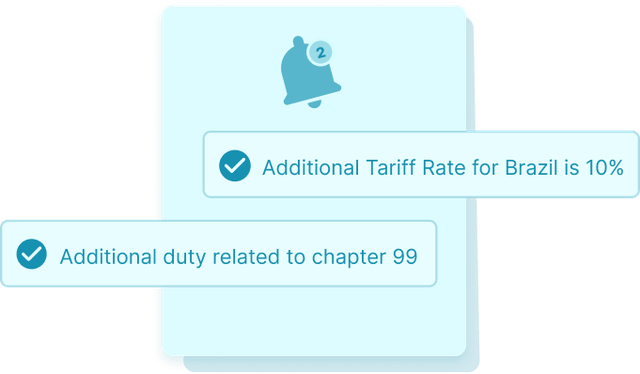
Import Requirements
Frozen shrimp
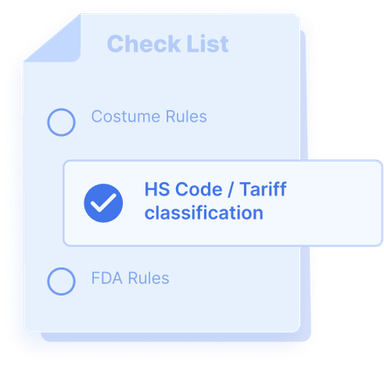

Import Data
Frozen shrimp


AI Insight
Plastic Bucket under HS Code 3924-24 shows growing demand in 12 emerging markets with favorable duty rates and limited competition. Our AI has identified key compliance requirements, optimal sourcing regions, and upcoming tariff changes that could impact your margins. See the complete analysis to discover specific opportunities.










Market
Opportunities
Top 5 Partners by Quantity
 United States
 Australia
 India
India Canada


Frozen shrimp HS Code description
Frozen shrimp harmonized system code
Product Overview Frozen shrimp classified under HS Code 030617 refers to shrimp that have been harvested, cleaned, and rapidly frozen to preserve freshness and quality for extended shelf life in international trade. These products typically include various species of penaeid shrimp and prawns, processed to different levels such as head-on, headless, peeled, deveined, or tail-on presentations. Physical specifications commonly range from small (e.g., 51-60 shrimp per kilogram) to extra-large sizes (e.g., 10-15 shrimp per kilogram), with moisture content controlled to not exceed 8% to maintain texture integrity. The product is characterized by its firm meat, uniform freezing, and absence of visible ice glaze exceeding 5%, aligning with international quality parameters. Subcategories within HS Code 030617 distinguish shrimp by presentation—headless or with head, peeled or unpeeled, cooked or raw—allowing precise tariff classification. Commercially, frozen shrimp serve diverse applications including foodservice establishments, retail frozen seafood outlets, and further processing into value-added products such as breaded shrimp or seafood mixes. Their global demand is driven by consistent supply, traceability, and compliance with food safety standards, positioning them as a reliable commodity in seafood trade. HS Code Classification & Trade Specifications The HS Code 030617 falls under Chapter 03 (Fish and Crustaceans, Mollusks and Other Aquatic Invertebrates), Heading 0306 (Crustaceans, whether in shell or not, live, fresh, chilled, frozen, dried, salted or in brine), and specifically Subheading 030617 which identifies frozen shrimp and prawns. This classification is based on the product’s frozen state and species group, consistent with the Harmonized System nomenclature maintained by the World Customs Organization (WCO). Trade compliance requires adherence to standardized packaging practices, typically utilizing vacuum-sealed polyethylene bags or multi-layer cartons to prevent moisture loss and contamination during transit. Preservation is primarily achieved through blast freezing at temperatures below -18°C, ensuring microbial safety and quality retention throughout shipping. Shipping containers must comply with cold chain logistics standards, maintaining temperature control within ±2°C. Quality standards align with Codex Alimentarius and importing country regulations, including limits on histamine levels, absence of pathogens, and conformity with Maximum Residue Limits (MRLs) for chemical contaminants. Documentation for customs clearance must detail species, net weight, freezing date, and processing method to facilitate accurate tariff application and expedite border inspections.
Frozen shrimp Chapter Note
1.- This Chapter does not cover : (a) Mammals of heading 01.06; (b) Meat of mammals of heading 01.06 (heading 02.08 or 02.10); (c) Fish (including livers, roes and milt thereof) or crustaceans, molluscs or other aquatic invertebrates, dead and unfit or unsuitable for human consumption by reason of either their species or their condition (Chapter 5); flours, meals or pellets of fish or of crustaceans, molluscs or other aquatic invertebrates, unfit for human consumption (heading 23.01); or (d) Caviar or caviar substitutes prepared from fish eggs (heading 16.04). 2.- In this Chapter the term “pellets” means products which have been agglomerated either directly by compression or by the addition of a small quantity of binder. 3.- Headings 03.05 to 03.08 do not cover flours, meals and pellets, fit for human consumption (heading 03.09).