


Gaming chair Hs Code
HS Code: 9401.39
gaming chair classified under HS code 9401.39
Chapter
94Furniture , Bedding, mattresses, mattress supports, cushions and similar stuffed furnishings , Lamps and lighting fittings, n.e.c. , Illuminated signs, illuminated name-plates and the like , Prefabricated buildings
Heading
9401Seats (other than those of heading 9402), whether or not convertible into beds, and parts thereof
Sub Heading
9401.39Swivel seats with variable height adjustment other than of wood

DeepBeez

Founded in 2025
Tariff Tracker
Gaming chair
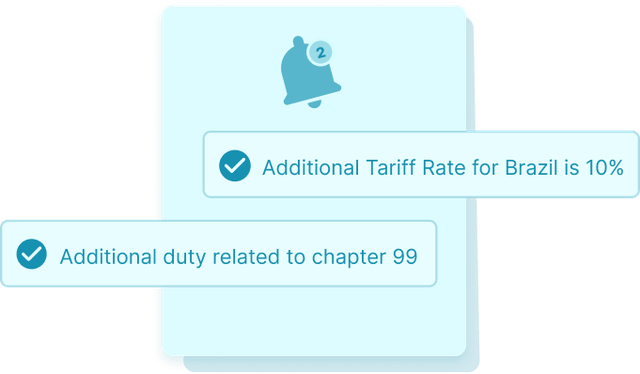
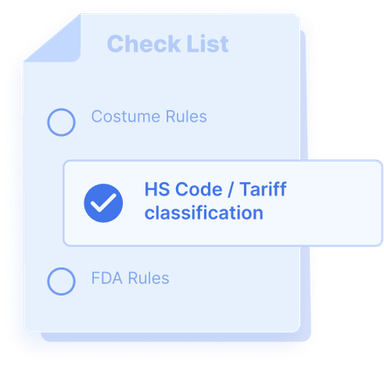
Import Requirements
Gaming chair
Import Data
Gaming chair


AI Insight
Plastic Bucket under HS Code 3924-24 shows growing demand in 12 emerging markets with favorable duty rates and limited competition. Our AI has identified key compliance requirements, optimal sourcing regions, and upcoming tariff changes that could impact your margins. See the complete analysis to discover specific opportunities.










Market
Opportunities
Top 5 Partners by Quantity
 United States
 Australia
 India
India Canada


Gaming chair HS Code description
Gaming chair harmonized system code
Product Overview The gaming chair classified under HS Code 940139 is a specialized seating apparatus designed primarily for ergonomic support and comfort during extended computer gaming sessions. This product typically features adjustable components including lumbar support, reclining backrests, height-adjustable armrests, and swivel bases, constructed from high-density foam padding, durable synthetic leather or mesh fabric upholstery, and reinforced steel or aluminum frames. The chair is manufactured through advanced assembly processes incorporating precision machining and quality control measures to ensure durability, stability, and user safety. Within HS Code 940139, gaming chairs fall under the broader category of seats with wooden or metal frames, including office, desk, and other specialized seating furniture. These chairs are predominantly utilized in commercial and residential gaming environments but also find applications in e-sports arenas, internet cafes, and professional workstations where extended seating comfort is critical. The product’s market positioning hinges on ergonomic design, material resilience, and compliance with international safety standards, thereby offering a competitive advantage in both domestic and international markets. HS Code Classification & Trade Specifications The gaming chair is classified under HS Code 940139, which corresponds to Chapter 94 (Furniture; bedding, mattresses, mattress supports, cushions and similar stuffed furnishings), Heading 9401 (Seats (other than those of heading 9402), whether or not convertible into beds, and parts thereof), Subheading 940139 (Seats with metal frames). This classification is based on the chair’s structural composition—primarily metal framing combined with upholstered seating elements—distinguishing it from wooden-framed or plastic seating furniture. Trade professionals must note packaging requirements typically involve disassembled components secured within reinforced cartons or crates to optimize shipping efficiency and prevent damage during transit. Preservation methods may include anti-corrosion treatments for metal parts and moisture-resistant wrapping to maintain product integrity. Quality standards adhere to ISO 7173 (Furniture—Test methods for strength and durability) and relevant ASTM or EN safety certifications to ensure compliance with WTO and customs regulations. Documentation should accurately reflect the product’s material composition, dimensions (commonly ranging from 120-140 cm in height, 60-70 cm in width), and gross weight (approximately 15-25 kg), facilitating streamlined customs clearance and tariff application.
Gaming chair Chapter Note
1.- This Chapter does not cover : (a) Pneumatic or water mattresses, pillows or cushions, of Chapter 39, 40 or 63; (b) Mirrors designed for placing on the floor or ground (for example, cheval-glasses (swing-mirrors)) of heading 70.09; (c) Articles of Chapter 71; (d) Parts of general use as defined in Note 2 to Section XV, of base metal (Section XV), or similar goods of plastics (Chapter 39), or safes of heading 83.03; (e) Furniture specially designed as parts of refrigerating or freezing equipment of heading 84.18; furniture specially designed for sewing machines (heading 84.52); (f) Lamps or light sources and parts thereof of Chapter 85; (g) Furniture specially designed as parts of apparatus of heading 85.18 (heading 85.18), of headings 85.19 or 85.21 (heading 85.22) or of headings 85.25 to 85.28 (heading 85.29); (h) Articles of heading 87.14; (ij) Dentists' chairs incorporating dental appliances of heading 90.18 or dentists' spittoons (heading 90.18); (k) Articles of Chapter 91 (for example, clocks and clock cases); (l) Toy furniture or toy luminaires and lighting fittings (heading 95.03), billiard tables or other furniture specially constructed for games (heading 95.04), furniture for conjuring tricks or decorations (other than lighting strings) such as Chinese lanterns (heading 95.05); or (m) Monopods, bipods, tripods and similar articles (heading 96.20). 2.- The articles (other than parts) referred to in headings 94.01 to 94.03 are to be classified in those headings only if they are designed for placing on the floor or ground. The following are, however, to be classified in the above-mentioned headings even if they are designed to be hung, to be fixed to the wall or to stand one on the other : (a) Cupboards, bookcases, other shelved furniture (including single shelves presented with supports for fixing them to the wall) and unit furniture; (b) Seats and beds. 3.- (A) In headings 94.01 to 94.03 references to parts of goods do not include references to sheets or slabs (whether or not cut to shape but not combined with other parts) of glass (including mirrors), marble or other stone or of any other material referred to in Chapter 68 or 69. (B) Goods described in heading 94.04, presented separately, are not to be classified in heading 94.01, 94.02 or 94.03 as parts of goods.4.- For the purposes of heading 94.06, the expression “prefabricated buildings” means buildings which are finished in the factory or put up as elements, presented together, to be assembled on site, such as housing or worksite accommodation, offices, schools, shops, sheds, garages or similar buildings. Prefabricated buildings include "modular building units" of steel, normally presented in the size and shape of a standard shipping container, but substantially or completely pre-fitted internally. Such modular building units are normally designed to be assembled together to form permanent buildings.