


Herbal extracts|HS Code
Herbal Extracts belong to HS heading 1302, but the exact 6-digit code depends on your product specifications. Let our AI tool analyze your product details and provide the precise HS code and tariff information.
Herbal Extracts HS Codes
Mucilages and thickeners, whether or not modified, derived from vegetable products Agar-agar
Vegetable saps and extracts Of licorice
Vegetable saps and extracts Of hops
Vegetable saps and extracts Opium
Vegetable saps and extracts Other than Opium, Of licorice, Of hops, and Of ephedra
Mucilages and thickeners, whether or not modified, derived from vegetable products Mucilages and thickeners, whether or not modified, derived from locust beans, locust bean seeds or guar seeds
Vegetable saps and extracts Of ephedra
Mucilages and thickeners, whether or not modified, derived from vegetable products Other than Agar-agar and Mucilages and thickeners, whether or not modified, derived from locust beans, locust bean seeds or guar seeds
Pectic substances, pectinates and pectates
DeepBeez

Founded in 2025
Tariff Tracker
Herbal extracts
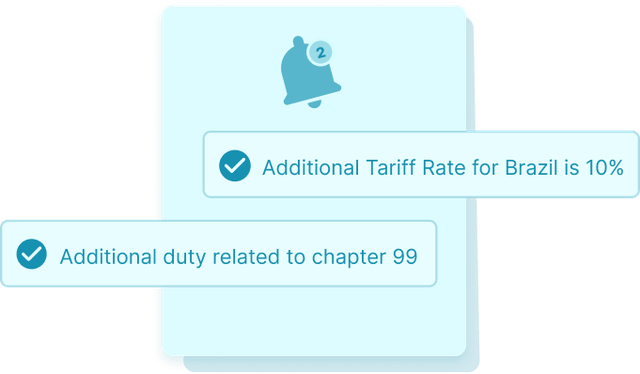
Import Requirements
Herbal extracts
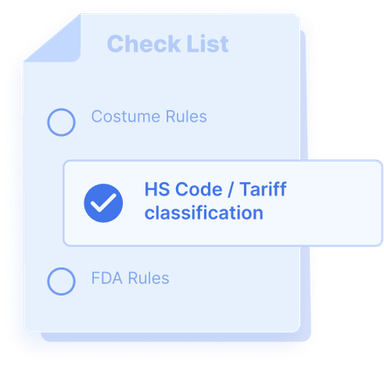
Import Data
Herbal extracts


AI Insight
Plastic Bucket under HS Code 3924-24 shows growing demand in 12 emerging markets with favorable duty rates and limited competition. Our AI has identified key compliance requirements, optimal sourcing regions, and upcoming tariff changes that could impact your margins. See the complete analysis to discover specific opportunities.









Market
Opportunities
Top 5 Partners by Quantity
 United States
 Australia
 India
India Canada


Herbal extracts HS Code description
Herbal extracts harmonized system code
Product Overview Herbal Extracts under HS Code 1302 refer to the vegetable saps and extracts primarily derived from various parts of plants, including leaves, stems, roots, and flowers. These extracts are typically obtained through processing methods such as distillation, cold pressing, or maceration. Key characteristics of these extracts include their physical state (powdered or liquid), concentration levels, and purity attributes such as the absence of harmful chemical residues. Subcategories within HS Code 1302 include extracts used for dyeing and tanning, and other vegetable saps and extracts. Commercially, these extracts find extensive use in the food service and retail sector as flavorings, in the pharmaceutical industry as core ingredients for natural remedies, and in the cosmetic industry as essential oils. Their market positioning is centered around their natural origin, versatility in various industries, and the rising consumer demand for plant-based products. HS Code Classification & Trade Specifications The full 6-digit HS Code for Herbal Extracts is 1302.19, with the hierarchical breakdown being: Chapter 13 (Lac; Gums, Resins and Other Vegetable Saps and Extracts), Heading 02 (Vegetable Saps and Extracts). This product is classified under this code due to its vegetable-based origin and its extraction process. When it comes to international trade, these extracts are usually packaged in well-sealed containers to maintain their integrity and prevent contamination. For liquid extracts, preservation methods include refrigeration or storage in dark, cool places. Shipping requirements often entail compliance with regulations regarding the safe transport of bio-based materials. Quality standards for these extracts include specifications on their chemical composition, sensory properties (color, odor), and microbiological criteria. These standards align with the World Trade Organization's guidelines and are critical in ensuring compliance with customs documentation standards. It's vital to note that these trade specifications may vary based on the specific type of herbal extract and its intended use.
Herbal extracts Chapter Note
1.- Heading 13.02 applies, inter alia, to liquorice extract and extract of pyrethrum, extract of hops, extract of aloes and opium. The heading does not apply to : (a) Liquorice extract containing more than 10 % by weight of sucrose or put up as confectionery (heading 17.04); (b) Malt extract (heading 19.01); (c) Extracts of coffee, tea or maté (heading 21.01); (d) Vegetable saps or extracts constituting alcoholic beverages (Chapter 22); (e) Camphor, glycyrrhizin or other products of heading 29.14 or 29.38; (f) Concentrates of poppy straw containing not less than 50 % by weight of alkaloids (heading 29.39); (g) Medicaments of heading 30.03 or 30.04 or blood-grouping reagents (heading 38.22); (h) Tanning or dyeing extracts (heading 32.01 or 32.03); (ij) Essential oils, concretes, absolutes, resinoids, extracted oleoresins, aqueous distillates or aqueous solutions of essential oils or preparations based on odoriferous substances of a kind used for the manufacture of beverages (Chapter 33); or (k) Natural rubber, balata, gutta-percha, guayule, chicle or similar natural gums (heading 40.01).