


Iced tea Hs Code
HS Code: 2202.10
iced tea classified under HS code 2202.10
Chapter
22Beverages, spirits and vinegar
Heading
2202Waters, including mineral waters and aerated waters, containing added sugar or other sweetening matter or flavored, and other non-alcoholic beverages, not including fruit, nut or vegetable juices of heading 2009
Sub Heading
2202.10Waters, including mineral waters and aerated waters, containing added sugar or other sweetening matter or flavored

DeepBeez

Founded in 2025
Tariff Tracker
Iced tea
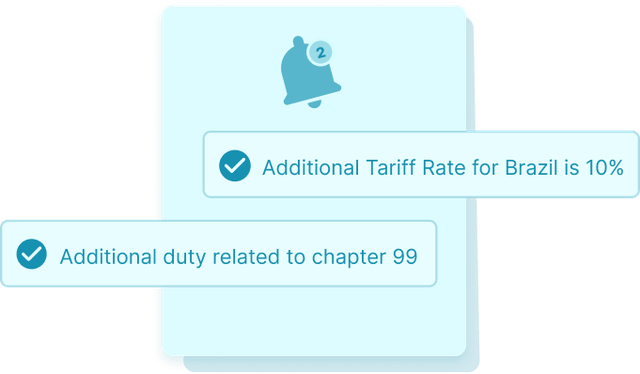
Import Requirements
Iced tea
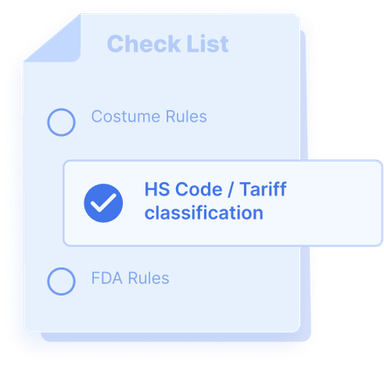

Import Data
Iced tea


AI Insight
Plastic Bucket under HS Code 3924-24 shows growing demand in 12 emerging markets with favorable duty rates and limited competition. Our AI has identified key compliance requirements, optimal sourcing regions, and upcoming tariff changes that could impact your margins. See the complete analysis to discover specific opportunities.










Market
Opportunities
Top 5 Partners by Quantity
 United States
 Australia
 India
India Canada


Iced tea HS Code description
Iced tea harmonized system code
Product Overview Iced tea, classified under HS Code 220210, is a non-alcoholic, ready-to-drink beverage primarily composed of brewed tea leaves blended with water, and subsequently chilled or served cold. This product category encompasses both sweetened and unsweetened variants, with possible additions of natural or artificial flavorings, and preservatives compliant with food safety regulations. Physically, iced tea exhibits a liquid state at ambient temperature, with color ranging from pale amber to dark brown depending on the tea variety and concentration. Processing involves extraction of tea solids via infusion or decoction, followed by filtration, pasteurization or sterilization to ensure microbiological stability and shelf life, typically maintaining tea solids content between 0.1% to 0.5% by weight. Subcategories within HS Code 220210 include green tea iced beverages, black tea-based iced drinks, and flavored iced teas, differentiated by tea type and formulation. Commercial applications span retail sale in bottles or cartons, food service distribution for immediate consumption, and incorporation as an ingredient in beverage mixes. The product's value proposition lies in its convenience, standardized quality, and compliance with international beverage safety standards, positioning it competitively in global markets demanding consistent, ready-to-consume tea products. HS Code Classification & Trade Specifications The HS Code 220210 classifies iced tea within Chapter 22 (Beverages, spirits and vinegar), under Heading 2202 (Waters, including mineral waters and aerated waters, containing added sugar or other sweetening matter or flavored), with Subheading 220210 specifically designating “Waters, including mineral waters and aerated waters, containing added sugar or other sweetening matter or flavored, not elsewhere specified or included,” which encompasses iced tea products. This classification is based on the product’s composition as a flavored, non-alcoholic water-based beverage with added sweeteners or flavor agents derived from tea infusion. Trade considerations include packaging in hermetically sealed containers such as PET bottles, Tetra Pak cartons, or glass bottles, designed to maintain product integrity and shelf life typically ranging from 6 to 12 months under ambient conditions. Preservation methods rely on pasteurization or ultra-high temperature (UHT) treatment to inhibit microbial growth without compromising organoleptic properties. Shipping protocols necessitate temperature-controlled logistics in some cases to prevent spoilage and maintain quality standards compliant with Codex Alimentarius and WTO SPS agreements. Quality standards mandate adherence to maximum residue limits for pesticides, controlled levels of tea solids, and compliance with ISO 22000 food safety management systems, facilitating smooth customs clearance and regulatory compliance in international trade.
Iced tea Chapter Note
1.- This Chapter does not cover : (a) Products of this Chapter (other than those of heading 22.09) prepared for culinary purposes and thereby rendered unsuitable for consumption as beverages (generally heading 21.03); (b) Sea water (heading 25.01); (c) Distilled or conductivity water or water of similar purity (heading 28.53); (d) Acetic acid of a concentration exceeding 10 % by weight of acetic acid (heading 29.15); (e) Medicaments of heading 30.03 or 30.04; or (f) Perfumery or toilet preparations (Chapter 33). 2.- For the purposes of this Chapter and of Chapters 20 and 21, the “alcoholic strength by volume” shall be determined at a temperature of 20 C. 3.- For the purposes of heading 22.02, the term “non-alcoholic beverages” means beverages of an alcoholic strength by volume not exceeding 0.5 % vol. Alcoholic beverages are classified in headings 22.03 to 22.06 or heading 22.08 as appropriate.