


Infant formula - milk powder Hs Code
HS Code: 1901.10
Infant Formula - Milk Powder classified under HS code 1901.10
Chapter
19Preparations of cereals, flour, starch or milk , Pastrycooks' products
Heading
1901Malt extract , Food preparations of flour, groats, meal, starch or malt extract, not containing cocoa or containing less than 40 percent by weight of cocoa calculated on a totally defatted basis, not elsewhere specified or included , Food preparations of goods of headings 0401 to 0404, not containing cocoa or containing less than 5 percent by weight of cocoa calculated on a totally defatted basis, not elsewhere specified or included
Sub Heading
1901.10Preparations suitable for infants or young children, put up for retail sale

DeepBeez

Founded in 2025
Tariff Tracker
Infant formula - milk powder
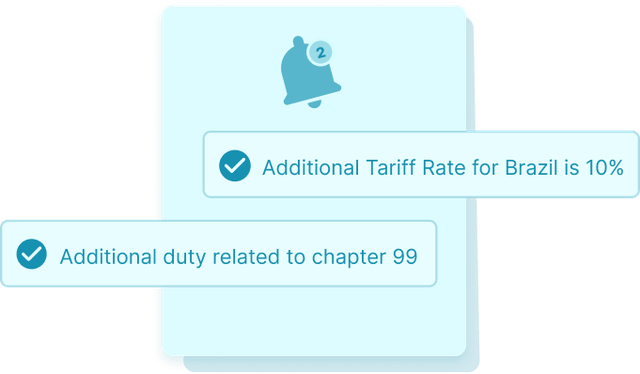
Import Requirements
Infant formula - milk powder
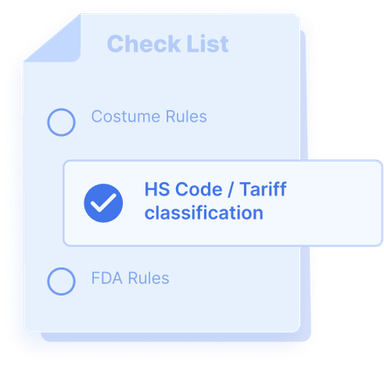

Import Data
Infant formula - milk powder


AI Insight
Plastic Bucket under HS Code 3924-24 shows growing demand in 12 emerging markets with favorable duty rates and limited competition. Our AI has identified key compliance requirements, optimal sourcing regions, and upcoming tariff changes that could impact your margins. See the complete analysis to discover specific opportunities.










Market
Opportunities
Top 5 Partners by Quantity
 United States
 Australia
 India
India Canada


Infant formula - milk powder HS Code description
Infant formula - milk powder harmonized system code
Product Overview Infant Formula - Milk Powder classified under HS Code 190110 refers to specially formulated powdered milk products designed to meet the nutritional requirements of infants from birth up to 12 months of age. This product consists primarily of processed milk solids enriched with vitamins, minerals, and other essential nutrients to support infant growth and development. Physically, it appears as a fine, free-flowing powder with controlled moisture content typically below 5%, ensuring extended shelf life and stability. The processing involves pasteurization, homogenization, and spray drying to maintain nutrient integrity and microbiological safety. HS Code 190110 encompasses various subcategories, including infant formula based on cow’s milk, goat’s milk, soy protein isolates, or hydrolyzed proteins, each formulated to address specific dietary needs or allergies. Commercially, infant formula milk powder is distributed in retail packaging for direct consumer use, supplied in bulk for institutional food services such as hospitals and childcare centers, and utilized as an ingredient in infant food manufacturing. Its market positioning is defined by stringent quality control, adherence to international infant nutrition standards, and compliance with regulatory frameworks, thus providing a reliable alternative to breast milk in infant nutrition. HS Code Classification & Trade Specifications The HS Code 190110 is categorized under Chapter 19 (Preparation of cereals, flour, starch or milk; pastrycooks’ products), Heading 1901 (Malt extract; food preparations of flour, groats, meal, starch or malt extract, not containing cocoa or containing less than 40% by weight of cocoa calculated on a totally defatted basis, not elsewhere specified or included), with Subheading 190110 specifically assigned to infant formula milk powder. This classification is based on the product’s composition as a milk-derived food preparation tailored for infant consumption, distinct from other powdered milk products. Trade considerations typically include packaging in hermetically sealed, moisture-proof containers such as multi-layered foil laminate cans or high-density polyethylene drums, designed to preserve product integrity during transit and storage. Preservation methods involve strict control of water activity and oxygen exposure to minimize microbial growth and nutrient degradation. Shipping is conducted under ambient temperature with precautions to avoid moisture ingress and contamination. Quality standards conform to Codex Alimentarius guidelines, including limits on microbial counts, nutrient content specifications (e.g., minimum protein content of 1.8 g/100 kcal), and compliance with WTO sanitary and phytosanitary measures. Documentation for customs requires precise tariff code declaration, certificate of analysis, and proof of conformity with international infant food regulations to facilitate seamless import/export transactions.
Infant formula - milk powder Chapter Note
1.- This Chapter does not cover : (a) Except in the case of stuffed products of heading 19.02, food preparations containing more than 20 % by weight of sausage, meat, meat offal, blood, insects, fish or crustaceans, molluscs or other aquatic invertebrates, or any combination thereof (Chapter 16); (b) Biscuits or other articles made from flour or from starch, specially prepared for use in animal feeding (heading 23.09); or (c) Medicaments or other products of Chapter 30. 2.- For the purposes of heading 19.01 : (a) The term “groats” means cereal groats of Chapter 11; (b) The terms “flour” and “meal” mean : (1) Cereal flour and meal of Chapter 11, and (2) Flour, meal and powder of vegetable origin of any Chapter, other than flour, meal or powder of dried vegetables (heading 07.12), of potatoes (heading 11.05) or of dried leguminous vegetables (heading 11.06). 3.- Heading 19.04 does not cover preparations containing more than 6 % by weight of cocoa calculated on a totally defatted basis or completely coated with chocolate or other food preparations containing cocoa of heading 18.06 (heading 18.06). 4.- For the purposes of heading 19.04, the expression “otherwise prepared” means prepared or processed to an extent beyond that provided for in the headings of or Notes to Chapter 10 or 11.