


Kitchen tools Hs Code
HS Code: 8210.00
kitchen tools classified under HS code 8210.00
Chapter
82Tools, implements, cutlery, spoons and forks, of base metal , Parts thereof, of base metal
Heading
8210Hand-operated mechanical appliances, weighing 10 kg or less, used in the preparation, conditioning or serving of food or drink, and base metal parts thereof
Sub Heading
8210.00
DeepBeez

Founded in 2025
Tariff Tracker
Kitchen tools
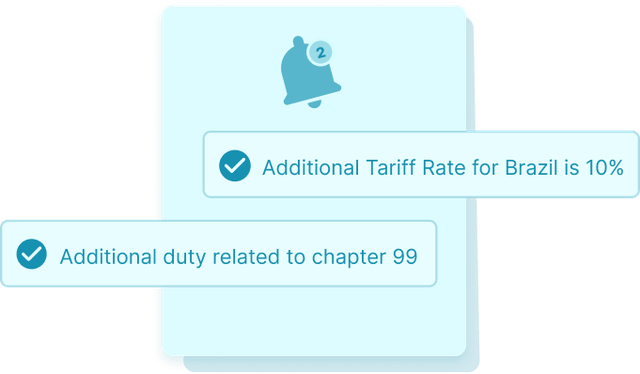
Import Requirements
Kitchen tools
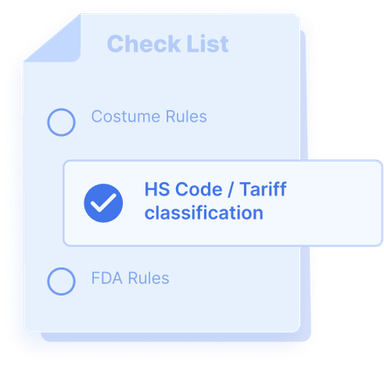

Import Data
Kitchen tools


AI Insight
Plastic Bucket under HS Code 3924-24 shows growing demand in 12 emerging markets with favorable duty rates and limited competition. Our AI has identified key compliance requirements, optimal sourcing regions, and upcoming tariff changes that could impact your margins. See the complete analysis to discover specific opportunities.










Market
Opportunities
Top 5 Partners by Quantity
 United States
 Australia
 India
India Canada


Kitchen tools HS Code description
Kitchen tools harmonized system code
Product Overview Kitchen tools classified under HS Code 821000 encompass a range of hand-operated implements primarily designed for cutting, chopping, paring, and similar culinary tasks. These tools are typically fabricated from stainless steel or carbon steel blades combined with handles made from wood, plastic, or composite materials, ensuring durability and hygiene compliance. The product category includes knives, forks, spoons, ladles, spatulas, peelers, and other cutting or slicing utensils used in commercial kitchens, food processing plants, and retail food establishments. Key physical specifications include blade length (ranging from 50 mm to 300 mm), handle ergonomics for extended use, and corrosion-resistant finishes to withstand frequent sanitation. Processing levels vary from forged to stamped blades, with quality attributes such as blade hardness (HRC 55-60), edge retention, and balance crucial for professional applications. Subcategories within HS Code 821000 are systematically divided into cutting implements (e.g., kitchen knives), eating utensils (e.g., forks, spoons), and specialized tools (e.g., peelers and graters). These products serve essential roles in food preparation, cooking, and serving, positioning them as indispensable assets in food service, hospitality, and retail sectors. Their competitive advantages lie in compliance with international hygiene standards, material robustness, and adaptability to diverse culinary environments. HS Code Classification & Trade Specifications The HS Code 821000 is structured hierarchically as follows: Chapter 82 (Tools, implements, cutlery, spoons and forks, of base metal), Heading 8210 (Knives with cutting blades, serrated or not, and blades therefor; side arms), and Subheading 821000 specifically designates kitchen or table cutlery and similar household articles. The classification rationale is based on the product’s primary function as hand-operated cutting or eating utensils composed predominantly of base metals, fitting the WTO Harmonized System definitions. Trade considerations for these products include packaging in moisture-resistant, impact-protective materials such as blister packs or molded trays, often enclosed within export-grade cartons to prevent corrosion and mechanical damage during transit. Preservation methods focus on anti-corrosive coatings and desiccants to maintain blade integrity over long shipping durations. Shipping requirements mandate compliance with international customs regulations, including accurate product descriptions, country of origin labeling, and adherence to safety standards such as FDA and EU food contact materials directives. Quality standards typically referenced are ISO 8442 (cutlery and table or kitchen utensils) and EN 1810 for food safety, ensuring measurable attributes like blade hardness, tensile strength, and hygienic design meet global trade compliance. This classification supports efficient customs clearance, tariff determination, and facilitates seamless international trade operations.
Kitchen tools Chapter Note
1.- Apart from blow lamps, portable forges, grinding wheels with frameworks, manicure or pedicure sets, and goods of heading 82.09, this Chapter covers only articles with a blade, working edge, working surface or other working part of : (a) Base metal; (b) Metal carbides or cermets; (c) Precious or semi-precious stones (natural, synthetic or reconstructed) on a support of base metal, metal carbide or cermet; or (d) Abrasive materials on a support of base metal, provided that the articles have cutting teeth, flutes, grooves, or the like, of base metal, which retain their identity and function after the application of the abrasive. 2.- Parts of base metal of the articles of this Chapter are to be classified with the articles of which they are parts, except parts separately specified as such and tool-holders for hand tools (heading 84.66). However, parts of general use as defined in Note 2 to Section XV are in all cases excluded from this Chapter. Heads, blades and cutting plates for electric shavers or electric hair clippers are to be classified in heading 85.10. 3.- Sets consisting of one or more knives of heading 82.11 and at least an equal number of articles of heading 82.15 are to be classified in heading 82.15.