


Lab dip Hs Code
HS Code: 6307.90
lab dip classified under HS code 6307.90
Chapter
63Textiles, made up articles , Sets , Worn clothing and worn textile articles , Rags
Heading
6307Other made up articles, including dress patterns
Sub Heading
6307.90Other than floorcloths, dishcloths, dusters and similar cleaning cloths and lifejackets and lifebelts

DeepBeez

Founded in 2025
Tariff Tracker
Lab dip
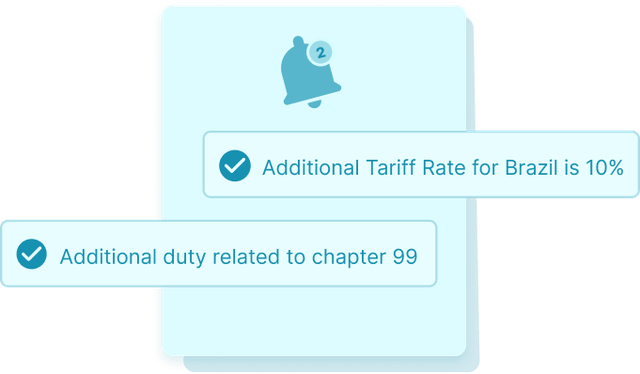
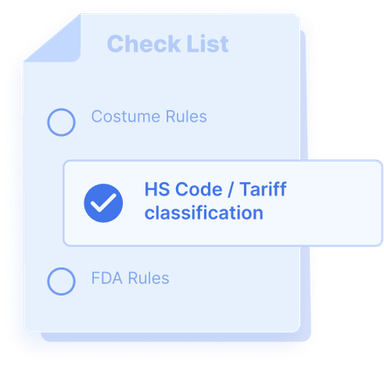
Import Requirements
Lab dip
Import Data
Lab dip


AI Insight
Plastic Bucket under HS Code 3924-24 shows growing demand in 12 emerging markets with favorable duty rates and limited competition. Our AI has identified key compliance requirements, optimal sourcing regions, and upcoming tariff changes that could impact your margins. See the complete analysis to discover specific opportunities.










Market
Opportunities
Top 5 Partners by Quantity
 United States
 Australia
 India
India Canada


Lab dip HS Code description
Lab dip harmonized system code
Product Overview Lab dip, classified under HS Code 630790, refers to fabric samples dyed to match specific color standards prior to bulk textile production. These samples are critical in the textile and garment manufacturing supply chains, serving as reference points for color accuracy and consistency. Typically, lab dips are small swatches of woven or knitted fabric processed through precise dyeing techniques under controlled conditions to ensure reproducibility. Physical characteristics include standardized dimensions (usually 10cm x 10cm or as specified), consistent fabric composition, and colorfastness parameters measured against industry benchmarks. The HS Code 630790 encompasses other made-up textile articles such as tarpaulins, sails, and tents, with lab dips specifically categorized under subheadings related to dyed textile samples. Commercially, lab dips are predominantly utilized in quality control, product development, and compliance verification across apparel manufacturing, home textiles, and industrial fabric sectors. Their value proposition lies in enabling brands and manufacturers to minimize color discrepancies, streamline production cycles, and maintain stringent quality standards throughout the supply chain. HS Code Classification & Trade Specifications The HS Code 630790 falls within Chapter 63 (Other made-up textile articles; sets; worn clothing and worn textile articles; rags), specifically under Heading 6307, which covers made-up articles of textile materials, excluding those elsewhere classified. The full 6-digit breakdown is as follows: Chapter 63 (Textile articles), Heading 6307 (Other made-up textile articles), Subheading 630790 (Other made-up articles of textile materials, including lab dips). Lab dips are classified here due to their nature as prepared fabric samples, distinct from finished garments or assembled textile products. Trade considerations for lab dips include packaging in moisture-resistant, flat containers to prevent deformation and color alteration, with preservation methods emphasizing protection from light exposure and humidity to maintain dye integrity. Shipping typically adheres to standard international protocols for textile samples, often utilizing air freight for expedited delivery. Quality standards reference ISO 105 (Color fastness tests) and AATCC methods for color matching and durability. Compliance with WTO agreements and alignment with the Harmonized System ensure accurate customs classification, facilitating smooth import/export processes and minimizing classification disputes.
Lab dip Chapter Note
1.- Sub-Chapter I applies only to made up articles, of any textile fabric. 2.- Sub-Chapter I does not cover : (a) Goods of Chapters 56 to 62; or (b) Worn clothing or other worn articles of heading 63.09. 3.- Heading 63.09 applies only to the following goods : (a) Articles of textile materials : (i) Clothing and clothing accessories, and parts thereof; (ii) Blankets and travelling rugs; (iii) Bed linen, table linen, toilet linen and kitchen linen; (iv) Furnishing articles, other than carpets of headings 57.01 to 57.05 and tapestries of heading 58.05; (b) Footwear and headgear of any material other than asbestos. In order to be classified in this heading, the articles mentioned above must comply with both of the following requirements : (i) they must show signs of appreciable wear, and (ii) they must be presented in bulk or in bales, sacks or similar packings.