


Leather belt Hs Code
HS Code: 4203.30
leather belt classified under HS code 4203.30
Chapter
42Articles of leather , Saddlery and harness , Travel goods, handbags and similar containers , Articles of animal gut (other than silk-worm gut)
Heading
4203Articles of apparel and clothing accessories, of leather or of composition leather
Sub Heading
4203.30Belts and bandoliers with or without buckles

DeepBeez

Founded in 2025
Tariff Tracker
Leather belt
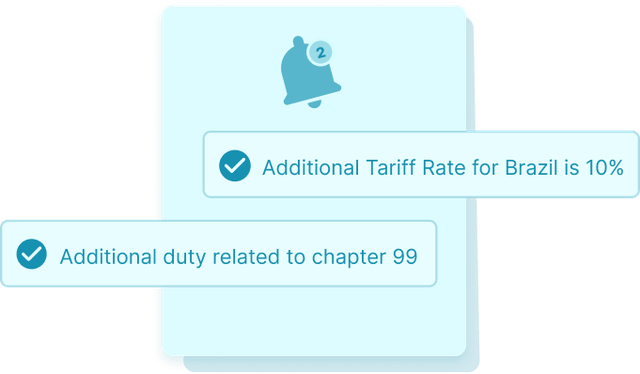
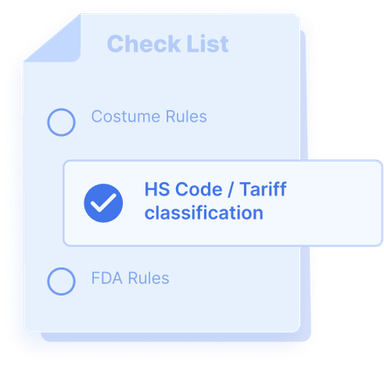
Import Requirements
Leather belt

Import Data
Leather belt


AI Insight
Plastic Bucket under HS Code 3924-24 shows growing demand in 12 emerging markets with favorable duty rates and limited competition. Our AI has identified key compliance requirements, optimal sourcing regions, and upcoming tariff changes that could impact your margins. See the complete analysis to discover specific opportunities.










Market
Opportunities
Top 5 Partners by Quantity
 United States
 Australia
 India
India Canada


Leather belt HS Code description
Leather belt harmonized system code
Product Overview Leather belts classified under HS Code 420330 are defined as articles of leather designed primarily for securing garments around the waist, composed of processed animal hides that meet specified tannery standards. These belts typically measure between 90 to 130 centimeters in length and 25 to 40 millimeters in width, with thickness ranging from 2 to 4 millimeters, ensuring durability and flexibility. The manufacturing process includes tanning, dyeing, cutting, and finishing treatments to enhance resistance to wear and environmental exposure. Within HS Code 420330, subcategories include belts of leather with or without buckles, decorative elements, or specialized reinforcements. Commercially, leather belts serve essential functions in retail fashion, uniform provisioning, and industrial apparel sectors, contributing to both functional and aesthetic value. Positioned as mid-to-high range leather accessories, these belts offer a balance of quality craftsmanship and compliance with international material standards, appealing to importers and distributors requiring consistent product specifications for global markets. HS Code Classification & Trade Specifications The HS Code 420330 falls under Chapter 42 (Articles of leather; saddlery and harness; travel goods, handbags and similar containers; articles of animal gut), Heading 4203 (Luggage, handbags, and similar containers), and Subheading 420330 (Articles of apparel and clothing accessories, of leather or composition leather). This classification is based on the product’s composition (leather material) and intended use as a clothing accessory. Trade considerations include packaging in moisture-resistant, reusable cartons with internal padding to prevent deformation during transit. Preservation methods involve maintaining controlled humidity levels to inhibit mold growth and material degradation. Shipping typically complies with standard international containerization protocols, ensuring secure handling through multimodal transport. Quality standards adhere to ISO 17065 certification schemes and relevant ASTM leather testing methods, including tensile strength (≥15 MPa) and colorfastness (minimum grade 4 on the grey scale). Compliance with WTO trade facilitation agreements and customs documentation standards is critical, facilitating accurate tariff application and smooth cross-border clearance. This detailed classification and specification framework supports efficient trade operations and regulatory adherence within international markets.
Leather belt Chapter Note
1.- For the purposes of this Chapter, the term “leather” includes chamois (including combination chamois) leather, patent leather, patent laminated leather and metallised leather. 2.- This Chapter does not cover : (a) Sterile surgical catgut or similar sterile suture materials (heading 30.06); (b) Articles of apparel or clothing accessories (except gloves, mittens and mitts), lined with furskin or artificial fur or to which furskin or artificial fur is attached on the outside except as mere trimming (heading 43.03 or 43.04); (c) Made up articles of netting (heading 56.08); (d) Articles of Chapter 64; (e) Headgear or parts thereof of Chapter 65; (f) Whips, riding-crops or other articles of heading 66.02; (g) Cuff-links, bracelets or other imitation jewellery (heading 71.17); (h) Fittings or trimmings for harness, such as stirrups, bits, horse brasses and buckles, separately presented (generally Section XV); (ij) Strings, skins for drums or the like, or other parts of musical instruments (heading 92.09); (k) Articles of Chapter 94 (for example, furniture, luminaires and lighting fittings); (l) Articles of Chapter 95 (for example, toys, games, sports requisites); or (m) Buttons, press-fasteners, snap-fasteners, press-studs, button moulds or other parts of these articles, button blanks, of heading 96.06. 3.- (A) In addition to the provisions of Note 2 above, heading 42.02 does not cover : (a) Bags made of sheeting of plastics, whether or not printed, with handles, not designed for prolonged use (heading 39.23); (b) Articles of plaiting materials (heading 46.02). (B) Articles of headings 42.02 and 42.03 which have parts of precious metal or metal clad with precious metal, of natural or cultured pearls, of precious or semi-precious stones (natural, synthetic or reconstructed) remain classified in those headings even if such parts constitute more than minor fittings or minor ornamentation, provided that these parts do not give the articles their essential character. If, on the other hand, the parts give the articles their essential character, the articles are to be classified in Chapter 71. 4.- For the purposes of heading 42.03, the expression “articles of apparel and clothing accessories” applies, inter alia, to gloves, mittens and mitts (including those for sport or for protection), aprons and other protective clothing, braces, belts, bandoliers and wrist straps, but excluding watch straps (heading 91.13).