


Lentils Hs Code
HS Code: 0713.40
lentils classified under HS code 0713.40
Chapter
07Vegetables and certain roots and tubers , Edible
Heading
0713Dried leguminous vegetables, shelled, whether or not skinned or split
Sub Heading
0713.40Lentils

DeepBeez

Founded in 2025
Tariff Tracker
Lentils
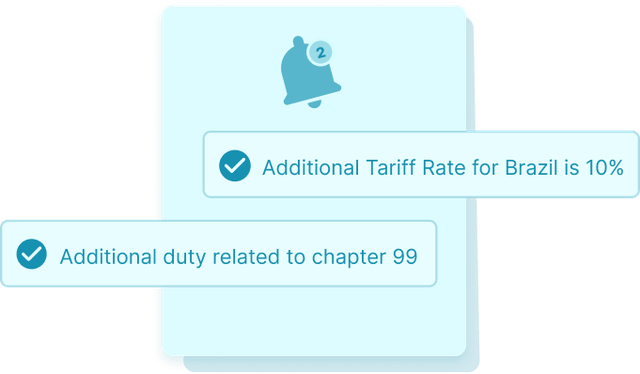
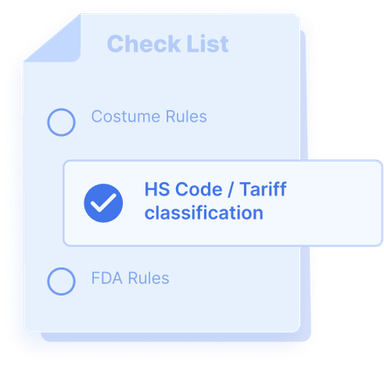
Import Requirements
Lentils

Import Data
Lentils


AI Insight
Plastic Bucket under HS Code 3924-24 shows growing demand in 12 emerging markets with favorable duty rates and limited competition. Our AI has identified key compliance requirements, optimal sourcing regions, and upcoming tariff changes that could impact your margins. See the complete analysis to discover specific opportunities.










Market
Opportunities
Top 5 Partners by Quantity
 United States
 Australia
 India
India Canada


Lentils HS Code description
Lentils harmonized system code
Product Overview Lentils classified under HS Code 071340 refer to dried pulses specifically comprising whole or split lentils (Lens culinaris Medik.). These pulses are characterized by their small, lens-shaped seeds, typically ranging in color from green, brown, red, to yellow, with moisture content standardized below 14% to ensure optimal shelf life and quality. Processing levels include cleaned, sorted, and dehulled variants, meeting stringent quality attributes such as uniform size grading, absence of foreign matter, and minimal broken seeds, conforming to international food safety standards. The HS Code 071340 encompasses subcategories differentiated by physical condition—whole lentils, split lentils, and dehulled lentils—each tailored for specific commercial applications. These lentils serve as staple ingredients in food service operations, retail packaging, and food processing industries, including ready-to-eat meals and pulse-based protein products. Their competitive advantage lies in their high nutritional value, ease of preparation, and versatility, making them a sought-after commodity in global pulse markets. HS Code Classification & Trade Specifications The complete 6-digit HS Code 071340 is structured under Chapter 07 (Edible Vegetables and Certain Roots and Tubers), Heading 0713 (Dried Leguminous Vegetables, Shelled, Whether or Not Skinned or Split), and Subheading 071340 (Lentils, including split lentils). This classification is based on the botanical origin and the dried, shelled state of the product, aligning with the Harmonized System nomenclature maintained by the World Customs Organization (WCO). Lentils under this code are typically packaged in moisture-proof, multi-layered sacks or bulk containers to preserve quality during transit, with recommended storage conditions maintaining temperature between 10°C to 25°C and relative humidity below 65%. Compliance with Codex Alimentarius standards and ISO quality benchmarks is essential, focusing on parameters such as moisture content (max 14%), impurity levels (max 2%), and microbiological safety. These specifications ensure seamless customs clearance, accurate tariff classification, and adherence to WTO trade regulations, facilitating efficient international trade operations for importers, customs brokers, and regulatory authorities.
Lentils Chapter Note
1.- This Chapter does not cover forage products of heading 12.14. 2.- In headings 07.09, 07.10, 07.11 and 07.12 the word “vegetables” includes edible mushrooms, truffles, olives, capers, marrows, pumpkins, aubergines, sweet corn (Zea mays var. saccharata), fruits of the genus Capsicum or of the genus Pimenta, fennel, parsley, chervil, tarragon, cress and sweet marjoram (Majorana hortensis or Origanum majorana). 3.- Heading 07.12 covers all dried vegetables of the kinds falling in headings 07.01 to 07.11, other than : (a) dried leguminous vegetables, shelled (heading 07.13); (b) sweet corn in the forms specified in headings 11.02 to 11.04; (c) flour, meal, powder, flakes, granules and pellets of potatoes (heading 11.05); (d) flour, meal and powder of the dried leguminous vegetables of heading 07.13 (heading 11.06). 4.- However, dried or crushed or ground fruits of the genus Capsicum or of the genus Pimenta are excluded from this Chapter (heading 09.04). 5.- Heading 07.11 applies to vegetables which have been treated solely to ensure their provisional preservation during transport or storage prior to use (for example, by sulphur dioxide gas, in brine, in sulphur water or in other preservative solutions), provided they remain unsuitable for immediate consumption in that state.