


Men's leather shoes|HS Code
Men's Leather Shoes belong to HS heading 6403, but the exact 6-digit code depends on your product specifications. Let our AI tool analyze your product details and provide the precise HS code and tariff information.
Men's Leather Shoes HS Codes
Other footwear with outer soles of leather Covering the ankle
Sports footwear Other than Ski-boots, cross-country ski footwear and snowboard boots
Other footwear, incorporating a protective metal toe-cap
Other footwear Covering the ankle
Other footwear with outer soles of leather Other than Covering the ankle
Footwear with outer soles of leather, and uppers which consist of leather straps across the instep and around the big toe
Other footwear Other than Covering the ankle
Sports footwear Ski-boots, cross-country ski footwear and snowboard boots

DeepBeez

Founded in 2025
Tariff Tracker
Men's leather shoes
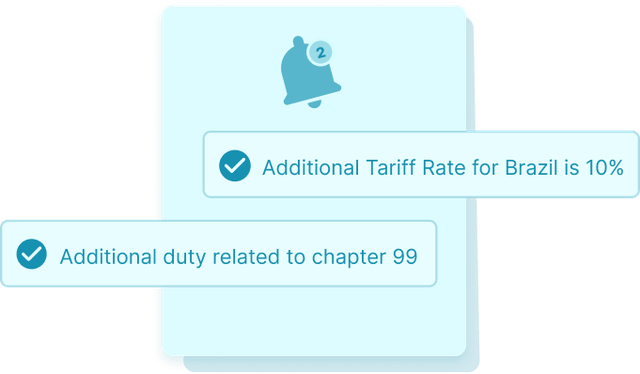
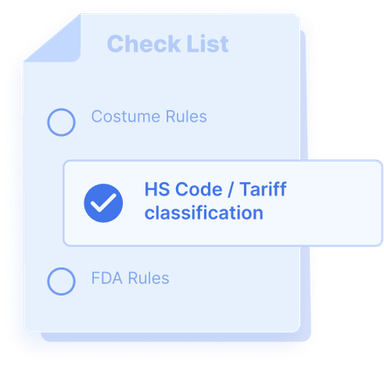
Import Requirements
Men's leather shoes
Import Data
Men's leather shoes


AI Insight
Plastic Bucket under HS Code 3924-24 shows growing demand in 12 emerging markets with favorable duty rates and limited competition. Our AI has identified key compliance requirements, optimal sourcing regions, and upcoming tariff changes that could impact your margins. See the complete analysis to discover specific opportunities.










Market
Opportunities
Top 5 Partners by Quantity
 United States
 Australia
 India
India Canada


Men's leather shoes HS Code description
Men's leather shoes harmonized system code
Product Overview Men's Leather Shoes under HS Code 6403 pertain to footwear with outer soles of rubber, plastics, leather, or composition leather and uppers of leather, designed primarily for men. These shoes are typically characterized by their robust build, durability, and high-quality materials. The processing levels range from raw leather cutting, stitching, finishing, to polishing, ensuring a polished final product that meets high quality standards. Within HS Code 6403, Men's Leather Shoes can be further classified under subcategories based on the type of shoe, such as dress shoes, casual shoes, or work shoes. These shoes find extensive commercial applications in various industries, including retail, corporate offices, hospitality, and more. Their value proposition lies in their stylish appearance, comfort, longevity, and versatility, making them a highly competitive product in the footwear market. HS Code Classification & Trade Specifications HS Code 6403 is structured under Chapter 64 (Footwear, gaiters and the like; parts of such articles), Heading 03 (Footwear with outer soles of rubber, plastics, leather or composition leather and uppers of leather). The classification rationale is based on the material composition of the footwear, with Men's Leather Shoes falling directly under this code due to their leather uppers and various choices of outer soles. Trade considerations include packaging in shoe boxes to preserve their shape and quality, with larger quantities typically shipped in palletized cargo for efficiency. Preservation methods also often involve wrapping shoes in tissue paper or plastic bags to prevent damage during transit. Quality standards for Men's Leather Shoes under HS Code 6403 are generally high, requiring accurate sizing, excellent craftsmanship, and superior grade leather, in accordance with international trade regulations and customs documentation standards.
Men's leather shoes Chapter Note
1.- This Chapter does not cover : (a) Disposable foot or shoe coverings of flimsy material (for example, paper, sheeting of plastics) without applied soles. These products are classified according to their constituent material; (b) Footwear of textile material, without an outer sole glued, sewn or otherwise affixed or applied to the upper (Section XI); (c) Worn footwear of heading 63.09; (d) Articles of asbestos (heading 68.12); (e) Orthopaedic footwear or other orthopaedic appliances, or parts thereof (heading 90.21); or (f) Toy footwear or skating boots with ice or roller skates attached; shin-guards or similar protective sportswear (Chapter 95). 2.- For the purposes of heading 64.06, the term “parts” does not include pegs, protectors, eyelets, hooks, buckles, ornaments, braid, laces, pompons or other trimmings (which are to be classified in their appropriate headings) or buttons or other goods of heading 96.06. 3.- For the purposes of this Chapter : (a) the terms “rubber” and “plastics” include woven fabrics or other textile products with an external layer of rubber or plastics being visible to the naked eye; for the purpose of this provision, no account should be taken of any resulting change of colour; and (b) the term “leather” refers to the goods of headings 41.07 and 41.12 to 41.14. 4.- Subject to Note 3 to this Chapter : (a) the material of the upper shall be taken to be the constituent material having the greatest external surface area, no account being taken of accessories or reinforcements such as ankle patches, edging, ornamentation, buckles, tabs, eyelet stays or similar attachments; (b) the constituent material of the outer sole shall be taken to be the material having the greatest surface area in contact with the ground, no account being taken of accessories or reinforcements such as spikes, bars, nails, protectors or similar attachments.