


Palm sugar Hs Code
HS Code: 1702.90
palm sugar classified under HS code 1702.90
Chapter
17Sugars and sugar confectionery
Heading
1702Other sugars, including chemically pure lactose, maltose, glucose and fructose, in solid form , Sugar syrups not containing added flavoring or coloring matter , Artificial honey, whether or not mixed with natural honey , Caramel
Sub Heading
1702.90Other, including invert sugar and other sugar and sugar syrup blends containing in the dry state 50 percent by weight of fructose

DeepBeez

Founded in 2025
Tariff Tracker
Palm sugar
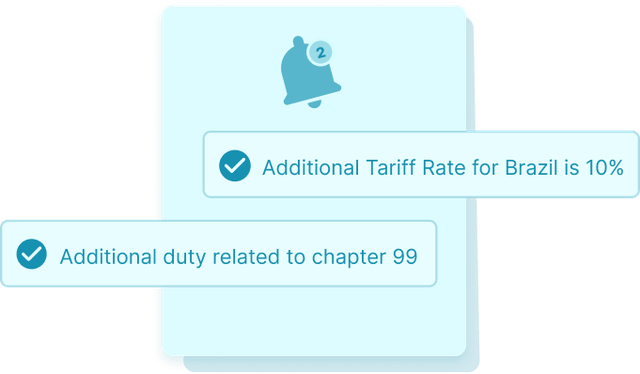
Import Requirements
Palm sugar
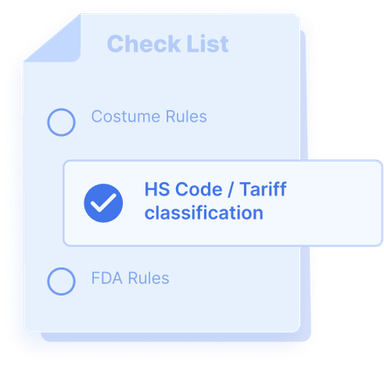

Import Data
Palm sugar


AI Insight
Plastic Bucket under HS Code 3924-24 shows growing demand in 12 emerging markets with favorable duty rates and limited competition. Our AI has identified key compliance requirements, optimal sourcing regions, and upcoming tariff changes that could impact your margins. See the complete analysis to discover specific opportunities.










Market
Opportunities
Top 5 Partners by Quantity
 United States
 Australia
 India
India Canada


Palm sugar HS Code description
Palm sugar harmonized system code
Product Overview Palm sugar, classified under HS Code 170290, is a natural sweetener derived from the sap of various species of palm trees, including the sugar palm (Arenga pinnata), date palm (Phoenix dactylifera), and coconut palm (Cocos nucifera). It is characterized by its granular to solid block form, with moisture content typically below 10%, and a distinctive caramel-like flavor profile. The product undergoes traditional or semi-industrial processing methods involving sap extraction, clarification, and concentration through boiling, followed by molding or granulation. Quality attributes focus on purity, color uniformity (ranging from light amber to dark brown), and absence of contaminants or adulterants. Under HS Code 170290, palm sugar is categorized as a sugar confectionery product not containing cocoa, further subdivided based on physical form and source palm species. Commercially, palm sugar is widely utilized in food service sectors, retail markets, and processing industries as a natural alternative to refined sugars, valued for its unique flavor and functional properties in confectionery, bakery, and beverage formulations. Its competitive advantage lies in its organic origin, trace mineral content, and traditional production heritage, positioning it as a premium ingredient in international markets. HS Code Classification & Trade Specifications Palm sugar is classified under the Harmonized System at 170290, where ‘17’ denotes Chapter 17 – Sugars and sugar confectionery; ‘02’ specifies Heading 1702 – Other sugars, including chemically pure lactose, maltose, glucose and fructose, in solid form; and ‘90’ identifies Subheading 170290 – Other sugars, excluding chemically pure forms and sucrose in solid form. This classification is justified by palm sugar’s nature as a sugar product derived from natural sap, not chemically refined sucrose, thus fitting within the specified subheading for other sugars. Trade considerations include packaging in moisture-resistant, food-grade materials such as laminated pouches, vacuum-sealed bags, or bulk containers to preserve product integrity and prevent microbial growth. Preservation typically involves controlling ambient humidity and temperature during storage and transit. Shipping requirements mandate adherence to international food safety standards and compliance with WTO-sanctioned customs documentation protocols, including accurate declaration of HS codes and product origin. Quality standards are aligned with Codex Alimentarius guidelines and incorporate parameters such as Brix levels (typically 70-80°), moisture content (<10%), and absence of foreign matter, ensuring consistency and facilitating customs clearance and trade compliance across international supply chains.
Palm sugar Chapter Note
1.- This Chapter does not cover : (a) Sugar confectionery containing cocoa (heading 18.06); (b) Chemically pure sugars (other than sucrose, lactose, maltose, glucose and fructose) or other products of heading 29.40; or (c) Medicaments or other products of Chapter 30. Subheading Notes. 1.- For the purposes of subheadings 1701.12, 1701.13 and 1701.14, “raw sugar” means sugar whose content of sucrose by weight, in the dry state, corresponds to a polarimeter reading of less than 99.5. 2.- Subheading 1701.13 covers only cane sugar obtained without centrifugation, whose content of sucrose by weight, in the dry state, corresponds to a polarimeter reading of 69° or more but less than 93°. The product contains only natural anhedral microcrystals, of irregular shape, not visible to the naked eye, which are surrounded by residues of molasses and other constituents of sugar cane.