


Plastic toys Hs Code
HS Code: 9503.00
plastic toys classified under HS code 9503.00
Chapter
95Toys, games and sports requisites , Parts and accessories thereof
Heading
9503Tricycles, scooters, pedal cars and similar wheeled toys , Dollsʼ carriages , Dolls, other toys , Reduced-scale (“scaleˮ) models and similar recreational models, working or not , Puzzles of all kinds , Parts and accessories thereof
Sub Heading
9503.00“childrenʼs productsˮ as defined in 15 u.s.c. § 2052

DeepBeez

Founded in 2025
Tariff Tracker
Plastic toys
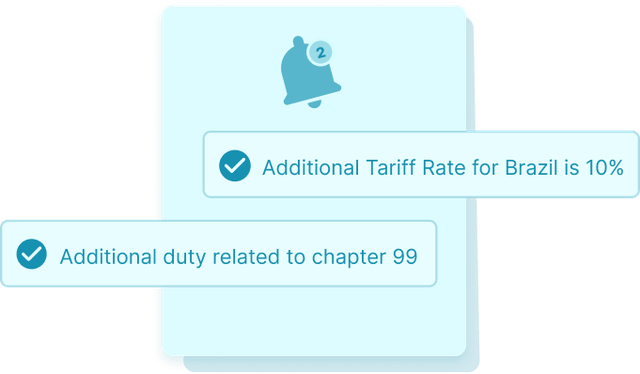
Import Requirements
Plastic toys
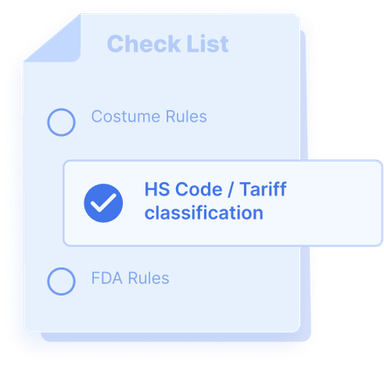
Import Data
Plastic toys


AI Insight
Plastic Bucket under HS Code 3924-24 shows growing demand in 12 emerging markets with favorable duty rates and limited competition. Our AI has identified key compliance requirements, optimal sourcing regions, and upcoming tariff changes that could impact your margins. See the complete analysis to discover specific opportunities.









Market
Opportunities
Top 5 Partners by Quantity
 United States
 Australia
 India
India Canada


Plastic toys HS Code description
Plastic toys harmonized system code
Product Overview Plastic toys classified under HS Code 950300 encompass a broad range of playthings primarily manufactured from various polymeric materials including polyethylene, polypropylene, and ABS. These products are designed for recreational use and typically exhibit attributes such as dimensional stability, non-toxicity, and compliance with international safety standards (e.g., EN71, ASTM F963). The physical specifications vary widely, ranging from simple molded figurines and construction sets to more intricate mechanical or electronic toys, with processing methods including injection molding, extrusion, and assembly. HS Code 950300 subdivides plastic toys into categories such as dolls, action figures, puzzles, and educational toys, with further differentiation based on whether they are battery-operated or manually operated. Commercially, these toys serve diverse markets including retail toy outlets, educational institutions, and leisure centers, addressing requirements for durability, safety, and aesthetic appeal. Their value proposition lies in cost-effective manufacturing, versatility in design, and adherence to international regulatory frameworks, positioning them competitively in global trade channels. HS Code Classification & Trade Specifications The HS Code 950300 is structured hierarchically within Chapter 95 (Toys, games and sports requisites), Heading 9503 (Tricycles, scooters, pedal cars and similar wheeled toys; dolls’ carriages; dolls; other toys; reduced-size (“scale”) models and similar recreational models, working or not; puzzles of all kinds), with the 6-digit subheading 950300 specifically designating plastic toys. This classification is predicated on the material composition and the primary function of the goods as playthings, distinct from electronic equipment or sporting goods. Trade considerations for plastic toys under this code include packaging in standardized cartons or polybags to prevent damage and contamination, with preservation methods focusing on moisture control and UV protection to maintain product integrity during transit. Shipping generally conforms to containerized freight standards, adhering to international protocols such as the International Maritime Dangerous Goods (IMDG) Code when applicable. Quality standards mandate conformity with ISO 8124 and relevant national safety regulations, ensuring products meet mechanical, chemical, and flammability criteria. Compliance with WTO trade facilitation agreements and accurate tariff classification supports efficient customs clearance and reduces trade disputes.
Plastic toys Chapter Note
1.- This Chapter does not cover : (a) Candles (heading 34.06); (b) Fireworks or other pyrotechnic articles of heading 36.04; (c) Yarns, monofilament, cords or gut or the like for fishing, cut to length but not made up into fishing lines, of Chapter 39, heading 42.06 or Section XI; (d) Sports bags or other containers of heading 42.02, 43.03 or 43.04; (e) Fancy dress of textiles, of Chapter 61 or 62; sports clothing and special articles of apparel of textiles, of Chapter 61 or 62, whether or not incorporating incidentally protective components such as pads or padding in the elbow, knee or groin areas (for example, fencing clothing or soccer goalkeeper jerseys); (f) Textile flags or bunting, or sails for boats, sailboards or land craft, of Chapter 63; (g) Sports footwear (other than skating boots with ice or roller skates attached) of Chapter 64, or sports headgear of Chapter 65; (h) Walking-sticks, whips, riding-crops or the like (heading 66.02), or parts thereof (heading 66.03); (ij) Unmounted glass eyes for dolls or other toys, of heading 70.18; (k) Parts of general use, as defined in Note 2 to Section XV, of base metal (Section XV), or similar goods of plastics (Chapter 39); (l) Bells, gongs or the like of heading 83.06; (m) Pumps for liquids (heading 84.13), filtering or purifying machinery and apparatus for liquids or gases (heading 84.21), electric motors (heading 85.01), electric transformers (heading 85.04), discs, tapes, solid-state non-volatile storage devices, "smart cards" and other media for the recording of sound or of other phenomena, whether or not recorded (heading 85.23), radio remote control apparatus (heading 85.26) or cordless infrared remote control devices (heading 85.43); (n) Sports vehicles (other than bobsleighs, toboggans and the like) of Section XVII; (o) Children's bicycles (heading 87.12); (p) Unmanned aircraft (heading 88.06); (q) Sports craft such as canoes and skiffs (Chapter 89), or their means of propulsion (Chapter 44 for such articles made of wood); (r) Spectacles, goggles or the like, for sports or outdoor games (heading 90.04); (s) Decoy calls or whistles (heading 92.08); (t) Arms or other articles of Chapter 93; (u) Lighting strings of all kinds (heading 94.05); (v) Monopods, bipods, tripods and similar articles (heading 96.20); (w) Racket strings, tents or other camping goods, or gloves, mittens and mitts (classified according to their constituent material); or (x) Tableware, kitchenware, toilet articles, carpets and other textile floor coverings, apparel, bed linen, table linen, toilet linen, kitchen linen and similar articles having a utilitarian function (classified according to their constituent material). 2.- This Chapter includes articles in which natural or cultured pearls, precious or semi-precious stones (natural, synthetic or reconstructed), precious metal or metal clad with precious metal constitute only minor constituents. 3.- Subject to Note 1 above, parts and accessories which are suitable for use solely or principally with articles of this Chapter are to be classified with those articles.4.- Subject to the provisions of Note 1 above, heading 95.03 applies, inter alia, to articles of this heading combined with one or more items, which cannot be considered as sets under the terms of General Interpretative Rule 3 (b), and which, if presented separately, would be classified in other headings, provided the articles are put up together for retail sale and the combinations have the essential character of toys. 5.- Heading 95.03 does not cover articles which, on account of their design, shape or constituent material, are identifiable as intended exclusively for animals, for example, “pet toys” (classification in their own appropriate heading). 6.- For the purposes of heading 95.08 : (a) The expression “amusement park rides” means a device or combination of devices or equipment that carry, convey, or direct a person or persons over or through a fixed or restricted course, including watercourses, or within a defined area for the primary purposes of amusement or entertainment. Such rides may be combined within an amusement park, theme park, water park or fairground. These amusement park rides do not include equipment of a kind commonly installed in residences or playgrounds; (b) The expression “water park amusements” means a device or combination of devices or equipment that are characterised by a defined area involving water, with no purposes built path. Water park amusements only include equipment designed specifically for water parks; and (c) The expression “fairground amusements” means games of chance, strength or skill, which commonly employ an operator or attendant and may be installed in permanent buildings or independent concession stalls. Fairground amusements do not include equipment of heading 95.04. This heading does not include equipment more specifically classified elsewhere in the Nomenclature.