

Polyester sewing thread|HS Code
Polyester Sewing Thread belong to HS heading 5401, but the exact 6-digit code depends on your product specifications. Let our AI tool analyze your product details and provide the precise HS code and tariff information.

DeepBeez

Founded in 2025
Tariff Tracker
Polyester sewing thread
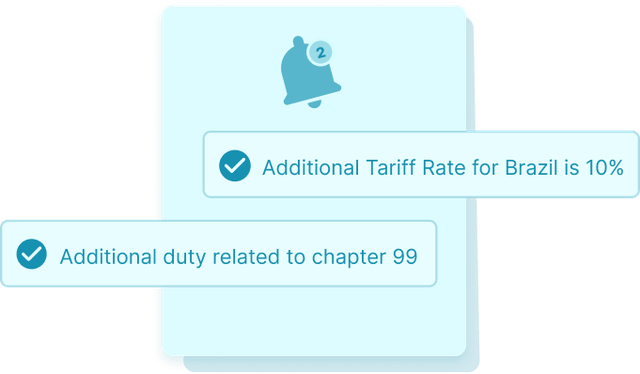
Import Requirements
Polyester sewing thread
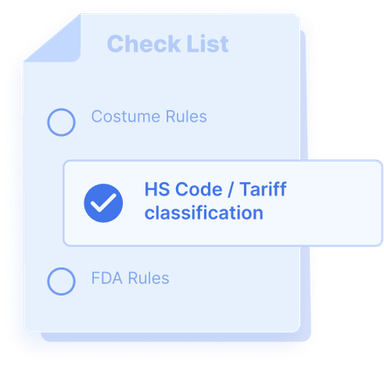
Import Data
Polyester sewing thread


AI Insight
Plastic Bucket under HS Code 3924-24 shows growing demand in 12 emerging markets with favorable duty rates and limited competition. Our AI has identified key compliance requirements, optimal sourcing regions, and upcoming tariff changes that could impact your margins. See the complete analysis to discover specific opportunities.









Market
Opportunities
Top 5 Partners by Quantity
 United States
 Australia
 India
India Canada


Polyester sewing thread HS Code description
Polyester sewing thread harmonized system code
Product Overview The Polyester Sewing Thread under HS Code 5401 is a synthetic textile product characterized by its high durability and resistance to abrasion, making it a sought-after material in various industries. Made from long-chain polymers, this thread is known for its superior tensile strength, colorfastness, and resistance to most chemicals, ensuring longevity and consistent performance. The 5401 HS Code encompasses synthetic filament yarns, including those partially oriented, textured, or flat-structured, with a subcategory specifically for polyester sewing threads. This product finds extensive applications in the apparel industry for stitching clothes, shoes, and bags, as well as in home furnishings and industrial textiles. Its market positioning underscores its function as a versatile, robust, and cost-effective alternative to natural threads, offering a competitive edge in terms of durability, versatility, and affordability. HS Code Classification & Trade Specifications HS Code 5401, structured under Chapter 54 (Man-made filaments), encompasses synthetic filament yarn, including sewing thread, with an explicit subheading for polyester threads. The classification of Polyester Sewing Thread under this code is due to its synthetic origin and filament form, distinguishing it from natural or staple fiber threads. Trade considerations for this product often involve spool or cone packaging to preserve thread integrity, with specific attention to moisture control during shipping to prevent thread degradation. As for quality standards, the Polyester Sewing Thread must meet precise benchmarks for tensile strength, colorfastness, and chemical resistance, aligning with international quality norms. These specifications and standards are essential for trade professionals to ensure compliance with World Trade Organization and customs documentation requirements, providing a reliable framework for international trade operations.
Polyester sewing thread Chapter Note
1.- Throughout the Nomenclature, the term “man-made fibres” means staple fibres and filaments of organic polymers produced by manufacturing processes, either : (a) By polymerisation of organic monomers to produce polymers such as polyamides, polyesters, polyolefins or polyurethanes, or by chemical modification of polymers produced by this process (for example, poly(vinyl alcohol) prepared by the hydrolysis of poly(vinyl acetate)); or (b) By dissolution or chemical treatment of natural organic polymers (for example, cellulose) to produce polymers such as cuprammonium rayon (cupro) or viscose rayon, or by chemical modification of natural organic polymers (for example, cellulose, casein and other proteins, or alginic acid), to produce polymers such as cellulose acetate or alginates. The terms “synthetic” and “artificial”, used in relation to fibres, mean : synthetic : fibres as defined at (a); artificial : fibres as defined at (b). Strip and the like of heading 54.04 or 54.05 are not considered to be man-made fibres. The terms “man-made”, “synthetic” and “artificial” shall have the same meanings when used in relation to “textile materials”. 2.- Headings 54.02 and 54.03 do not apply to synthetic or artificial filament tow of Chapter 55.