


Pressure vessel Hs Code
HS Code: 7309.00
pressure vessel classified under HS code 7309.00
Chapter
73Iron or steel articles
Heading
7309Reservoirs, tanks, vats and similar containers for any material (other than compressed or liquefied gas), of iron or steel, of a capacity exceeding 300 liters, whether or not lined or heat insulated, but not fitted with mechanical or thermal equipment
Sub Heading
7309.00Tanks

DeepBeez

Founded in 2025
Tariff Tracker
Pressure vessel
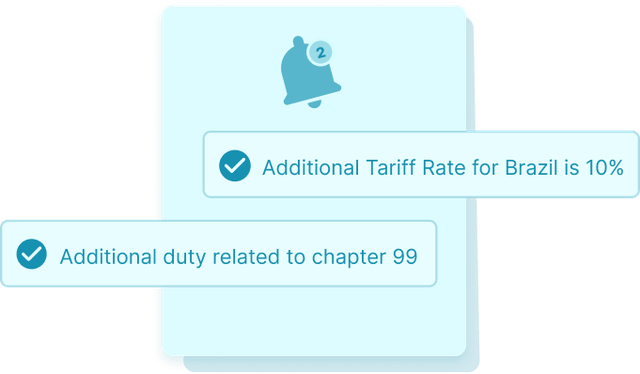
Import Requirements
Pressure vessel
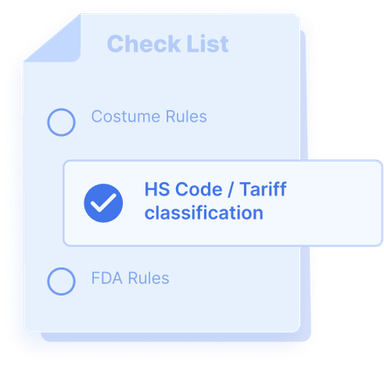

Import Data
Pressure vessel


AI Insight
Plastic Bucket under HS Code 3924-24 shows growing demand in 12 emerging markets with favorable duty rates and limited competition. Our AI has identified key compliance requirements, optimal sourcing regions, and upcoming tariff changes that could impact your margins. See the complete analysis to discover specific opportunities.










Market
Opportunities
Top 5 Partners by Quantity
 United States
 Australia
 India
India Canada


Pressure vessel HS Code description
Pressure vessel harmonized system code
Product Overview Pressure vessels classified under HS Code 730900 are robust, engineered containers designed to hold gases or liquids at pressures substantially different from ambient atmospheric conditions. These vessels are fabricated primarily from wrought iron or non-alloy steel, exhibiting high tensile strength, corrosion resistance, and durability. Typical physical specifications include cylindrical or spherical shapes with wall thicknesses ranging from 4 mm to 25 mm, and capacities spanning from a few liters up to several cubic meters, depending on industrial requirements. The product range under this classification encompasses subcategories such as storage tanks, gas holders, and autoclaves, each tailored to specific pressure ratings and operational environments. Commercially, these vessels find extensive application in food processing, chemical manufacturing, pharmaceutical production, and retail distribution sectors, where controlled pressurized containment is critical. Their design adheres to stringent quality attributes, including compliance with ASME Section VIII or equivalent international standards, ensuring safety, reliability, and longevity. Positioned competitively, these pressure vessels offer a balance of structural integrity and cost-efficiency, making them integral components in global supply chains. HS Code Classification & Trade Specifications Under the Harmonized System, pressure vessels fall within Chapter 73: “Articles of Iron or Steel,” specifically under Heading 7309, which pertains to “Reservoirs, tanks, vats, and similar containers for any material (excluding compressed or liquefied gas cylinders), of iron or steel, of a capacity exceeding 300 liters, whether or not lined or heat-insulated.” The full 6-digit HS Code 730900 precisely classifies these containers, with the chapter indicating the material composition, the heading specifying the container type, and the subheading distinguishing capacity and functional features. This classification aligns with the product’s construction and intended use, facilitating accurate customs clearance and tariff determination. Trade considerations include standardized packaging methods such as wooden crates or metal frames to prevent damage during transit, along with protective coatings to mitigate corrosion. Preservation techniques often involve desiccants or inert gas flushing for long-term storage. Shipping mandates adherence to International Maritime Dangerous Goods (IMDG) Code when applicable, and compliance with WTO trade facilitation agreements ensures uniform documentation. Quality standards are rigorously applied, including ISO 9001 certification and pressure testing protocols, guaranteeing conformity with international safety and performance benchmarks essential for cross-border commerce.
Pressure vessel Chapter Note
1.- In this Chapter the expression “cast iron” applies to products obtained by casting in which iron predominates by weight over each of the other elements and which do not comply with the chemical composition of steel as defined in Note 1 (d) to Chapter 72. 2.- In this Chapter the word “wire” means hot or cold-formed products of any cross-sectional shape, of which no cross-sectional dimension exceeds 16 mm.