
Pringles potato chips Hs Code
HS Code: 1905.90
pringles potato chips classified under HS code 1905.90
Descriptions like this can miss product-specific details. Confirm your code with Deepbeez's HS code finder.
Chapter
19Preparations of cereals, flour, starch or milk , Pastrycooks' products
Heading
1905Bread, pastry, cakes, biscuits and other bakers' wares, whether or not containing cocoa , Communion wafers, empty capsules of a kind suitable for pharmaceutical use, sealing wafers, rice paper and similar products
Sub Heading
1905.90Other than crispbread, gingerbread and the like, sweet biscuits , Waffles and wafers, and rusks, toasted bread and similar toasted products
DeepBeez

Founded in 2025
Tariff Tracker
Pringles potato chips
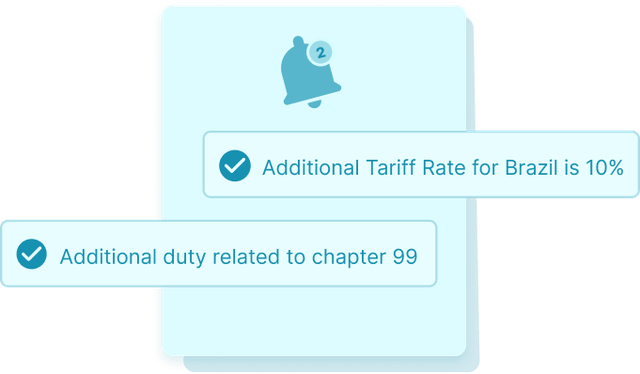
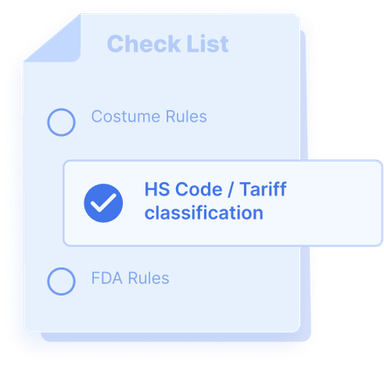
Import Requirements
Pringles potato chips
Import Data
Pringles potato chips


AI Insight
Plastic Bucket under HS Code 3924-24 shows growing demand in 12 emerging markets with favorable duty rates and limited competition. Our AI has identified key compliance requirements, optimal sourcing regions, and upcoming tariff changes that could impact your margins. See the complete analysis to discover specific opportunities.









Market
Opportunities
Top 5 Partners by Quantity
 United States
 Australia
 India
India Canada


Pringles potato chips HS Code description
Pringles potato chips harmonized system code
Product Overview Pringles potato chips, classified under HS Code 190590, are a processed snack food product consisting primarily of dehydrated potato flakes reconstituted and uniformly shaped into thin, saddle-shaped crisps. These chips undergo advanced manufacturing processes including blending, frying, and flavoring, resulting in a consistent texture and extended shelf life. Physically, Pringles are characterized by their uniform size, thickness (approximately 1.5 mm), and a moisture content typically below 2%, ensuring crispness and stability. The product falls within the subcategories of “potato-based snack foods” under the broader heading of prepared foods not elsewhere specified or included (NEI). Commercially, Pringles are widely utilized across retail sectors, food service operations, and snack food processors. Their standardized packaging in cylindrical tubes facilitates portion control and transport efficiency, enhancing their appeal in both mass retail environments and bulk food distribution channels. The product’s competitive advantage lies in its consistent quality, convenience of packaging, and compliance with international food safety standards, making it a preferred choice for importers and distributors in diverse global markets. HS Code Classification & Trade Specifications The HS Code 190590 is structured as follows: Chapter 19 covers “Preparations of cereals, flour, starch or milk; pastrycooks’ products”; Heading 1905 denotes “Bread, pastry, cakes, biscuits and other bakers’ wares, whether or not containing cocoa; communion wafers, empty cachets of a pharmaceutical nature, sealing wafers, rice paper and similar products”; Subheading 190590 specifically includes “Other” products not elsewhere specified, which encompasses potato-based snack foods like Pringles. This classification is justified by the product’s composition—processed potato flakes blended and shaped into crisps—distinguishing it from unprocessed or frozen potatoes. Trade considerations emphasize the use of moisture-barrier packaging materials, typically multi-layered laminated tubes with nitrogen flushing to preserve freshness and prevent oxidation. Standard packaging units range from 100g to 200g per tube, optimized for containerized shipping. Quality standards adhere to Codex Alimentarius guidelines and relevant ISO certifications, ensuring compliance with maximum residue limits (MRLs) for pesticides and contaminants. Documentation must align with WTO trade facilitation requirements, including accurate tariff classification, country of origin declaration, and sanitary and phytosanitary (SPS) certifications, enabling seamless customs clearance and global market access.
Pringles potato chips Chapter Note
1.- This Chapter does not cover : (a) Except in the case of stuffed products of heading 19.02, food preparations containing more than 20 % by weight of sausage, meat, meat offal, blood, insects, fish or crustaceans, molluscs or other aquatic invertebrates, or any combination thereof (Chapter 16); (b) Biscuits or other articles made from flour or from starch, specially prepared for use in animal feeding (heading 23.09); or (c) Medicaments or other products of Chapter 30. 2.- For the purposes of heading 19.01 : (a) The term “groats” means cereal groats of Chapter 11; (b) The terms “flour” and “meal” mean : (1) Cereal flour and meal of Chapter 11, and (2) Flour, meal and powder of vegetable origin of any Chapter, other than flour, meal or powder of dried vegetables (heading 07.12), of potatoes (heading 11.05) or of dried leguminous vegetables (heading 11.06). 3.- Heading 19.04 does not cover preparations containing more than 6 % by weight of cocoa calculated on a totally defatted basis or completely coated with chocolate or other food preparations containing cocoa of heading 18.06 (heading 18.06). 4.- For the purposes of heading 19.04, the expression “otherwise prepared” means prepared or processed to an extent beyond that provided for in the headings of or Notes to Chapter 10 or 11.