

Pumpkin seeds Hs Code
HS Code: 1207.99
pumpkin seeds classified under HS code 1207.99
Chapter
12Oil seeds and oleaginous fruits , Miscellaneous grains, seeds and fruit, industrial or medicinal plants , Straw and fodder
Heading
1207Other oil seeds and oleaginous fruits, whether or not broken
Sub Heading
1207.99Other than palm nuts and kernels, cotton seeds, castor oil seeds, sesame seeds, mustard seeds, safflower (carthamus tinctorius) seeds, and melon seeds other than poppy seeds

DeepBeez

Founded in 2025
Tariff Tracker
Pumpkin seeds
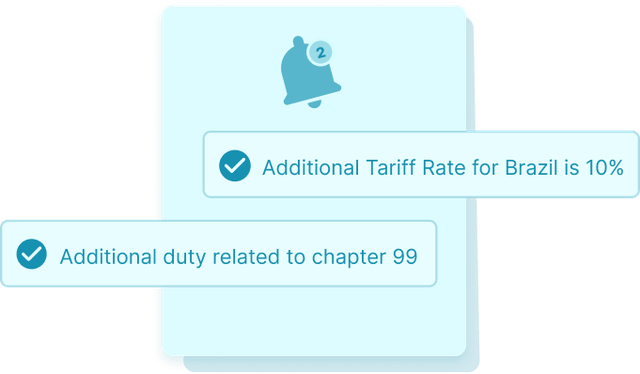
Import Requirements
Pumpkin seeds
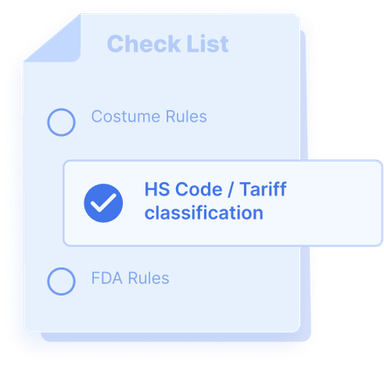
Import Data
Pumpkin seeds


AI Insight
Plastic Bucket under HS Code 3924-24 shows growing demand in 12 emerging markets with favorable duty rates and limited competition. Our AI has identified key compliance requirements, optimal sourcing regions, and upcoming tariff changes that could impact your margins. See the complete analysis to discover specific opportunities.










Market
Opportunities
Top 5 Partners by Quantity
 United States
 Australia
 India
India Canada


Pumpkin seeds HS Code description
Pumpkin seeds harmonized system code
Product Overview Pumpkin seeds classified under HS Code 120799 are the shelled seeds derived from Cucurbita species, typically processed to remove outer shells and impurities. These seeds are characterized by their uniform size, typically ranging from 7 to 12 mm in length, with a moisture content not exceeding 8% to ensure extended shelf life and prevent microbial growth. Processing levels include raw, roasted, and lightly salted variants, all adhering to hygienic standards and free from foreign matter. Within HS Code 120799, subcategories encompass distinct seed types such as hulled and unhulled pumpkin seeds, differentiated by their degree of processing. Commercially, pumpkin seeds are extensively utilized in food service sectors as snack products, incorporated into bakery and confectionery items in retail, and serve as raw materials in oil extraction and nutritional supplement industries. Their nutritional profile, rich in proteins, unsaturated fatty acids, and micronutrients, positions these seeds favorably in global markets, offering a competitive advantage due to their versatility, high-quality standards, and compliance with international food safety regulations. HS Code Classification & Trade Specifications The HS Code 120799 falls under Chapter 12 (Oil seeds and oleaginous fruits), Heading 07 (Other oil seeds and oleaginous fruits), with subheading 120799 specifically designating “Other oil seeds and oleaginous fruits, whether or not broken." This classification is justified as pumpkin seeds do not fall under primary oilseed categories like soybeans or sunflower seeds but are recognized for their oil content and trade distinction. Trade documentation requires precise adherence to packaging standards, commonly involving moisture-proof, food-grade polypropylene bags ranging from 25 to 50 kg to maintain seed integrity during transit. Preservation methods include controlled atmosphere storage and temperature regulation (ideally 10-15°C) to prevent rancidity and quality degradation. International trade compliance mandates conformity with Codex Alimentarius standards and WTO agreements on sanitary and phytosanitary measures. Quality standards stipulate maximum foreign matter limits of 2%, maximum aflatoxin levels below 10 ppb, and absence of genetically modified organisms unless explicitly declared. These criteria ensure seamless customs clearance and uphold the product’s integrity in the global supply chain.
Pumpkin seeds Chapter Note
1.- Heading 12.07 applies, inter alia, to palm nuts and kernels, cotton seeds, castor oil seeds, sesamum seeds, mustard seeds, safflower seeds, poppy seeds and shea nuts (karite nuts). It does not apply to products of heading 08.01 or 08.02 or to olives (Chapter 7 or Chapter 20). 2.- Heading 12.08 applies not only to non-defatted flours and meals but also to flours and meals which have been partially defatted or defatted and wholly or partially refatted with their original oils. It does not, however, apply to residues of headings 23.04 to 23.06. 3.- For the purposes of heading 12.09, beet seeds, grass and other herbage seeds, seeds of ornamental flowers, vegetable seeds, seeds of forest trees, seeds of fruit trees, seeds of vetches (other than those of the species Vicia faba) or of lupines are to be regarded as “seeds of a kind used for sowing”. Heading 12.09 does not, however, apply to the following even if for sowing : (a) Leguminous vegetables or sweet corn (Chapter 7); (b) Spices or other products of Chapter 9; (c) Cereals (Chapter 10); or (d) Products of headings 12.01 to 12.07 or 12.11. 4.- Heading 12.11 applies, inter alia, to the following plants or parts thereof : basil, borage, ginseng, hyssop, liquorice, all species of mint, rosemary, rue, sage and wormwood. Heading 12.11 does not, however, apply to : (a) Medicaments of Chapter 30; (b) Perfumery, cosmetic or toilet preparations of Chapter 33; or (c) Insecticides, fungicides, herbicides, disinfectants or similar products of heading 38.08. 5.- For the purposes of heading 12.12, the term “seaweeds and other algae” does not include : (a) Dead single-cell micro-organisms of heading 21.02; (b) Cultures of micro-organisms of heading 30.02; or (c) Fertilisers of heading 31.01 or 31.05.