


Raisins Hs Code
HS Code: 0806.20
raisins classified under HS code 0806.20
Chapter
08Fruit and nuts, edible , Peel of citrus fruit or melons
Heading
0806Grapes, fresh or dried
Sub Heading
0806.20Dried

DeepBeez

Founded in 2025
Tariff Tracker
Raisins
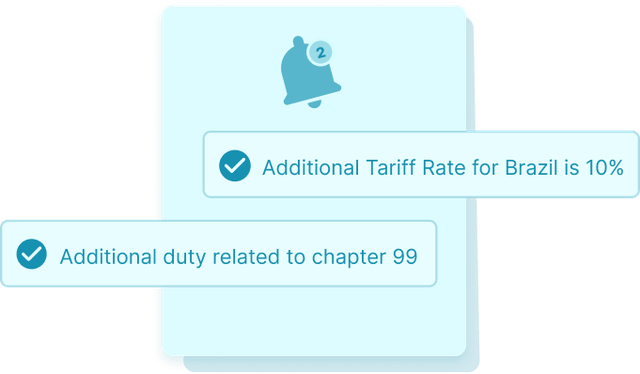
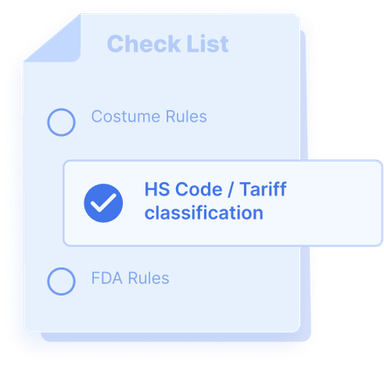
Import Requirements
Raisins

Import Data
Raisins


AI Insight
Plastic Bucket under HS Code 3924-24 shows growing demand in 12 emerging markets with favorable duty rates and limited competition. Our AI has identified key compliance requirements, optimal sourcing regions, and upcoming tariff changes that could impact your margins. See the complete analysis to discover specific opportunities.










Market
Opportunities
Top 5 Partners by Quantity
 United States
 Australia
 India
India Canada


Raisins HS Code description
Raisins harmonized system code
Product Overview Raisins classified under HS Code 080620 are dried grapes, specifically prepared by natural drying or mechanical dehydration processes, resulting in a concentrated fruit product with reduced moisture content typically below 20%. These raisins exhibit characteristic wrinkled skin, a firm yet pliable texture, and a sweet flavor profile, retaining essential nutrients such as natural sugars, dietary fiber, and antioxidants. The classification 080620 encompasses various subcategories, including seedless and seeded varieties, differentiated by grape cultivar and processing methods. Commercially, these raisins serve diverse applications across food service sectors, retail packaging, bakery and confectionery ingredient supply chains, as well as in health food product formulations. Their stable shelf life and versatility position them as a valuable commodity within global dried fruit markets. The product’s quality attributes, such as uniform size grading, absence of foreign matter, and compliance with maximum residue limits (MRLs), contribute to its competitive advantage in international trade. HS Code Classification & Trade Specifications The HS Code 080620 falls within Chapter 08 (Edible Fruit and Nuts; Peel of Citrus Fruit or Melons), Heading 0806 (Grapes, Fresh or Dried), and specifically under Subheading 080620 (Raisins). This classification is assigned due to the product’s origin from grape drying processes and its dehydrated state distinct from fresh grapes or other dried fruits. Trade professionals recognize this code for customs declaration, tariff determination, and statistical reporting. Common packaging formats include bulk sacks (10-25 kg), vacuum-sealed pouches, and carton boxes designed to maintain product integrity during transit. Preservation methods emphasize moisture control and protection against microbial contamination, often utilizing inert atmosphere packaging or sulfur dioxide treatment to inhibit spoilage. Quality standards adhere to Codex Alimentarius guidelines and ISO specifications for dried fruits, ensuring compliance with WTO trade regulations and facilitating smooth customs clearance. Accurate classification and adherence to specified parameters streamline international logistics and support trade compliance protocols.
Raisins Chapter Note
1.- This Chapter does not cover inedible nuts or fruits. 2.- Chilled fruits and nuts are to be classified in the same headings as the corresponding fresh fruits and nuts. 3.- Dried fruit or dried nuts of this Chapter may be partially rehydrated, or treated for the following purposes : (a) For additional preservation or stabilisation (for example, by moderate heat treatment, sulphuring, the addition of sorbic acid or potassium sorbate), (b) To improve or maintain their appearance (for example, by the addition of vegetable oil or small quantities of glucose syrup), provided that they retain the character of dried fruit or dried nuts. 4.- Heading 08.12 applies to fruit and nuts which have been treated solely to ensure their provisional preservation during transport or storage prior to use (for example, by sulphur dioxide gas, in brine, in sulphur water or in other preservative solutions), provided they remain unsuitable for immediate consumption in that state.