

Roller blinds|HS Code
Roller Blinds belong to HS heading 6303, but the exact 6-digit code depends on your product specifications. Let our AI tool analyze your product details and provide the precise HS code and tariff information.
Roller Blinds HS Codes
Knitted or crocheted Of synthetic fibers
Other than Knitted or crocheted Of other textile materials
Other than Knitted or crocheted Of synthetic fibers
Knitted or crocheted Of other textile materials
Other than Knitted or crocheted Of cotton

DeepBeez

Founded in 2025
Tariff Tracker
Roller blinds
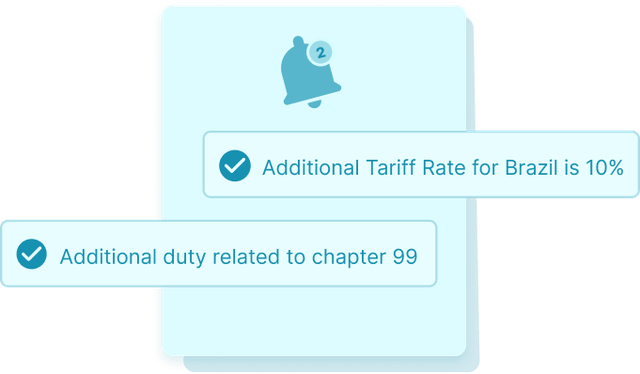
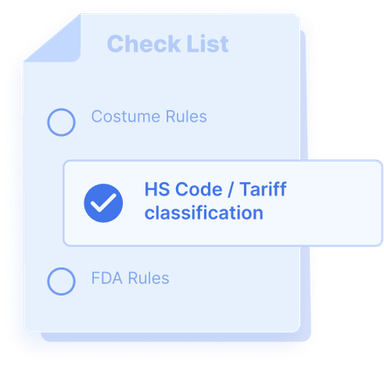
Import Requirements
Roller blinds
Import Data
Roller blinds


AI Insight
Plastic Bucket under HS Code 3924-24 shows growing demand in 12 emerging markets with favorable duty rates and limited competition. Our AI has identified key compliance requirements, optimal sourcing regions, and upcoming tariff changes that could impact your margins. See the complete analysis to discover specific opportunities.










Market
Opportunities
Top 5 Partners by Quantity
 United States
 Australia
 India
India Canada


Roller blinds HS Code description
Roller blinds harmonized system code
Product Overview Roller Blinds are a type of window covering classified under the Harmonized System (HS) Code 6303, which broadly encompasses curtains and other interior blinds. These blinds are typically made from sturdy and resilient materials such as polyester, vinyl, or fabric. The product is distinguished by a roll-up mechanism that allows easy adjustment of the blind’s height, offering varying levels of light control and privacy. Subcategories within HS Code 6303 further classify roller blinds based on material, design, and processing methods. Roller Blinds are extensively used in residential, commercial, and hospitality sectors due to their versatility and functional appeal. They provide an ideal balance of light filtration, privacy, and aesthetic appeal, positioning them as a value-driven choice in the competitive window covering market. HS Code Classification & Trade Specifications Roller Blinds fall under the full 6-digit HS Code 6303.92, where Chapter 63 represents 'Textile articles; sets; worn clothing and worn textile articles; rags', Heading 03 covers 'Curtains and other interior blinds; curtain or bed valances', and Subheading 92 specifically denotes 'Other furnishing articles'. The classification rationale for roller blinds under this code is due to their textile composition and primary use as interior blinds. In terms of trade considerations, Roller Blinds are commonly packaged in sturdy cardboard boxes to prevent damage during transit. They are often shipped in a semi-assembled or fully-assembled state, with necessary fixtures included. As per international trade standards, Roller Blinds should adhere to quality attributes such as durability, smooth operation, and resistance to fading. It's crucial to ensure that the product complies with various international quality standards like ISO 9001, demonstrating a commitment to product quality and customer satisfaction.
Roller blinds Chapter Note
1.- Sub-Chapter I applies only to made up articles, of any textile fabric. 2.- Sub-Chapter I does not cover : (a) Goods of Chapters 56 to 62; or (b) Worn clothing or other worn articles of heading 63.09. 3.- Heading 63.09 applies only to the following goods : (a) Articles of textile materials : (i) Clothing and clothing accessories, and parts thereof; (ii) Blankets and travelling rugs; (iii) Bed linen, table linen, toilet linen and kitchen linen; (iv) Furnishing articles, other than carpets of headings 57.01 to 57.05 and tapestries of heading 58.05; (b) Footwear and headgear of any material other than asbestos. In order to be classified in this heading, the articles mentioned above must comply with both of the following requirements : (i) they must show signs of appreciable wear, and (ii) they must be presented in bulk or in bales, sacks or similar packings.