


Scaffolding - scaffolding material Hs Code
HS Code: 7308.40
Scaffolding - Scaffolding Material classified under HS code 7308.40
Chapter
73Iron or steel articles
Heading
7308Structures (excluding prefabricated buildings of heading 9406) and parts of structures (for example, bridges and bridge sections, lock gates, towers, lattice masts, roofs, roofing frameworks, doors and windows and their frames and thresholds for doors, shutters, balustrades, pillars and columns) of iron or steel , Plates, rods, angles, shapes, sections, tubes and the like, prepared for use in structures, of iron or steel
Sub Heading
7308.40Equipment for scaffolding, shuttering, propping or pit- propping

DeepBeez

Founded in 2025
Tariff Tracker
Scaffolding - scaffolding material
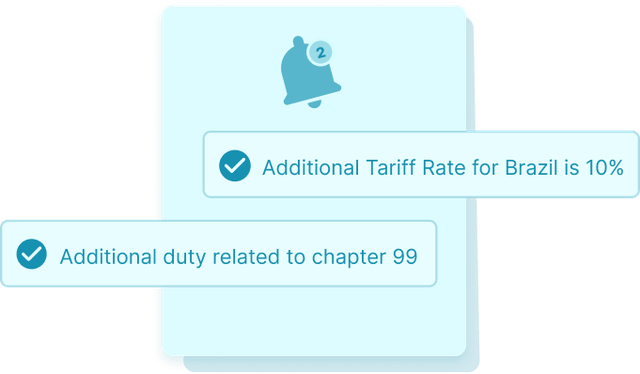
Import Requirements
Scaffolding - scaffolding material
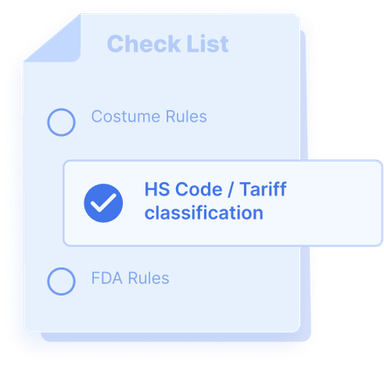
Import Data
Scaffolding - scaffolding material


AI Insight
Plastic Bucket under HS Code 3924-24 shows growing demand in 12 emerging markets with favorable duty rates and limited competition. Our AI has identified key compliance requirements, optimal sourcing regions, and upcoming tariff changes that could impact your margins. See the complete analysis to discover specific opportunities.










Market
Opportunities
Top 5 Partners by Quantity
 United States
 Australia
 India
India Canada


Scaffolding - scaffolding material HS Code description
Scaffolding - scaffolding material harmonized system code
Product Overview Scaffolding material classified under HS Code 730840 encompasses metal frameworks and components specifically engineered to provide temporary support and access during construction, maintenance, or industrial operations. Typically fabricated from high-strength steel alloys, these materials exhibit robust mechanical properties including tensile strengths ranging from 350 to 550 MPa, corrosion-resistant finishes such as galvanization or powder coating, and modular design features to facilitate rapid assembly and disassembly. The classification 730840 includes subcategories covering tube and pipe scaffolding, couplers, base plates, braces, and other related fittings, each conforming to standardized dimensional and load-bearing specifications. Predominantly utilized across construction, industrial processing, and retail infrastructure sectors, these scaffolding materials enable safe and efficient elevated work platforms. Their commercial value is underscored by compliance with international safety standards (e.g., EN 12811, OSHA) and adaptability to diverse climatic conditions, positioning them as essential assets within global supply chains serving infrastructure development and maintenance. HS Code Classification & Trade Specifications The HS Code 730840 is structured as follows: Chapter 73 (Iron and Steel), Heading 7308 (Structures and Parts of Structures), and Subheading 730840 (Scaffolding, Shuttering, Propping, and Other Temporary Supports). This classification is assigned based on the product’s primary function as a temporary structural support fabricated predominantly from iron or steel. The rationale for classification emphasizes the material’s design for load-bearing and access facilitation, distinct from permanent structural components. Trade considerations include packaging in bulk or containerized shipments, with protective coatings or wrapping to prevent corrosion during transit. Preservation methods often involve desiccants or humidity control to maintain product integrity. Shipping requirements adhere to International Maritime Dangerous Goods (IMDG) and International Convention for Safe Containers (CSC) standards when applicable. Quality standards mandate compliance with ISO 9001 quality management systems and adherence to regional norms such as ASTM or EN specifications to ensure dimensional accuracy, mechanical performance, and safety certification, facilitating seamless customs clearance and regulatory compliance in international commerce.
Scaffolding - scaffolding material Chapter Note
1.- In this Chapter the expression “cast iron” applies to products obtained by casting in which iron predominates by weight over each of the other elements and which do not comply with the chemical composition of steel as defined in Note 1 (d) to Chapter 72. 2.- In this Chapter the word “wire” means hot or cold-formed products of any cross-sectional shape, of which no cross-sectional dimension exceeds 16 mm.