


Semi husked coconut Hs Code
HS Code: 0801.19
semi husked coconut classified under HS code 0801.19
Chapter
08Fruit and nuts, edible , Peel of citrus fruit or melons
Heading
0801Coconuts, brazil nuts and cashew nuts, fresh or dried, whether or not shelled or peeled
Sub Heading
0801.19Coconuts other than desiccated and in the inner shell (endocarp)

DeepBeez

Founded in 2025
Tariff Tracker
Semi husked coconut
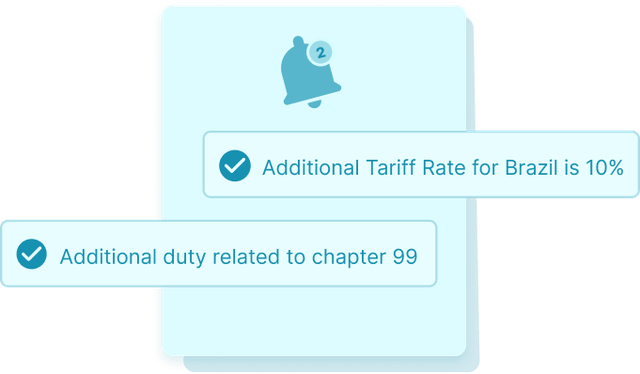
Import Requirements
Semi husked coconut


Import Data
Semi husked coconut


AI Insight
Plastic Bucket under HS Code 3924-24 shows growing demand in 12 emerging markets with favorable duty rates and limited competition. Our AI has identified key compliance requirements, optimal sourcing regions, and upcoming tariff changes that could impact your margins. See the complete analysis to discover specific opportunities.










Market
Opportunities
Top 5 Partners by Quantity
 United States
 Australia
 India
India Canada


Semi husked coconut HS Code description
Semi husked coconut harmonized system code
Product Overview Semi husked coconut, classified under HS Code 080119, refers to mature coconuts from the species Cocos nucifera that have undergone partial removal of the outer fibrous husk (exocarp and mesocarp), leaving a portion of the husk intact. These coconuts typically exhibit a partially exposed hard endocarp (shell) with residual husk fibers, facilitating easier handling and processing compared to fully husked coconuts. Key physical specifications include a weight range of approximately 1.2 to 2.0 kilograms per unit, with moisture content controlled to maintain freshness and minimize microbial growth during transport. The semi husked state supports extended shelf life while preserving the nut’s integrity for subsequent industrial or consumer use. HS Code 080119 encompasses subcategories differentiated by maturity levels and intended uses, including fresh, dried, or desiccated forms with partial husk retention. Commercially, semi husked coconuts serve multiple sectors: the food service industry utilizes them for fresh coconut water and meat extraction; retail markets offer them as ready-to-process nuts; and processing industries use them as raw material for coconut oil, copra, and desiccated coconut production. Their semi processed condition offers a competitive advantage by reducing post-import processing costs and facilitating compliance with phytosanitary regulations. HS Code Classification & Trade Specifications The complete HS Code for semi husked coconut is 080119, where Chapter 08 designates "Edible Fruit and Nuts; Peel of Citrus Fruit or Melons," Heading 01 specifies "Coconuts, Brazil nuts and Cashew nuts, fresh or dried, whether or not shelled or peeled," and Subheading 19 identifies "Coconuts, fresh or dried, with husk removed or partly removed." This classification is predicated on the product’s botanical origin and the degree of husk removal, aligning with the Harmonized System’s standardized nomenclature for customs and international trade. Trade considerations for semi husked coconuts include packaging in ventilated jute or polypropylene sacks weighing 30-50 kg to ensure aeration and prevent moisture accumulation. Preservation commonly involves temperature-controlled environments ranging from 10°C to 15°C and relative humidity levels of 75-85% to inhibit fungal growth and maintain quality during transit. Shipping protocols conform to WTO Sanitary and Phytosanitary Measures, ensuring compliance with international quarantine requirements. Quality standards mandate uniformity in size, absence of external damage, and microbial contamination limits per ISO 22000 or equivalent food safety management systems. This detailed classification and adherence to trade specifications facilitate streamlined customs clearance and support accurate tariff and duty assessments in global markets.
Semi husked coconut Chapter Note
1.- This Chapter does not cover inedible nuts or fruits. 2.- Chilled fruits and nuts are to be classified in the same headings as the corresponding fresh fruits and nuts. 3.- Dried fruit or dried nuts of this Chapter may be partially rehydrated, or treated for the following purposes : (a) For additional preservation or stabilisation (for example, by moderate heat treatment, sulphuring, the addition of sorbic acid or potassium sorbate), (b) To improve or maintain their appearance (for example, by the addition of vegetable oil or small quantities of glucose syrup), provided that they retain the character of dried fruit or dried nuts. 4.- Heading 08.12 applies to fruit and nuts which have been treated solely to ensure their provisional preservation during transport or storage prior to use (for example, by sulphur dioxide gas, in brine, in sulphur water or in other preservative solutions), provided they remain unsuitable for immediate consumption in that state.