

Shoe insole Hs Code
HS Code: 6406.90
shoe insole classified under HS code 6406.90
Descriptions like this can miss product-specific details. Confirm your code with Deepbeez's HS code finder.
Chapter
64Footwear , Gaiters and the like , Parts of such articles
Heading
6406Parts of footwear (including uppers whether or not attached to soles other than outer soles) , Removable insoles, heel cushions and similar articles , Gaiters, leggings and similar articles, and parts thereof
Sub Heading
6406.90Other than uppers and parts thereof, other than stiffeners and outer soles and heels, of rubber or plastics

DeepBeez

Founded in 2025
Tariff Tracker
Shoe insole
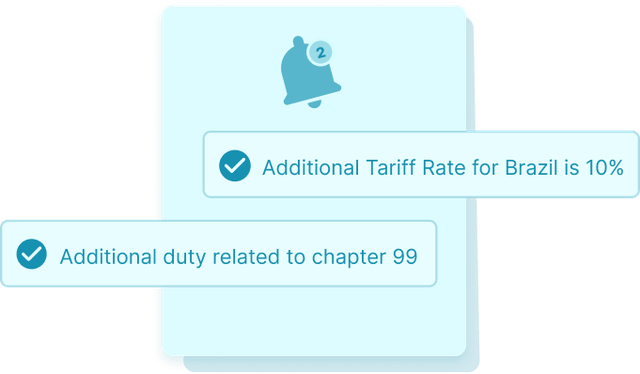
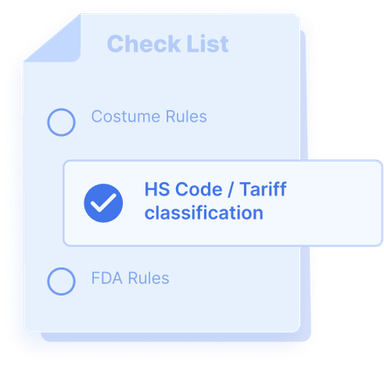
Import Requirements
Shoe insole

Import Data
Shoe insole


AI Insight
Plastic Bucket under HS Code 3924-24 shows growing demand in 12 emerging markets with favorable duty rates and limited competition. Our AI has identified key compliance requirements, optimal sourcing regions, and upcoming tariff changes that could impact your margins. See the complete analysis to discover specific opportunities.










Market
Opportunities
Top 5 Partners by Quantity
 United States
 Australia
 India
India Canada


Shoe insole HS Code description
Shoe insole harmonized system code
Product Overview Shoe insoles classified under HS Code 640690 are defined as removable or fixed internal footwear components designed to provide cushioning, support, and enhanced comfort within shoes. These insoles typically consist of materials such as polyurethane foam, ethylene-vinyl acetate (EVA), gel inserts, or latex, processed through molding, cutting, or lamination techniques to achieve precise thicknesses ranging from 3 mm to 12 mm. Quality attributes include durability, moisture-wicking properties, anti-microbial treatments, and ergonomic contouring to accommodate diverse foot anatomies. The HS Code 640690 encompasses several subcategories, including insoles made of rubber, plastics, leather, and textile-based composites, differentiated by material composition and manufacturing processes. Commercially, these insoles find extensive application in sectors such as food service, retail, and industrial processing, where prolonged standing necessitates enhanced foot support. Their value proposition lies in improving wearer comfort and reducing fatigue, contributing to occupational health and safety, thereby positioning them competitively within the global footwear accessories market. HS Code Classification & Trade Specifications The HS Code 640690 is structured as follows: Chapter 64 (Footwear, gaiters, and the like; parts of such articles), Heading 6406 (Parts of footwear), and Subheading 640690 (Other parts of footwear, excluding those specified elsewhere). Insoles fall under this classification due to their designation as integral footwear components not classified under other specific headings such as outer soles or uppers. Trade considerations for shoe insoles include packaging in moisture-resistant, anti-static polyethylene bags or boxes, with preservation methods ensuring protection from deformation and contamination during transit. Typical shipment units range from 100 to 500 pieces per carton, optimized for palletization and compliance with international shipping standards. Quality standards adhered to encompass ISO 20344 (Footwear Testing) for physical and chemical properties, alongside compliance with WTO technical barriers to trade agreements to facilitate smooth customs clearance. The classification aligns with the Harmonized System conventions, ensuring consistency and accuracy in customs documentation and tariff application for import/export activities.
Shoe insole Chapter Note
1.- This Chapter does not cover : (a) Disposable foot or shoe coverings of flimsy material (for example, paper, sheeting of plastics) without applied soles. These products are classified according to their constituent material; (b) Footwear of textile material, without an outer sole glued, sewn or otherwise affixed or applied to the upper (Section XI); (c) Worn footwear of heading 63.09; (d) Articles of asbestos (heading 68.12); (e) Orthopaedic footwear or other orthopaedic appliances, or parts thereof (heading 90.21); or (f) Toy footwear or skating boots with ice or roller skates attached; shin-guards or similar protective sportswear (Chapter 95). 2.- For the purposes of heading 64.06, the term “parts” does not include pegs, protectors, eyelets, hooks, buckles, ornaments, braid, laces, pompons or other trimmings (which are to be classified in their appropriate headings) or buttons or other goods of heading 96.06. 3.- For the purposes of this Chapter : (a) the terms “rubber” and “plastics” include woven fabrics or other textile products with an external layer of rubber or plastics being visible to the naked eye; for the purpose of this provision, no account should be taken of any resulting change of colour; and (b) the term “leather” refers to the goods of headings 41.07 and 41.12 to 41.14. 4.- Subject to Note 3 to this Chapter : (a) the material of the upper shall be taken to be the constituent material having the greatest external surface area, no account being taken of accessories or reinforcements such as ankle patches, edging, ornamentation, buckles, tabs, eyelet stays or similar attachments; (b) the constituent material of the outer sole shall be taken to be the material having the greatest surface area in contact with the ground, no account being taken of accessories or reinforcements such as spikes, bars, nails, protectors or similar attachments.