


Shoe laces Hs Code
HS Code: 6307.90
shoe laces classified under HS code 6307.90
Chapter
63Textiles, made up articles , Sets , Worn clothing and worn textile articles , Rags
Heading
6307Other made up articles, including dress patterns
Sub Heading
6307.90Other than floorcloths, dishcloths, dusters and similar cleaning cloths and lifejackets and lifebelts

DeepBeez

Founded in 2025
Tariff Tracker
Shoe laces
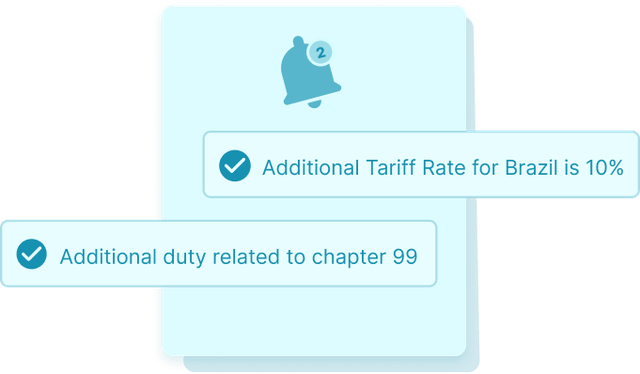
Import Requirements
Shoe laces
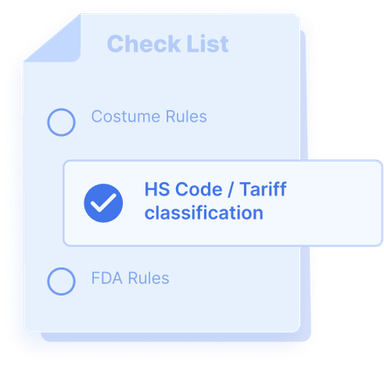

Import Data
Shoe laces


AI Insight
Plastic Bucket under HS Code 3924-24 shows growing demand in 12 emerging markets with favorable duty rates and limited competition. Our AI has identified key compliance requirements, optimal sourcing regions, and upcoming tariff changes that could impact your margins. See the complete analysis to discover specific opportunities.










Market
Opportunities
Top 5 Partners by Quantity
 United States
 Australia
 India
India Canada


Shoe laces HS Code description
Shoe laces harmonized system code
Product Overview Shoe laces classified under HS Code 630790 refer to textile cords specifically manufactured for fastening footwear. These products are typically composed of woven or braided fibers such as cotton, polyester, nylon, or blended yarns, exhibiting tensile strengths ranging from 15 to 50 Newtons depending on material composition and diameter. Processing includes dyeing, coating for abrasion resistance, and tip reinforcement via plastic or metal aglets to enhance durability and ease of threading. HS Code 630790 encompasses various subcategories, including flat, round, elastic, and non-elastic laces, each differentiated by weave pattern, elasticity, and intended application. Commercially, these shoe laces serve critical functions in footwear manufacturing, retail sales, and aftermarket replacement, ensuring secure fitment and user comfort. Their market positioning is anchored in consistent quality assurance, compliance with international material safety standards, and adaptability to diverse footwear types, making them indispensable components within global supply chains for footwear and related accessories. HS Code Classification & Trade Specifications The complete HS Code 630790 falls under Chapter 63—“Other Made-Up Textile Articles; Sets; Worn Clothing and Worn Textile Articles”—with Heading 6307 specifying “Other made-up articles, including dress patterns.” The subheading 630790 precisely covers “Other made-up articles of textile materials, not elsewhere specified.” This classification is justified by the nature of shoe laces as textile-made fastening accessories, distinct from apparel or industrial textile products. Trade considerations include packaging in bulk quantities ranging from 100 to 1,000 units per carton, often sealed to prevent moisture ingress and contamination. Preservation protocols mandate dry, ventilated storage conditions to maintain fiber integrity and prevent microbial degradation. Shipping requirements adhere to international standards, ensuring proper documentation for customs clearance, including fiber content declarations and conformity certificates aligned with WTO regulations. Quality standards typically reference ISO 17025 testing for tensile strength and elongation, alongside compliance with REACH and CPSIA for chemical safety, facilitating seamless import/export operations and trade compliance across jurisdictions.
Shoe laces Chapter Note
1.- Sub-Chapter I applies only to made up articles, of any textile fabric. 2.- Sub-Chapter I does not cover : (a) Goods of Chapters 56 to 62; or (b) Worn clothing or other worn articles of heading 63.09. 3.- Heading 63.09 applies only to the following goods : (a) Articles of textile materials : (i) Clothing and clothing accessories, and parts thereof; (ii) Blankets and travelling rugs; (iii) Bed linen, table linen, toilet linen and kitchen linen; (iv) Furnishing articles, other than carpets of headings 57.01 to 57.05 and tapestries of heading 58.05; (b) Footwear and headgear of any material other than asbestos. In order to be classified in this heading, the articles mentioned above must comply with both of the following requirements : (i) they must show signs of appreciable wear, and (ii) they must be presented in bulk or in bales, sacks or similar packings.