

Sisal fibre Hs Code
HS Code: 5305.00
sisal fibre classified under HS code 5305.00
Chapter
53Vegetable textile fibres , Paper yarn and woven fabrics of paper yarn
Heading
5305Coconut, abaca (manila hemp or musa textilis nee), ramie and other vegetable textile fibers, not elsewhere specified or included, raw or processed but not spun , Tow, noils and waste of these fibers (including yarn waste and garnetted stock)
Sub Heading
5305.00
DeepBeez

Founded in 2025
Tariff Tracker
Sisal fibre
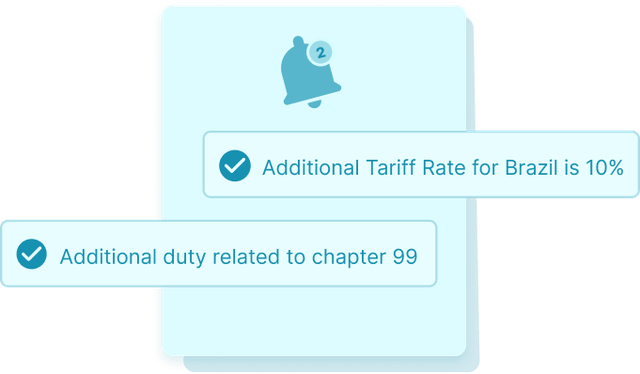
Import Requirements
Sisal fibre
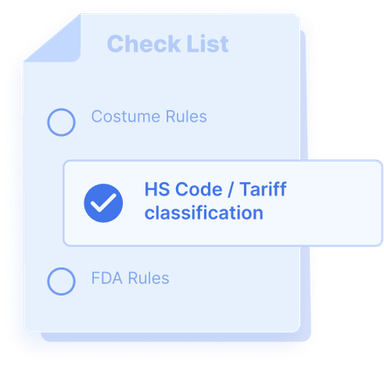
Import Data
Sisal fibre


AI Insight
Plastic Bucket under HS Code 3924-24 shows growing demand in 12 emerging markets with favorable duty rates and limited competition. Our AI has identified key compliance requirements, optimal sourcing regions, and upcoming tariff changes that could impact your margins. See the complete analysis to discover specific opportunities.










Market
Opportunities
Top 5 Partners by Quantity
 United States
 Australia
 India
India Canada


Sisal fibre HS Code description
Sisal fibre harmonized system code
Product Overview Sisal fibre, classified under HS Code 530500, is a natural bast fibre extracted from the leaves of the Agave sisalana plant. This fibre is characterized by its coarse texture, high tensile strength, and durability, making it suitable for various industrial applications. Typically, sisal fibre is available in both raw and decorticated forms, with physical specifications including fibre length ranging from 0.6 to 1.2 meters and fibre fineness averaging 120–200 microns. The fibre undergoes processes such as drying, brushing, and baling to meet quality standards that ensure low moisture content (below 15%) and minimal impurities. Under HS Code 530500, sisal fibre is further sub-classified into categories based on processing levels, such as raw, degummed, or bleached fibre, each catering to different industry requirements. Commercially, sisal fibre is primarily utilized in the production of ropes, mats, brushes, and upholstery materials, serving sectors such as food service packaging, retail displays, and industrial processing. Its natural biodegradability and mechanical strength position sisal as a cost-effective alternative to synthetic fibres in global markets. HS Code Classification & Trade Specifications The HS Code 530500 falls under Chapter 53, which encompasses “Other vegetable textile fibres; paper yarn and woven fabrics of paper yarn.” The full 6-digit code 530500 specifically identifies sisal and other agave fibres. The hierarchical structure is as follows: Chapter 53 (Vegetable textile fibres), Heading 5305 (Sisal and other agave fibres), and Subheading 530500 (Sisal fibres). This classification is justified by the botanical origin and physical characteristics of the fibre, distinguishing it from other bast fibres such as jute or flax. Trade considerations include packaging in compressed bales weighing between 150 to 300 kilograms, typically wrapped in moisture-resistant materials to preserve fibre integrity during transit. Preservation methods focus on maintaining fibre moisture below 15% to prevent microbial degradation. Shipping generally requires adherence to international phytosanitary standards to avoid contamination. Sisal fibre must comply with ISO 139:2016 standards pertaining to fibre strength and moisture content, ensuring consistency and facilitating customs clearance. These trade specifications align with WTO guidelines and international harmonized system classifications, streamlining import/export documentation and customs procedures globally.