
Soybean meal Hs Code
HS Code: 1208.10
soybean meal classified under HS code 1208.10
Chapter
12Oil seeds and oleaginous fruits , Miscellaneous grains, seeds and fruit, industrial or medicinal plants , Straw and fodder
Heading
1208Flours and meals of oil seeds or oleaginous fruits, other than those of mustard
Sub Heading
1208.10Of soybeans

DeepBeez

Founded in 2025
Tariff Tracker
Soybean meal
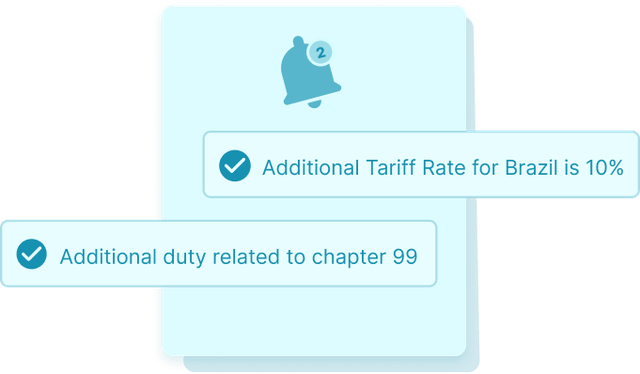
Import Requirements
Soybean meal
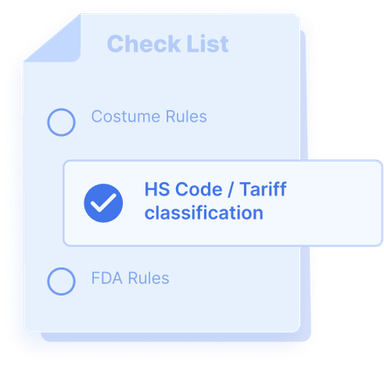
Import Data
Soybean meal


AI Insight
Plastic Bucket under HS Code 3924-24 shows growing demand in 12 emerging markets with favorable duty rates and limited competition. Our AI has identified key compliance requirements, optimal sourcing regions, and upcoming tariff changes that could impact your margins. See the complete analysis to discover specific opportunities.










Market
Opportunities
Top 5 Partners by Quantity
 United States
 Australia
 India
India Canada


Soybean meal HS Code description
Soybean meal harmonized system code
Product Overview Soybean meal classified under HS Code 120810 refers to the residual product obtained after the extraction of oil from whole soybeans, primarily used as a high-protein feed ingredient. This product is typically available in defatted or partially defatted forms, with protein content ranging between 44% to 48%, and moisture levels controlled below 12% to ensure stability during storage and transport. Physically, soybean meal is presented as a finely ground powder or pellets, exhibiting uniform particle size and low fiber content, which enhances digestibility in animal nutrition. The HS Code 120810 encompasses several subcategories differentiated by their oil content and processing methods, including full-fat soybean meal, solvent-extracted meal, and mechanically pressed cake. Commercially, soybean meal is predominantly utilized in livestock feed formulations across poultry, swine, and cattle industries, but also serves as a protein supplement in aquaculture and pet food sectors. Its competitive advantage lies in its balanced amino acid profile, cost-effectiveness, and widespread availability, making it a fundamental commodity in global feed ingredient markets. HS Code Classification & Trade Specifications The HS Code 120810 is structured hierarchically: Chapter 12 covers "Oil seeds and oleaginous fruits," Heading 1208 pertains to "Soybean oil-cake and other solid residues," and Subheading 120810 specifically identifies "Soybean meal and other solid residues, whether or not ground or in the form of pellets." This classification is assigned based on the product’s origin as a solid residue from soybean oil extraction, distinguishing it from raw soybeans (HS 1201) and soybean oil (HS 1507). Trade practices typically involve packaging soybean meal in multi-layered polypropylene bags ranging from 25 kg to 50 kg, often palletized to facilitate handling and reduce moisture ingress. Preservation protocols mandate moisture below 12% and storage in dry, ventilated warehouses to prevent microbial growth and quality degradation during transit. Quality standards align with international regulations such as ISO 9001 for quality management and comply with WTO agreements and Codex Alimentarius guidelines where applicable. Comprehensive product documentation including certificates of analysis (COA), phytosanitary certificates, and customs declarations are essential to ensure seamless cross-border trade and regulatory compliance.
Soybean meal Chapter Note
1.- Heading 12.07 applies, inter alia, to palm nuts and kernels, cotton seeds, castor oil seeds, sesamum seeds, mustard seeds, safflower seeds, poppy seeds and shea nuts (karite nuts). It does not apply to products of heading 08.01 or 08.02 or to olives (Chapter 7 or Chapter 20). 2.- Heading 12.08 applies not only to non-defatted flours and meals but also to flours and meals which have been partially defatted or defatted and wholly or partially refatted with their original oils. It does not, however, apply to residues of headings 23.04 to 23.06. 3.- For the purposes of heading 12.09, beet seeds, grass and other herbage seeds, seeds of ornamental flowers, vegetable seeds, seeds of forest trees, seeds of fruit trees, seeds of vetches (other than those of the species Vicia faba) or of lupines are to be regarded as “seeds of a kind used for sowing”. Heading 12.09 does not, however, apply to the following even if for sowing : (a) Leguminous vegetables or sweet corn (Chapter 7); (b) Spices or other products of Chapter 9; (c) Cereals (Chapter 10); or (d) Products of headings 12.01 to 12.07 or 12.11. 4.- Heading 12.11 applies, inter alia, to the following plants or parts thereof : basil, borage, ginseng, hyssop, liquorice, all species of mint, rosemary, rue, sage and wormwood. Heading 12.11 does not, however, apply to : (a) Medicaments of Chapter 30; (b) Perfumery, cosmetic or toilet preparations of Chapter 33; or (c) Insecticides, fungicides, herbicides, disinfectants or similar products of heading 38.08. 5.- For the purposes of heading 12.12, the term “seaweeds and other algae” does not include : (a) Dead single-cell micro-organisms of heading 21.02; (b) Cultures of micro-organisms of heading 30.02; or (c) Fertilisers of heading 31.01 or 31.05.