

Steel brush Hs Code
HS Code: 9603.90
steel brush classified under HS code 9603.90
Descriptions like this can miss product-specific details. Confirm your code with Deepbeez's HS code finder.
Chapter
96Miscellaneous manufactured articles
Heading
9603Brooms, brushes (including brushes constituting parts of machines, appliances or vehicles), hand-operated mechanical floor sweepers, not motorized, mops and feather dusters , Prepared knots and tufts for broom or brush making , Paint pads and rollers , Squeegees (other than roller squeegees)
Sub Heading
9603.90Other than brooms and brushes, consisting of twigs or other vegetable materials bound together, with or without handles, toothbrushes, shaving brushes, hair brushes, nail brushes, eyelash brushes and other toilet brushes for use on the person, including such brushes constituting parts of appliances, artists' brushes, writing brushes and similar brushes for the application of cosmetics, paint, distemper, varnish or similar brushes (other than brushes of subheading 9603.30) , Paint pads and rollers, and other brushes constituting parts of machines, appliances or vehicles

DeepBeez

Founded in 2025
Tariff Tracker
Steel brush
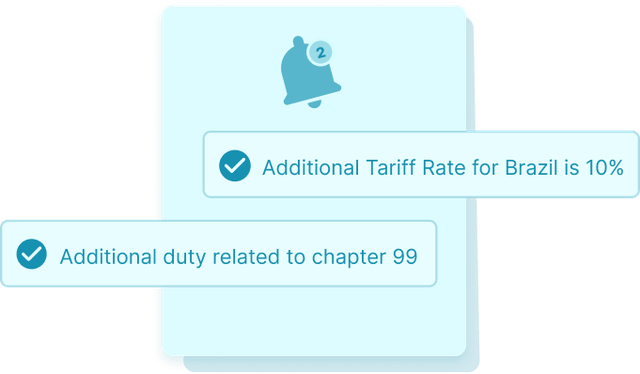
Import Requirements
Steel brush
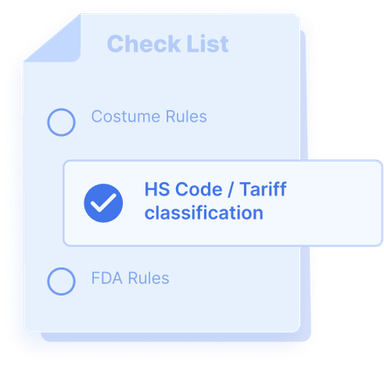
Import Data
Steel brush


AI Insight
Plastic Bucket under HS Code 3924-24 shows growing demand in 12 emerging markets with favorable duty rates and limited competition. Our AI has identified key compliance requirements, optimal sourcing regions, and upcoming tariff changes that could impact your margins. See the complete analysis to discover specific opportunities.










Market
Opportunities
Top 5 Partners by Quantity
 United States
 Australia
 India
India Canada


Steel brush HS Code description
Steel brush harmonized system code
Product Overview Steel brushes classified under HS Code 960390 are hand tools constructed primarily with steel wire bristles affixed to a handle or backing plate, designed for rigorous surface cleaning and preparation tasks. These brushes typically feature bristle diameters ranging from 0.15 mm to 0.50 mm, with variations in wire hardness and tensile strength to suit diverse industrial requirements. Manufactured through processes including wire drawing, crimping, and secure anchoring to wooden, plastic, or metal handles, these products exhibit high corrosion resistance and mechanical durability. The HS Code 960390 encompasses non-electric brushes not elsewhere specified, including wire brushes and similar articles for cleaning or polishing. Subcategories within this classification differentiate brushes by bristle material (steel wire, brass wire, other metal wires) and intended industrial use. Commercially, steel brushes are extensively utilized in food processing for equipment sanitation, in retail for maintenance of metal surfaces, and across manufacturing sectors for deburring, rust removal, and surface conditioning. Their robust construction and efficacy in abrasive cleaning position them as essential tools in international supply chains, offering reliability and compliance with hygiene and safety standards. HS Code Classification & Trade Specifications The steel brush falls under the Harmonized System Code 960390, where '96' denotes the Chapter for “Miscellaneous Manufactured Articles,” '03' specifies “Brooms, brushes, and mops,” and '90' identifies “Other brushes (including brushes constituting parts of machines, appliances or vehicles), not elsewhere specified.” This classification is appropriate due to the brush’s non-electric nature and use of metal wire bristles, distinguishing it from synthetic or electric variants. Trade considerations for these products include packaging in moisture-resistant materials such as sealed plastic sleeves or corrugated boxes with desiccants to prevent corrosion during transit. Standard shipping units typically involve bulk cartons containing multiples of uniform size and weight, with dimensions and gross weight declared per customs requirements. Quality standards align with ISO 9001 manufacturing protocols and, where applicable, NSF certifications for brushes used in food-contact environments. Compliance with WTO trade facilitation agreements ensures accurate documentation, tariff classification, and valuation. The durability and precise classification of steel brushes under HS Code 960390 facilitate streamlined customs clearance and support efficient international commerce.
Steel brush Chapter Note
1.- This Chapter does not cover : (a) Pencils for cosmetic or toilet uses (Chapter 33); (b) Articles of Chapter 66 (for example, parts of umbrellas or walking-sticks); (c) Imitation jewellery (heading 71.17); (d) Parts of general use, as defined in Note 2 to Section XV, of base metal (Section XV), or similar goods of plastics (Chapter 39); (e) Cutlery or other articles of Chapter 82 with handles or other parts of carving or moulding materials; heading 96.01 or 96.02 applies, however, to separately presented handles or other parts of such articles; (f) Articles of Chapter 90 (for example, spectacle frames (heading 90.03), mathematical drawing pens (heading 90.17), brushes of a kind specialised for use in dentistry or for medical, surgical or veterinary purposes (heading 90.18)); (g) Articles of Chapter 91 (for example, clock or watch cases); (h) Musical instruments or parts or accessories thereof (Chapter 92); (ij) Articles of Chapter 93 (arms and parts thereof); (k) Articles of Chapter 94 (for example, furniture, luminaires and lighting fittings); (l) Articles of Chapter 95 (toys, games, sports requisites); or (m) Works of art, collectors' pieces or antiques (Chapter 97). 2.- In heading 96.02 the expression “vegetable or mineral carving material” means : (a) Hard seeds, pips, hulls and nuts and similar vegetable materials of a kind used for carving (for example, corozo and dom); (b) Amber, meerschaum, agglomerated amber and agglomerated meerschaum, jet and mineral substitutes for jet. 3.- In heading 96.03 the expression “prepared knots and tufts for broom or brush making” applies only to unmounted knots and tufts of animal hair, vegetable fibre or other material, which are ready for incorporation without division in brooms or brushes, or which require only such further minor processes as trimming to shape at the top, to render them ready for such incorporation. 4.- Articles of this Chapter, other than those of headings 96.01 to 96.06 or 96.15, remain classified in the Chapter whether or not composed wholly or partly of precious metal or metal clad with precious metal, of natural or cultured pearls, or precious or semi-precious stones (natural, synthetic or reconstructed). However, headings 96.01 to 96.06 and 96.15 include articles in which natural or cultured pearls, precious or semi-precious stones (natural, synthetic or reconstructed), precious metal or metal clad with precious metal constitute only minor constituents.