


Steel frame Hs Code
HS Code: 7308.90
steel frame classified under HS code 7308.90
Chapter
73Iron or steel articles
Heading
7308Structures (excluding prefabricated buildings of heading 9406) and parts of structures (for example, bridges and bridge sections, lock gates, towers, lattice masts, roofs, roofing frameworks, doors and windows and their frames and thresholds for doors, shutters, balustrades, pillars and columns) of iron or steel , Plates, rods, angles, shapes, sections, tubes and the like, prepared for use in structures, of iron or steel
Sub Heading
7308.90Other than bridges and bridge sections, towers and lattice masts, doors, windows and their frames and thresholds for doors, and equipment for scaffolding, shuttering, propping or pit- propping

DeepBeez

Founded in 2025
Tariff Tracker
Steel frame
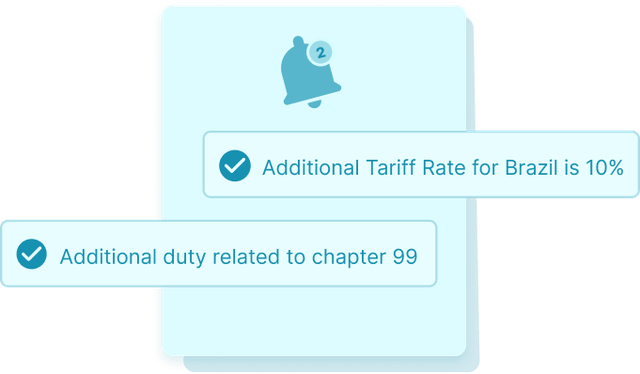
Import Requirements
Steel frame

Import Data
Steel frame


AI Insight
Plastic Bucket under HS Code 3924-24 shows growing demand in 12 emerging markets with favorable duty rates and limited competition. Our AI has identified key compliance requirements, optimal sourcing regions, and upcoming tariff changes that could impact your margins. See the complete analysis to discover specific opportunities.










Market
Opportunities
Top 5 Partners by Quantity
 United States
 Australia
 India
India Canada


Steel frame HS Code description
Steel frame harmonized system code
Product Overview Steel frames classified under HS Code 730890 refer to fabricated structural components made primarily from carbon steel or alloy steel, designed to provide rigid support in various industrial and commercial applications. These frames are typically produced through advanced metalworking processes such as cutting, welding, machining, and surface treatment to ensure dimensional accuracy and structural integrity. Key physical specifications include tensile strength ranging from 350 to 550 MPa, thicknesses between 3 mm and 20 mm, and customizable dimensions to meet specific engineering requirements. The product classification under 730890 encompasses steel structures and parts thereof, excluding those specifically covered by other subheadings related to prefabricated buildings or iron frameworks. Commercially, steel frames are integral to sectors such as food processing plants, retail infrastructure, and heavy machinery support systems, owing to their durability, corrosion resistance (often enhanced by galvanization or powder coating), and load-bearing capacity. Their competitive advantage lies in their compliance with international quality standards, adaptability to modular construction, and cost-effective manufacturability, making them a preferred choice for importers and exporters engaged in global supply chains. HS Code Classification & Trade Specifications The steel frame falls under the Harmonized System (HS) Code 730890, where “73” designates Chapter 73 covering “Articles of iron or steel,” “08” identifies Heading 7308 for “Structures (excluding prefabricated buildings) and parts of structures,” and “90” specifies Subheading 7308.90 for “Other structures and parts of structures, of iron or steel.” This classification is based on the product’s primary composition and its function as a structural component rather than a finished building or assembly. For international trade, packaging typically involves protective crating or bundling with corrosion inhibitors to prevent oxidation during transit. Preservation methods may include oil coating or plastic wrapping, depending on shipment duration and destination climate. Shipping requirements emphasize secure fastening to avoid deformation and compliance with weight restrictions stipulated by carriers. Quality standards conform to ISO 9001 manufacturing protocols, ASTM A36 or EN 1090 material specifications, and WTO trade facilitation agreements, ensuring smooth customs clearance and regulatory adherence. Accurate HS classification under 730890 is essential for tariff determination, import/export documentation, and compliance with international trade regulations.
Steel frame Chapter Note
1.- In this Chapter the expression “cast iron” applies to products obtained by casting in which iron predominates by weight over each of the other elements and which do not comply with the chemical composition of steel as defined in Note 1 (d) to Chapter 72. 2.- In this Chapter the word “wire” means hot or cold-formed products of any cross-sectional shape, of which no cross-sectional dimension exceeds 16 mm.