


Sweetener Hs Code
HS Code: 1702.90
sweetener classified under HS code 1702.90
Chapter
17Sugars and sugar confectionery
Heading
1702Other sugars, including chemically pure lactose, maltose, glucose and fructose, in solid form , Sugar syrups not containing added flavoring or coloring matter , Artificial honey, whether or not mixed with natural honey , Caramel
Sub Heading
1702.90Other, including invert sugar and other sugar and sugar syrup blends containing in the dry state 50 percent by weight of fructose

DeepBeez

Founded in 2025
Tariff Tracker
Sweetener
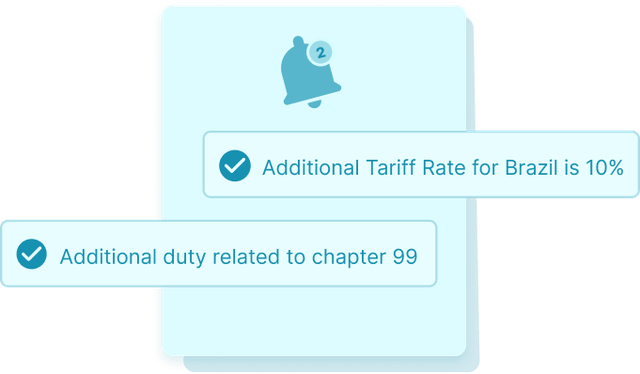
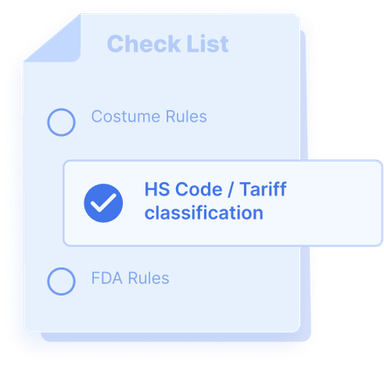
Import Requirements
Sweetener

Import Data
Sweetener


AI Insight
Plastic Bucket under HS Code 3924-24 shows growing demand in 12 emerging markets with favorable duty rates and limited competition. Our AI has identified key compliance requirements, optimal sourcing regions, and upcoming tariff changes that could impact your margins. See the complete analysis to discover specific opportunities.










Market
Opportunities
Top 5 Partners by Quantity
 United States
 Australia
 India
India Canada


Sweetener HS Code description
Sweetener harmonized system code
Product Overview Sweeteners classified under HS Code 170290 encompass a range of sugar substitutes primarily derived from sucrose, including chemically refined and unrefined forms suitable for direct human consumption or further industrial processing. These products are characterized by their granular or crystalline physical state, with moisture content typically below 0.5%, and purity levels exceeding 99% sucrose equivalent. Processing levels vary from raw sugar crystals to refined and bleached variants, each meeting stringent quality parameters such as color grade, ash content, and solubility to ensure consistency and compliance with food safety regulations. The subcategories within this HS Code include chemically pure sucrose, chemically pure fructose, invert sugar, and other sweetening preparations not elsewhere specified. Commercially, these sweeteners serve as essential ingredients in food service sectors, retail packaged goods, confectionery manufacturing, beverage production, and pharmaceutical formulations, offering consistent sweetness profiles and functional properties. Their global market positioning is underscored by standardized quality benchmarks, traceability, and compatibility with diverse processing systems, providing importers and exporters with reliable raw material options tailored for international trade. HS Code Classification & Trade Specifications The HS Code 170290 falls under Chapter 17: “Sugars and Sugar Confectionery,” Heading 1702: “Other sugars, including chemically pure lactose, maltose, glucose and fructose, in solid form; sugar syrups not containing added flavouring or colouring matter; artificial honey, whether or not mixed with natural honey; caramel.” The subheading 170290 specifically designates “Other sugars” excluding those classified under more specific codes such as refined sugar (1701). This classification is based on the chemical composition and physical form of the sweetener, aligning with the Harmonized System’s criteria for product differentiation. Trade considerations include standardized packaging formats such as multi-layer kraft paper bags with polyethylene liner or bulk flexible intermediate bulk containers (FIBCs), designed to maintain product integrity and moisture control during transit. Preservation methods focus on humidity control and contamination prevention, adhering to ISO and Codex Alimentarius standards. Quality assurance protocols mandate certification of origin, laboratory testing for purity and contaminants, and compliance with WTO Sanitary and Phytosanitary (SPS) measures, facilitating seamless customs clearance and global distribution. This classification supports accurate tariff application, regulatory compliance, and efficient supply chain management in international commerce.
Sweetener Chapter Note
1.- This Chapter does not cover : (a) Sugar confectionery containing cocoa (heading 18.06); (b) Chemically pure sugars (other than sucrose, lactose, maltose, glucose and fructose) or other products of heading 29.40; or (c) Medicaments or other products of Chapter 30. Subheading Notes. 1.- For the purposes of subheadings 1701.12, 1701.13 and 1701.14, “raw sugar” means sugar whose content of sucrose by weight, in the dry state, corresponds to a polarimeter reading of less than 99.5. 2.- Subheading 1701.13 covers only cane sugar obtained without centrifugation, whose content of sucrose by weight, in the dry state, corresponds to a polarimeter reading of 69° or more but less than 93°. The product contains only natural anhedral microcrystals, of irregular shape, not visible to the naked eye, which are surrounded by residues of molasses and other constituents of sugar cane.