


Tapioca starch Hs Code
HS Code: 1108.14
tapioca starch classified under HS code 1108.14
Chapter
11Products of the milling industry , Malt, starches, inulin, wheat gluten
Heading
1108Starches , Inulin
Sub Heading
1108.14Starches cassava (manioc) starch

DeepBeez

Founded in 2025
Tariff Tracker
Tapioca starch
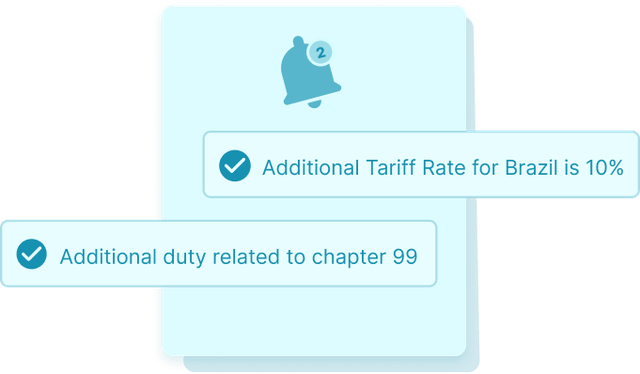
Import Requirements
Tapioca starch
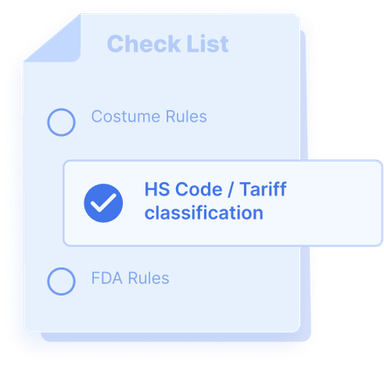

Import Data
Tapioca starch


AI Insight
Plastic Bucket under HS Code 3924-24 shows growing demand in 12 emerging markets with favorable duty rates and limited competition. Our AI has identified key compliance requirements, optimal sourcing regions, and upcoming tariff changes that could impact your margins. See the complete analysis to discover specific opportunities.










Market
Opportunities
Top 5 Partners by Quantity
 United States
 Australia
 India
India Canada


Tapioca starch HS Code description
Tapioca starch harmonized system code
Product Overview Tapioca starch, classified under HS Code 110814, is a refined carbohydrate powder extracted from the cassava root (Manihot esculenta). This product is characterized by its fine, white to off-white granules with a neutral odor and bland taste. Typically processed through washing, wet milling, and drying, tapioca starch exhibits high purity levels, with moisture content generally below 14%, and amylose content ranging from 17% to 22%, contributing to its excellent gelatinization properties. Under the HS Code 110814, tapioca starch is categorized as a native starch derived from roots and tubers, distinct from modified starches or starches from cereals. Commercially, it serves as a thickening, gelling, and stabilizing agent widely applied in food processing sectors such as bakery, confectionery, sauces, and gluten-free products. Additionally, its use extends to pharmaceutical formulations and paper manufacturing. The product’s competitive advantage lies in its hypoallergenic profile, high digestibility, and functional versatility, making it a preferred ingredient in both industrial-scale food production and niche specialty markets. HS Code Classification & Trade Specifications The HS Code 110814 falls within Chapter 11 (Products of the Milling Industry; Starches; Inulin) and specifically under Heading 1108, which covers starches and inulin. The full six-digit code 110814 designates tapioca (cassava) starch, differentiating it from other starches such as maize (110812) or wheat (110822). Classification under 110814 is based on the raw botanical source and processing method, which excludes modified or chemically altered starches classified elsewhere. For international trade, tapioca starch is commonly packaged in multi-layer kraft paper bags with polyethylene liners or bulk jumbo bags to ensure moisture resistance and contamination prevention. Preservation standards require maintaining moisture content below 14% to inhibit microbial growth and preserve functional properties during transit. Shipping conditions typically involve dry, ventilated containers with temperature control to avoid caking or degradation. Compliance with Codex Alimentarius standards for starch purity and WTO regulations on tariff classification and documentation ensures smooth customs clearance. Quality certifications such as ISO 9001 and HACCP are often provided to meet buyer and regulatory requirements in global markets.
Tapioca starch Chapter Note
1.- This Chapter does not cover : (a) Roasted malt put up as coffee substitutes (heading 09.01 or 21.01); (b) Prepared flours, groats, meals or starches of heading 19.01; (c) Corn flakes or other products of heading 19.04; (d) Vegetables, prepared or preserved, of heading 20.01, 20.04 or 20.05; (e) Pharmaceutical products (Chapter 30); or (f) Starches having the character of perfumery, cosmetic or toilet preparations (Chapter 33). 2.- (A) Products from the milling of the cereals listed in the table below fall in this Chapter if they have, by weight on the dry product : (a) a starch content (determined by the modified Ewers polarimetric method) exceeding that indicated in Column (2); and (b) an ash content (after deduction of any added minerals) not exceeding that indicated in Column (3). Otherwise, they fall in heading 23.02. However, germ of cereals, whole, rolled, flaked or ground, is always classified in heading 11.04. (B) Products falling in this Chapter under the above provisions shall be classified in heading 11.01 or 11.02 if the percentage passing through a woven metal wire cloth sieve with the aperture indicated in Column (4) or (5) is not less, by weight, than that shown against the cereal concerned. Otherwise, they fall in heading 11.03 or 11.04. 3.- For the purposes of heading 11.03, the terms “groats” and “meal” mean products obtained by the fragmentation of cereal grains, of which : (a) in the case of maize (corn) products, at least 95 % by weight passes through a woven metal wire cloth sieve with an aperture of 2 mm; (b) in the case of other cereal products, at least 95 % by weight passes through a woven metal wire cloth sieve with an aperture of 1.25 mm.