


Tea towel Hs Code
HS Code: 6302.91
tea towel classified under HS code 6302.91
Chapter
63Textiles, made up articles , Sets , Worn clothing and worn textile articles , Rags
Heading
6302Bed linen, table linen, toilet linen and kitchen linen
Sub Heading
6302.91Other than bed linen, knitted or crocheted, other bed linen, printed, other bed linen, table linen, knitted or crocheted, other table linen, and toilet linen and kitchen linen, of terry toweling or similar terry fabrics, of cotton of cotton

DeepBeez

Founded in 2025
Tariff Tracker
Tea towel
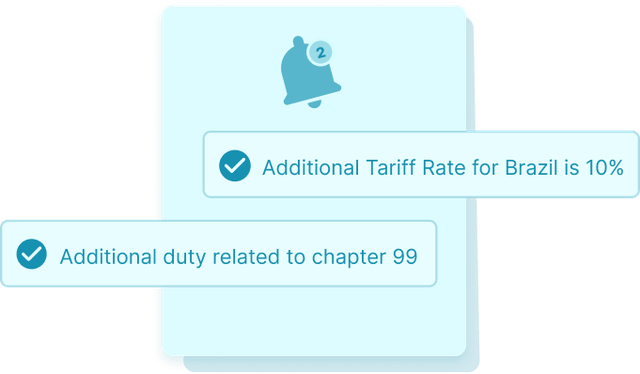
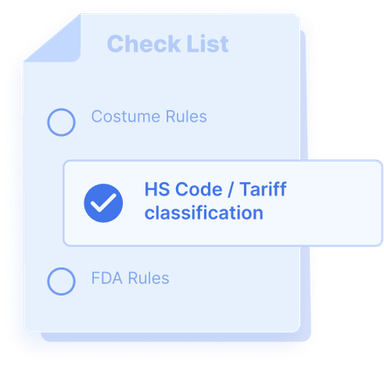
Import Requirements
Tea towel
Import Data
Tea towel


AI Insight
Plastic Bucket under HS Code 3924-24 shows growing demand in 12 emerging markets with favorable duty rates and limited competition. Our AI has identified key compliance requirements, optimal sourcing regions, and upcoming tariff changes that could impact your margins. See the complete analysis to discover specific opportunities.










Market
Opportunities
Top 5 Partners by Quantity
 United States
 Australia
 India
India Canada


Tea towel HS Code description
Tea towel harmonized system code
Product Overview Tea towels classified under HS Code 630291 are defined as woven or knitted textile articles primarily composed of cotton, linen, or blended fibers, designed for drying dishes, utensils, and kitchen surfaces. These products typically measure between 40 cm x 60 cm and 70 cm x 90 cm, exhibiting medium to high thread count (150–300 threads per inch) to ensure absorbency and durability. Processing includes bleaching, dyeing, and sometimes printing or embroidery to meet functional and aesthetic requirements. HS Code 630291 encompasses subcategories such as unbleached plain tea towels, printed or patterned varieties, and those with decorative borders. Commercially, tea towels serve essential roles in food service establishments, retail kitchens, and food processing sectors, facilitating hygiene and operational efficiency. Their competitive advantage lies in combining high absorbency, quick-drying properties, and compliance with food safety standards, positioning them as indispensable tools in both professional and domestic environments. HS Code Classification & Trade Specifications The full HS Code 630291 falls under Chapter 63 (Other made-up textile articles; sets; worn clothing and worn textile articles), Heading 6302 (Bed linen, table linen, toilet linen and kitchen linen), Subheading 630291 (Kitchen linen, of cotton). This classification is based on the product’s composition (cotton fibers), intended use (kitchen linen), and manufacturing method (woven or knitted). Trade professionals recognize this code as encompassing standardized textile articles designed for kitchen use, facilitating uniform customs treatment worldwide. Common packaging involves flat packing in moisture-resistant polyethylene bags or corrugated cartons, preserving product integrity during transit. Preservation methods adhere to international standards, ensuring the linen remains free from contamination and moisture damage. Quality standards align with ISO 105-C06 for colorfastness and ISO 6330 for domestic washing and drying procedures, guaranteeing compliance with WTO technical barriers to trade (TBT) agreements. Documentation for customs clearance routinely references this HS code to expedite classification and tariff application.
Tea towel Chapter Note
1.- Sub-Chapter I applies only to made up articles, of any textile fabric. 2.- Sub-Chapter I does not cover : (a) Goods of Chapters 56 to 62; or (b) Worn clothing or other worn articles of heading 63.09. 3.- Heading 63.09 applies only to the following goods : (a) Articles of textile materials : (i) Clothing and clothing accessories, and parts thereof; (ii) Blankets and travelling rugs; (iii) Bed linen, table linen, toilet linen and kitchen linen; (iv) Furnishing articles, other than carpets of headings 57.01 to 57.05 and tapestries of heading 58.05; (b) Footwear and headgear of any material other than asbestos. In order to be classified in this heading, the articles mentioned above must comply with both of the following requirements : (i) they must show signs of appreciable wear, and (ii) they must be presented in bulk or in bales, sacks or similar packings.