


Water treatment chemicals Hs Code
HS Code: 3824.99
water treatment chemicals classified under HS code 3824.99
Chapter
38Chemical products n.e.c.
Heading
3824Prepared binders for foundry molds or cores , Chemical products and preparations of the chemical or allied industries (including those consisting of mixtures of natural products), not elsewhere specified or included
Sub Heading
3824.99Other than prepared binders for foundry molds or cores, nonagglomerated metal carbides mixed together or with metallic binders, prepared additives for cements, mortars or concretes, nonrefractory mortars and concretes, sorbitol other than that of subheading 2905.44, and goods specified in subheading note 3 to this chapter other than mixtures and preparations consisting mainly of (5-ethyl-2-methyl-2-oxido3,2-dioxaphosphinan-5-yl)methyl methylphosphonate and bis(5-ethyl-2-methyl-2-oxido-1,3,2-dioxaphosphinan-5-yl)methyl methylphosphonate and polyglycol esters of methylphosphonic acid.

DeepBeez

Founded in 2025
Tariff Tracker
Water treatment chemicals
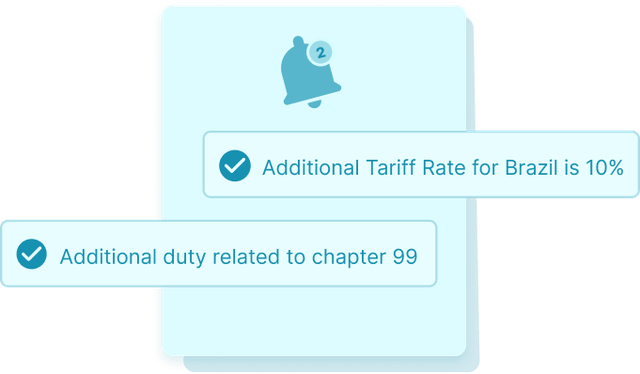
Import Requirements
Water treatment chemicals
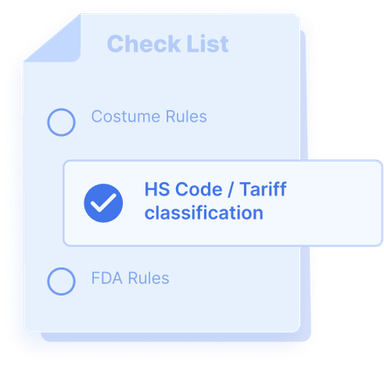

Import Data
Water treatment chemicals


AI Insight
Plastic Bucket under HS Code 3924-24 shows growing demand in 12 emerging markets with favorable duty rates and limited competition. Our AI has identified key compliance requirements, optimal sourcing regions, and upcoming tariff changes that could impact your margins. See the complete analysis to discover specific opportunities.










Market
Opportunities
Top 5 Partners by Quantity
 United States
 Australia
 India
India Canada


Water treatment chemicals HS Code description
Water treatment chemicals harmonized system code
Product Overview Water treatment chemicals classified under HS Code 382499 encompass a range of synthetic and semi-synthetic chemical formulations specifically engineered to improve water quality by controlling contaminants, scaling, corrosion, and microbial growth. These products include, but are not limited to, coagulants, flocculants, biocides, scale inhibitors, and pH adjusters. Physically, they are typically supplied as powders, granules, liquids, or concentrates, with purity levels and active ingredient concentrations rigorously controlled to meet industrial standards. These chemicals undergo advanced processing techniques such as polymerization, neutralization, and stabilization to ensure consistent efficacy and stability. The HS Code 382499 broadly covers other chemical products not elsewhere specified, under which water treatment chemicals are further categorized based on their chemical nature and function. Their primary commercial applications are found in municipal water treatment plants, industrial processing facilities, food and beverage manufacturing, and retail water purification systems. These chemicals offer precise contaminant control and process optimization, delivering measurable improvements in water quality and operational efficiency, which positions them competitively in the global market for sustainable water management solutions. HS Code Classification & Trade Specifications The HS Code 382499 falls under Chapter 38 (Chemical Products), Heading 38.24 (Prepared binders for foundry molds or cores; chemical products and preparations of the chemical or allied industries, not elsewhere specified or included), with subheading 3824.99 (Other chemical products and preparations). This classification is applied to water treatment chemicals that do not fit into more specific subheadings but are essential chemical preparations used for water quality control. The rationale for this classification stems from the chemical composition and intended industrial use, aligning with WTO Harmonized System guidelines for trade facilitation and customs compliance. Typical packaging formats include polyethylene drums, fiberboard barrels, and bulk containers equipped for moisture and contamination protection. Preservation methods focus on maintaining chemical stability, often involving inert atmosphere sealing or refrigeration where necessary. Shipping regulations comply with international hazardous materials standards when applicable, including proper labeling and documentation. Quality standards adhere to ISO 9001 manufacturing controls and industry-specific certifications such as NSF/ANSI for drinking water treatment chemicals, ensuring reproducibility, safety, and regulatory conformity across international markets. This comprehensive classification and trade specification framework supports accurate customs declaration and efficient cross-border movement.
Water treatment chemicals Chapter Note
1.- This Chapter does not cover : (a) Separate chemically defined elements or compounds with the exception of the following : (1) Artificial graphite (heading 38.01); (2) Insecticides, rodenticides, fungicides, herbicides, anti-sprouting products and plant-growth regulators, disinfectants and similar products, put up as described in heading 38.08; (3) Products put up as charges for fire-extinguishers or put up in fire-extinguishing grenades (heading 38.13); (4) Certified reference materials specified in Note 2 below; (5) Products specified in Note 3 (a) or 3 (c) below; (b) Mixtures of chemicals with foodstuffs or other substances with nutritive value, of a kind used in the preparation of human foodstuffs (generally heading 21.06); (c) Products of heading 24.04; (d) Slag, ash and residues (including sludges, other than sewage sludge), containing metals, arsenic or their mixtures and meeting the requirements of Note 3 (a) or 3 (b) to Chapter 26 (heading 26.20); (e) Medicaments (heading 30.03 or 30.04); or (f) Spent catalysts of a kind used for the extraction of base metals or for the manufacture of chemical compounds of base metals (heading 26.20), spent catalysts of a kind used principally for the recovery of precious metal (heading 71.12) or catalysts consisting of metals or metal alloys in the form of, for example, finely divided powder or woven gauze (Section XIV or XV). 2.- (A) For the purpose of heading 38.22, the expression “certified reference materials” means reference materials which are accompanied by a certificate which indicates the values of the certified properties, the methods used to determine these values and the degree of certainty associated with each value and which are suitable for analytical, calibrating or referencing purposes. (B) With the exception of the products of Chapter 28 or 29, for the classification of certified reference materials, heading 38.22 shall take precedence over any other heading in the Nomenclature. 3.- Heading 38.24 includes the following goods which are not to be classified in any other heading of the Nomenclature : (a) Cultured crystals (other than optical elements) weighing not less than 2.5 g each, of magnesium oxide or of the halides of the alkali or alkaline-earth metals; (b) Fusel oil; Dippel's oil; (c) Ink removers put up in packings for retail sale; (d) Stencil correctors, other correcting fluids and correction tapes (other than those of heading 96.12), put up in packings for retail sale; and (e) Ceramic firing testers, fusible (for example, Seger cones). 4.- Throughout the Nomenclature, “municipal waste” means waste of a kind collected from households, hotels, restaurants, hospitals, shops, offices, etc., road and pavement sweepings, as well as construction and demolition waste. Municipal waste generally contains a large variety of materials such as plastics, rubber, wood, paper, textiles, glass, metals, food materials, broken furniture and other damaged or discarded articles. The term “municipal waste”, however, does not cover : (a) Individual materials or articles segregated from the waste, for example wastes of plastics, rubber, wood, paper, textiles, glass or metals, electrical and electronic waste and scrap (including spent batteries) which fall in their appropriate headings of the Nomenclature; (b) Industrial waste;(c) Waste pharmaceuticals, as defined in Note 4 (k) to Chapter 30; or (d) Clinical waste, as defined in Note 6 (a) below. 5.- For the purposes of heading 38.25, “sewage sludge” means sludge arising from urban effluent treatment plant and includes pre-treatment waste, scourings and unstabilised sludge. Stabilised sludge when suitable for use as fertiliser is excluded (Chapter 31). 6.- For the purposes of heading 38.25, the expression “other wastes” applies to : (a) Clinical waste, that is, contaminated waste arising from medical research, diagnosis, treatment or other medical, surgical, dental or veterinary procedures, which often contain pathogens and pharmaceutical substances and require special disposal procedures (for example, soiled dressings, used gloves and used syringes); (b) Waste organic solvents; (c) Wastes of metal pickling liquors, hydraulic fluids, brake fluids and anti-freezing fluids; and (d) Other wastes from chemical or allied industries. The expression “other wastes” does not, however, cover wastes which contain mainly petroleum oils or oils obtained from bituminous minerals (heading 27.10). 7.- For the purposes of heading 38.26, the term “biodiesel” means mono-alkyl esters of fatty acids of a kind used as a fuel, derived from animal, vegetable or microbial fats and oils whether or not used.