


White wine|HS Code
White Wine belong to HS heading 2204, but the exact 6-digit code depends on your product specifications. Let our AI tool analyze your product details and provide the precise HS code and tariff information.
White Wine HS Codes
Other grape must
Other wine; grape must with fermentation prevented or arrested by the addition of alcohol In containers holding 2 liters or less
Other wine; grape must with fermentation prevented or arrested by the addition of alcohol Other than In containers holding 2 liters or less and In containers holding more than 2 liters but not more than 10 liters
Sparkling wine
Other wine; grape must with fermentation prevented or arrested by the addition of alcohol In containers holding more than 2 liters but not more than 10 liters

DeepBeez

Founded in 2025
Tariff Tracker
White wine
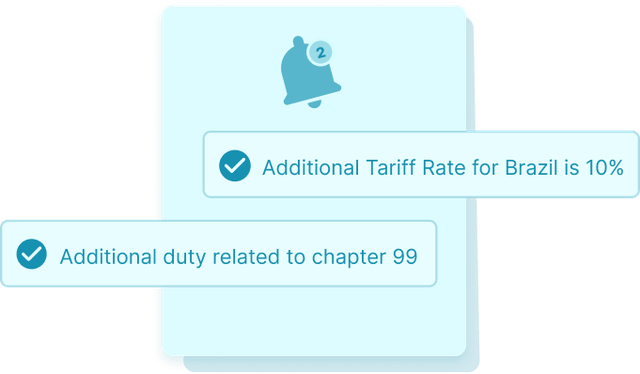
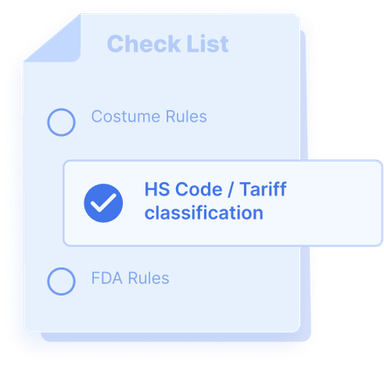
Import Requirements
White wine

Import Data
White wine


AI Insight
Plastic Bucket under HS Code 3924-24 shows growing demand in 12 emerging markets with favorable duty rates and limited competition. Our AI has identified key compliance requirements, optimal sourcing regions, and upcoming tariff changes that could impact your margins. See the complete analysis to discover specific opportunities.










Market
Opportunities
Top 5 Partners by Quantity
 United States
 Australia
 India
India Canada


White wine HS Code description
White wine harmonized system code
Product Overview White Wine, classified under the Harmonized System (HS) Code 2204, is a well-recognized and versatile alcoholic beverage produced through the fermentation of non-colored pulp of grapes. It is distinguished by its color, ranging from straw-yellow to gold, and its distinctive profiles, varying from dry to sweet. HS Code 2204 covers all types of wine, including sparkling wine, wine in containers holding 2 liters or less, and other wines such as Marsala, Sherry, and Port. White wine is extensively utilized in the food service industry, often employed as a cooking ingredient or paired with meals to enhance taste experiences. In retail, it is sold in brick-and-mortar stores and online platforms, consumed for its taste, and often appreciated for its potential health benefits. The product’s competitive edge lies in its vast variety, catering to a wide range of palates and preferences, and its universal appeal contributing to a consistently high global demand. HS Code Classification & Trade Specifications White Wine is assigned the 6-digit HS Code 2204, with the first two digits (22) corresponding to the chapter for Beverages, Spirits, and Vinegar, the following two digits (04) representing the heading for Wine of Fresh Grapes, and the last two digits indicating the specific product category. This classification is due to the product's unique production process involving the fermentation of fresh grapes. Trade of White Wine involves certain considerations such as packaging, typically done in glass bottles to preserve the quality, and specific shipping requirements due to its fragility and sensitivity to temperature fluctuations. Quality standards for White Wine are usually determined by factors like color, aroma, taste, and alcohol content, with several international bodies setting guidelines to ensure the consistent quality of the product. This comprehensive classification and trade description aligns with World Trade Organization regulations and international trade classification systems, providing clear, factual information to assist trade professionals in customs classification and trade documentation processes.
White wine Chapter Note
1.- This Chapter does not cover : (a) Products of this Chapter (other than those of heading 22.09) prepared for culinary purposes and thereby rendered unsuitable for consumption as beverages (generally heading 21.03); (b) Sea water (heading 25.01); (c) Distilled or conductivity water or water of similar purity (heading 28.53); (d) Acetic acid of a concentration exceeding 10 % by weight of acetic acid (heading 29.15); (e) Medicaments of heading 30.03 or 30.04; or (f) Perfumery or toilet preparations (Chapter 33). 2.- For the purposes of this Chapter and of Chapters 20 and 21, the “alcoholic strength by volume” shall be determined at a temperature of 20 C. 3.- For the purposes of heading 22.02, the term “non-alcoholic beverages” means beverages of an alcoholic strength by volume not exceeding 0.5 % vol. Alcoholic beverages are classified in headings 22.03 to 22.06 or heading 22.08 as appropriate.