
Wooden bed Hs Code
HS Code: 9403.50
wooden bed classified under HS code 9403.50
Chapter
94Furniture , Bedding, mattresses, mattress supports, cushions and similar stuffed furnishings , Lamps and lighting fittings, n.e.c. , Illuminated signs, illuminated name-plates and the like , Prefabricated buildings
Heading
9403Other furniture and parts thereof
Sub Heading
9403.50Wooden furniture of a kind used in the bedroom

DeepBeez

Founded in 2025
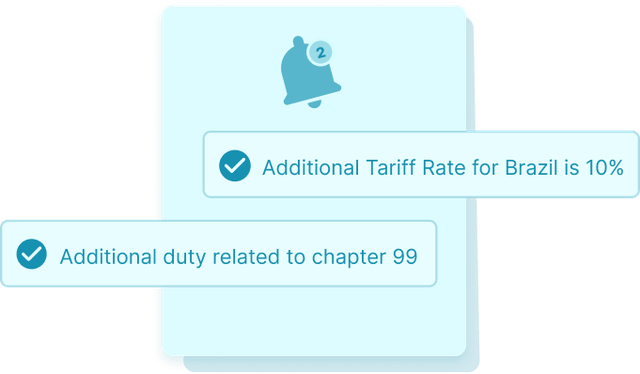
Tariff Tracker
Wooden bed
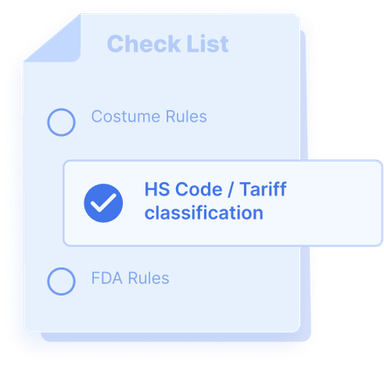
Import Requirements
Wooden bed
Import Data
Wooden bed


AI Insight
Plastic Bucket under HS Code 3924-24 shows growing demand in 12 emerging markets with favorable duty rates and limited competition. Our AI has identified key compliance requirements, optimal sourcing regions, and upcoming tariff changes that could impact your margins. See the complete analysis to discover specific opportunities.










Market
Opportunities
Top 5 Partners by Quantity
 United States
 Australia
 India
India Canada


Wooden bed HS Code description
Wooden bed harmonized system code
Product Overview Wooden beds classified under HS Code 940350 are defined as furniture items primarily constructed from solid wood or engineered wood products, designed to support mattresses and provide sleeping arrangements. These beds exhibit robust structural integrity, typically featuring dimensions compliant with standard international sizes (e.g., single: 90 x 190 cm; double: 140 x 200 cm), with surface finishes ranging from natural varnishes to laminated coatings to enhance durability and aesthetic appeal. Processing levels include precision woodworking, joint reinforcement (such as mortise and tenon or dowel joints), and application of protective sealants to meet longevity and safety standards. The HS Code 940350 encompasses wooden beds alongside wooden bedroom furniture such as bed frames, headboards, and footboards, subdivided by fixed or adjustable designs. Commercially, these beds serve both residential and hospitality sectors, including hotels, dormitories, and healthcare facilities, where durability, ergonomic design, and compliance with fire safety regulations are critical. Their market positioning emphasizes structural reliability, material sustainability (often certified by FSC or PEFC), and adaptability to diverse consumer preferences within international markets. HS Code Classification & Trade Specifications The HS Code 940350 falls within Chapter 94, titled “Furniture; bedding, mattresses, mattress supports, cushions and similar stuffed furnishings,” with Heading 9403 specifically covering “Other furniture and parts thereof.” The subheading 940350 designates “Wooden furniture of a kind used in the bedroom,” reflecting the product’s construction material and functional classification. This classification is justified by the bed’s primary composition of wood and its intended use as bedroom furniture, conforming to the Harmonized System nomenclature and WTO guidelines. Trade considerations include packaging standards involving disassembly for compact shipment, utilization of moisture-resistant wrapping materials, and protective corner guards to prevent damage during transit. Wooden beds must meet international quality standards such as ISO 9001 for manufacturing consistency and, when applicable, compliance with EN 1725 or ASTM F2057 for safety. Preservation techniques often involve kiln drying to a moisture content below 12% to prevent warping and fungal growth. Documentation accompanying shipments must detail material composition, country of origin, and conformity certificates to facilitate customs clearance and ensure adherence to import regulations across global markets.
Wooden bed Chapter Note
1.- This Chapter does not cover : (a) Pneumatic or water mattresses, pillows or cushions, of Chapter 39, 40 or 63; (b) Mirrors designed for placing on the floor or ground (for example, cheval-glasses (swing-mirrors)) of heading 70.09; (c) Articles of Chapter 71; (d) Parts of general use as defined in Note 2 to Section XV, of base metal (Section XV), or similar goods of plastics (Chapter 39), or safes of heading 83.03; (e) Furniture specially designed as parts of refrigerating or freezing equipment of heading 84.18; furniture specially designed for sewing machines (heading 84.52); (f) Lamps or light sources and parts thereof of Chapter 85; (g) Furniture specially designed as parts of apparatus of heading 85.18 (heading 85.18), of headings 85.19 or 85.21 (heading 85.22) or of headings 85.25 to 85.28 (heading 85.29); (h) Articles of heading 87.14; (ij) Dentists' chairs incorporating dental appliances of heading 90.18 or dentists' spittoons (heading 90.18); (k) Articles of Chapter 91 (for example, clocks and clock cases); (l) Toy furniture or toy luminaires and lighting fittings (heading 95.03), billiard tables or other furniture specially constructed for games (heading 95.04), furniture for conjuring tricks or decorations (other than lighting strings) such as Chinese lanterns (heading 95.05); or (m) Monopods, bipods, tripods and similar articles (heading 96.20). 2.- The articles (other than parts) referred to in headings 94.01 to 94.03 are to be classified in those headings only if they are designed for placing on the floor or ground. The following are, however, to be classified in the above-mentioned headings even if they are designed to be hung, to be fixed to the wall or to stand one on the other : (a) Cupboards, bookcases, other shelved furniture (including single shelves presented with supports for fixing them to the wall) and unit furniture; (b) Seats and beds. 3.- (A) In headings 94.01 to 94.03 references to parts of goods do not include references to sheets or slabs (whether or not cut to shape but not combined with other parts) of glass (including mirrors), marble or other stone or of any other material referred to in Chapter 68 or 69. (B) Goods described in heading 94.04, presented separately, are not to be classified in heading 94.01, 94.02 or 94.03 as parts of goods.4.- For the purposes of heading 94.06, the expression “prefabricated buildings” means buildings which are finished in the factory or put up as elements, presented together, to be assembled on site, such as housing or worksite accommodation, offices, schools, shops, sheds, garages or similar buildings. Prefabricated buildings include "modular building units" of steel, normally presented in the size and shape of a standard shipping container, but substantially or completely pre-fitted internally. Such modular building units are normally designed to be assembled together to form permanent buildings.