


Coffee|HTS Code
Coffee belongs to HTS Subheading 0901.21, but the exact 8-digit Harmonized Tariff Schedule code depends on your product specifications. Select the correct code from this list based on your product details.
Coffee, whether or not roasted or decaffeinated; coffee husks and skins; coffee substitutes containing coffee in any proportion Coffee, roasted Not decaffeinated
-

DeepBeez

Founded in 2025
Tariff Tracker
Coffee
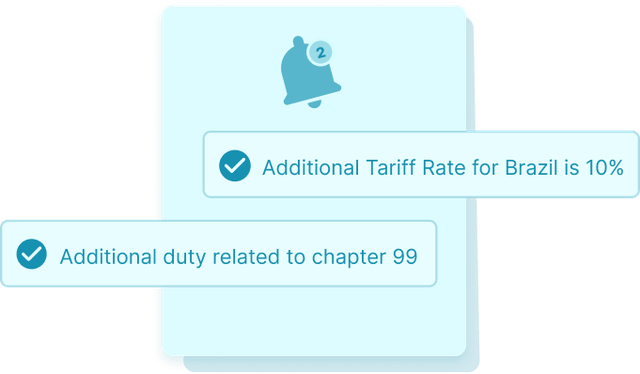
Import Requirements
Coffee
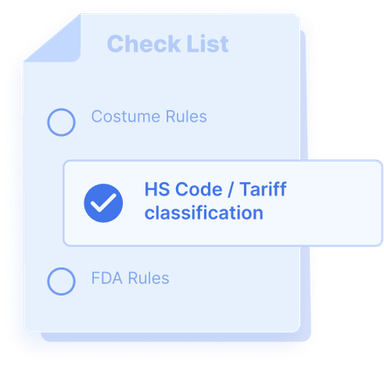

Import Data
Coffee


AI Insight
Plastic Bucket under HS Code 3924-24 shows growing demand in 12 emerging markets with favorable duty rates and limited competition. Our AI has identified key compliance requirements, optimal sourcing regions, and upcoming tariff changes that could impact your margins. See the complete analysis to discover specific opportunities.










Market
Opportunities
Top 5 Partners by Quantity
 United States
 Australia
 India
India Canada


Coffee HS Code description
Coffee harmonized system code
Product Overview: Coffee covered under HTS 0901.21 is roasted coffee that has not undergone decaffeination, inclusive of whole roasted beans, broken/fragmented roasted beans and roasted-and-ground products where roasting is the principal processing step. Physically the product exhibits thermally altered endosperm structure, reduced moisture (typically 2–5% wt/wt), and typical roast-induced mass loss of ~12–20% from green bean weight; roasted bulk density commonly ranges 0.32–0.42 g/mL. Processing levels span light, medium and dark roast profiles (measured by Agtron or roast curve parameters); particle size distributions define ground grades. Trade-quality attributes include SCA cup score (specialty threshold >80), pre‑roast green‑bean standards (SCA: 0 primary defects, ≤5 secondary defects per 300 g), roast date, aroma profile, and targeted TDS for brew/espresso specifications. Commercial subcategories within 0901.21 used by brokers and buyers typically separate whole roasted beans, broken/fragmented roasted beans, roasted & ground coffee, and flavored/solids‑added roasted coffee. Primary commercial applications include retail consumer packaging, foodservice supply, industrial blending/grinding and capsule/pod production. HTS Code Classification & Trade Specifications: HTS structure for U.S. customs is Chapter 09 (Coffee, tea, mate) → Heading 0901 (Coffee, whether or not roasted or decaffeinated) → Subheading 0901.21 — Coffee, roasted, not decaffeinated (six‑digit level). Classification rationale rests on the roasting operation that thermally modifies chemical composition and organoleptic properties and the absence of decaffeination processes, distinguishing 0901.21 from adjacent subheadings. Trade considerations for customs entry and logistics include common commercial packaging (lined jute or polypropylene 60 kg bags, 25 kg sacks, nitrogen‑flushed laminated retail pouches 250 g–1 kg, and bulk tote options), preservation methods (oxygen‑barrier films, nitrogen flushing, desiccants for ground product; target moisture <5%), and shipping requirements (dry, odor‑free containers, avoid condensation; recommended transit temps ~10–25 °C). Quality and compliance documentation typically required: commercial invoice, packing list, B/L or AWB, country of origin, certificate of analysis (moisture, roast date, cup score), FDA prior notice/FSVP compliance, and applicable U.S. 8‑/10‑digit HTS subdivisions for duty and quota assessment.
Coffee Chapter Note
1.- Mixtures of the products of headings 09.04 to 09.10 are to be classified as follows : (a) Mixtures of two or more of the products of the same heading are to be classified in that heading; (b) Mixtures of two or more of the products of different headings are to be classified in heading 09.10. The addition of other substances to the products of headings 09.04 to 09.10 (or to the mixtures referred to in paragraph (a) or (b) above) shall not affect their classification provided the resulting mixtures retain the essential character of the goods of those headings. Otherwise such mixtures are not classified in this Chapter; those constituting mixed condiments or mixed seasonings are classified in heading 21.03. 2.- This Chapter does not cover Cubeb pepper (Piper cubeba) or other products of heading 12.11.