Filament|HTS Code
Filament belongs to HTS Subheading 5402.33, but the exact 8-digit Harmonized Tariff Schedule code depends on your product specifications. Select the correct code from this list based on your product details.
Synthetic filament yarn (other than sewing thread), not put up for retail sale, including synthetic monofilament of less than 67 decitex Textured yarn Of polyesters
Single yarn (600)
Multiple (folded) or cabled yarn (600)
DeepBeez

Founded in 2025
Tariff Tracker
Filament
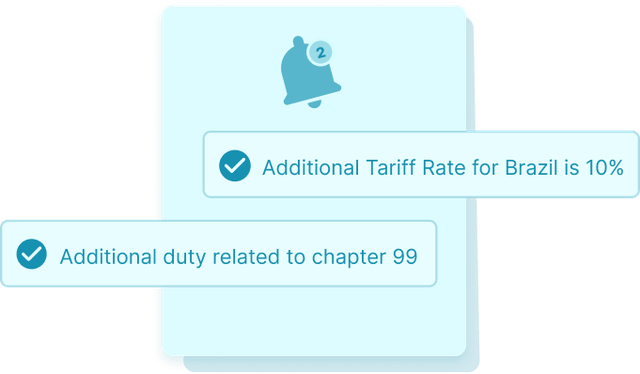
Import Requirements
Filament
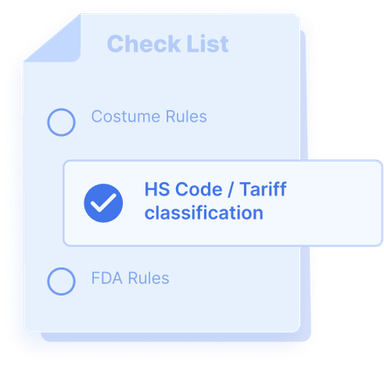
Import Data
Filament

AI Insight
Plastic Bucket under HS Code 3924-24 shows growing demand in 12 emerging markets with favorable duty rates and limited competition. Our AI has identified key compliance requirements, optimal sourcing regions, and upcoming tariff changes that could impact your margins. See the complete analysis to discover specific opportunities.









Market
Opportunities
Top 5 Partners by Quantity
 United States
 Australia
 India
India Canada


Filament HS Code description
Filament harmonized system code
Product Overview Product Definition: Filament classified under HTS 5402.33 is continuous synthetic filament yarn—principally polyester (polyethylene terephthalate)—that has been melt-spun, drawn and typically texturised or otherwise processed, and is not put up for retail sale. Key Characteristics: Typical linear density ranges from 20–1500 denier (2–168 tex), available as single or multifilament constructions (2–1000 filaments), draw ratios commonly 2.5–4.5×, tensile strength typically 15–45 cN/tex and elongation at break 10–40%; moisture regain is low (<0.5%). Processing levels include melt-spun, drawn, false‑twist texturised, heat‑set and optional twisting or crimping; quality attributes include denier tolerance (±5%), low hairiness and colorfast dyeing. Product Classifications: At the six‑digit HTS level 5402.33 covers polyester filament yarns that have been texturised/treated; commercial 8‑ and 10‑digit subdivisions differentiate by denier band, twist/texturisation, covered/core‑spun construction and put‑up. Commercial Applications: primary uses include woven and knitted apparel fabrics, upholstery, carpeting, industrial webbing and ropes, sewing threads, filtration media and other technical textile and composite applications. Shipments are commonly accompanied by certificates of analysis (COA), dye‑lot identification and supplier technical sheets specifying denier distribution, filament count and permitted variance for customs and quality audits. HTS Code Classification & Trade Specifications Full 6‑digit Code and Hierarchy: Chapter 54 — Man‑made filaments; Heading 5402 — Synthetic filament yarn (other than sewing thread), not put up for retail sale; Subheading 5402.33 — polyester filament yarns that are texturised or otherwise processed. Classification Rationale: placement under 5402.33 is driven by continuous man‑made filament construction, polymer composition and specific processing (drawn/texturised), which distinguish these goods from staple fibres (Chapter 55) or finished textile articles; further 8‑ and 10‑digit breakdowns allocate by denier bands, construction (single vs. multifilament), and covered/core‑spun status for duty assessment. Trade Considerations: common commercial put‑up are cones or tubes (typically 5–25 kg each), inner polyethylene bags, cardboard cartons and palletisation (Euro/ISO pallets); moisture‑barrier packing with desiccant and clear labeling of fiber content, net/gross weight and batch/dye‑lot is standard. Shipping: standard dry containers with protection from prolonged UV/heat; mark shipping documents with HTS (540233xxxx at U.S. 10‑digit level where applicable), COO, and technical specifications. Quality Standards: declare measurable attributes (denier/tex, filament count, tensile and elongation) and reference ISO/ASTM textile protocols for testing; provide COA and technical data sheets to support HTSUS classification and customs duty calculation.
Filament Chapter Note
1.- Throughout the Nomenclature, the term “man-made fibres” means staple fibres and filaments of organic polymers produced by manufacturing processes, either : (a) By polymerisation of organic monomers to produce polymers such as polyamides, polyesters, polyolefins or polyurethanes, or by chemical modification of polymers produced by this process (for example, poly(vinyl alcohol) prepared by the hydrolysis of poly(vinyl acetate)); or (b) By dissolution or chemical treatment of natural organic polymers (for example, cellulose) to produce polymers such as cuprammonium rayon (cupro) or viscose rayon, or by chemical modification of natural organic polymers (for example, cellulose, casein and other proteins, or alginic acid), to produce polymers such as cellulose acetate or alginates. The terms “synthetic” and “artificial”, used in relation to fibres, mean : synthetic : fibres as defined at (a); artificial : fibres as defined at (b). Strip and the like of heading 54.04 or 54.05 are not considered to be man-made fibres. The terms “man-made”, “synthetic” and “artificial” shall have the same meanings when used in relation to “textile materials”. 2.- Headings 54.02 and 54.03 do not apply to synthetic or artificial filament tow of Chapter 55.