

Maize|HTS Code
Maize belongs to HTS Subheading 1005.90, but the exact 8-digit Harmonized Tariff Schedule code depends on your product specifications. Select the correct code from this list based on your product details.
Corn (maize) Other than Seed
Yellow dent corn
Other than Yellow dent corn
DeepBeez

Founded in 2025
Tariff Tracker
Maize
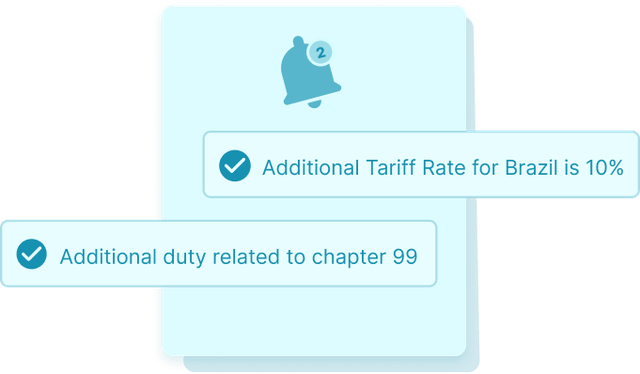
Import Requirements
Maize
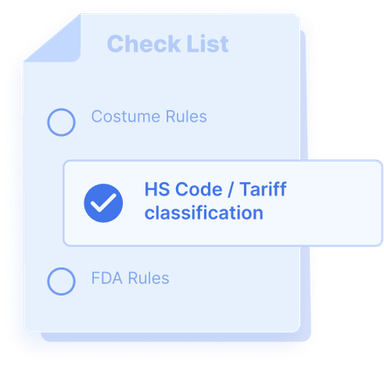
Import Data
Maize


AI Insight
Plastic Bucket under HS Code 3924-24 shows growing demand in 12 emerging markets with favorable duty rates and limited competition. Our AI has identified key compliance requirements, optimal sourcing regions, and upcoming tariff changes that could impact your margins. See the complete analysis to discover specific opportunities.









Market
Opportunities
Top 5 Partners by Quantity
 United States
 Australia
 India
India Canada


Maize HS Code description
Maize harmonized system code
Product Overview Maize under HTS 1005.90 is defined as shelled corn (Zea mays) other than seed and sweet corn, classified for commercial/industrial and feed uses. Key characteristics include whole kernal form (dent, flint, flint‑dent or white/yellow varieties), typical moisture content specified for trade contracts (commonly 12–14% w/w for dry maize), and measurable quality attributes such as foreign matter, broken/damaged kernels, and colour/grade. Processing levels range from raw shelled grain to mechanically cleaned, dried and graded lots; it excludes certified seed lots (HTS 1005.10) and prepared sweet corn (separate headings). Subcategories within 1005.90 in commercial practice are defined by variety (yellow/white), intended use (food-grade, feed-grade, industrial starch/ethanol feedstock) and conditioning (cleaned/dried, high‑moisture for ensiling excluded). Primary commercial applications are milling for corn meal/grits, wet and dry milling for starch and sweeteners, animal feed, biofuel (ethanol) production, and industrial uses (starch, oil extraction). Contracted lots commonly reference standard industry test parameters to facilitate customs duty and trade compliance. HTS Code Classification & Trade Specifications Full six‑digit structure: Chapter 10 (Cereals), Heading 1005 (Maize), Subheading 1005.90 (Other maize). The classification rationale: consignments of shelled maize that are neither seed (1005.10) nor specially prepared sweet corn fall under 1005.90 because they are unprocessed or commercially conditioned grain intended for food, feed or industrial processing. Trade considerations include common packaging (bulk—mechanical bulk carriers, hopper railcars, or containerized in 25–50 kg polypropylene or woven jute sacks on pallets), preservation methods (drying to contract moisture, aeration, controlled ventilation, and approved fumigation/phytosanitary treatments such as phosphine with accompanying certificates) and shipping requirements (phytosanitary certificate, commercial invoice with HTS number, quality inspection certificate, and any mycotoxin testing). Quality standards reference USDA grain inspection/grading criteria and importing‑country MRLs; measurable contractual parameters typically specify moisture %, maximum foreign matter %, defect/broken kernel % and mycotoxin thresholds to ensure compliance with customs valuation and duty assessment.
Maize Chapter Note
1.- (A) The products specified in the headings of this Chapter are to be classified in those headings only if grains are present, whether or not in the ear or on the stalk. (B) The Chapter does not cover grains which have been hulled or otherwise worked. However, rice, husked, milled, polished, glazed, parboiled or broken remains classified in heading 10.06. Similarly, quinoa from which the pericarp has been wholly or partly removed in order to separate the saponin, but which has not undergone any other processes, remains classified in heading 10.08. 2.- Heading 10.05 does not cover sweet corn (Chapter 7). Subheading Note. 1.- The term “durum wheat” means wheat of the Triticum durum species and the hybrids derived from the inter-specific crossing of Triticum durum which have the same number (28) of chromosomes as that species