


Perfume|HTS Code
Perfume belongs to HTS Subheading 3303.00, but the exact 8-digit Harmonized Tariff Schedule code depends on your product specifications. Select the correct code from this list based on your product details.
Perfumes and toilet waters Not containing alcohol
Floral or flower waters
Other than Floral or flower waters
Perfumes and toilet waters Containing alcohol

DeepBeez

Founded in 2025
Tariff Tracker
Perfume
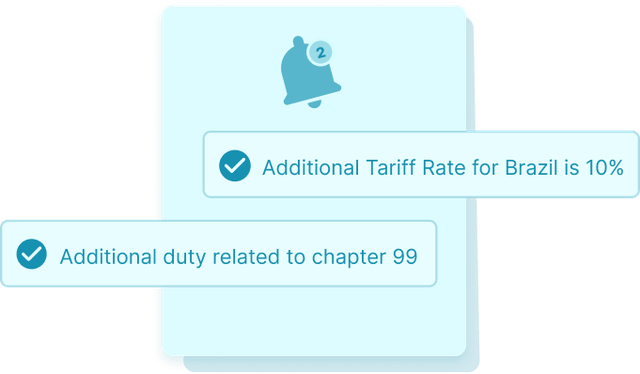
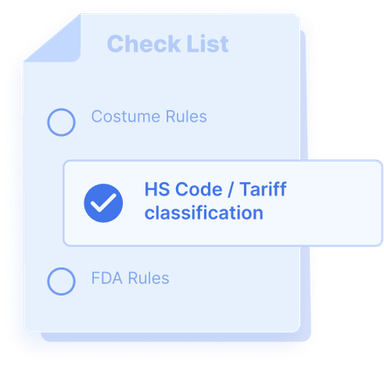
Import Requirements
Perfume

Import Data
Perfume


AI Insight
Plastic Bucket under HS Code 3924-24 shows growing demand in 12 emerging markets with favorable duty rates and limited competition. Our AI has identified key compliance requirements, optimal sourcing regions, and upcoming tariff changes that could impact your margins. See the complete analysis to discover specific opportunities.










Market
Opportunities
Top 5 Partners by Quantity
 United States
 Australia
 India
India Canada


Perfume HS Code description
Perfume harmonized system code
Product Overview Perfume classified under HTS 3303.00 is defined as an alcoholic or non‑aqueous preparation composed principally of natural and/or synthetic aromatic substances and solvent carriers, formulated to impart a lasting fragrance to persons or environments. Key characteristics: typically homogeneous, clear to slightly opalescent liquids with specific gravity ~0.85–0.95 g/mL at 20 °C, pH near neutral, and ethanol‑based solvent systems in commercial grades (ethanol commonly 60–90% v/v); fragrance concentrate levels distinguish product types (extrait/parfum 15–40% aromatic compounds; eau de parfum 10–20%; eau de toilette 5–15%; eau de cologne 2–5%). Processing levels include industrial blending, filtration, stabilization, maturation and final filling in certified packaging; quality attributes include organoleptic profile, oxidative stability, absence of particulates and compliance with IFRA limits. Product classifications within HTS 3303.00 cover both concentrates and finished preparations, including parfum/extrait, eau de parfum, eau de toilette, colognes and toilet waters. Commercial applications: retail consumer fragrances, incorporation into cosmetics and personal‑care products, scenting services in hospitality and automotive sectors, and bulk supply to manufacturers and private‑labelers. HTS Code Classification & Trade Specifications HTS structure: Chapter 33 (Essential oils; perfumery, cosmetics and toiletry preparations) → Heading 3303 (Perfumes and toilet waters) → Subheading 3303.00 (perfumes and toilet waters) — full 6‑digit code 3303.00. Classification rationale: items are classified here when formulations are primarily aromatic preparations intended for application to the person or environment, consisting of volatile aromatic compounds in solvent carriers; the tariff determination is based on composition and intended use rather than packaging alone. Trade considerations: typical retail packaging 2–100 mL glass or PET bottles with tamper‑evident closures; bulk in UN‑approved drums or IBCs. Preservation/storage: 15–25 °C, low light, controlled humidity; typical shelf life 24–60 months. Shipping: many commercial perfumes are regulated as flammable liquids (ethanol solutions) under IMDG/IATA—identify UN 1170 where applicable, apply appropriate packing instructions, hazard labels and limited quantity rules. Documentation: SDS, IFRA compliance statements, batch traceability and ISO‑referenced refractive‑index/stability test reports should accompany customs filings.
Perfume Chapter Note
1.- This Chapter does not cover : (a) Natural oleoresins or vegetable extracts of heading 13.01 or 13.02; (b) Soap or other products of heading 34.01; or (c) Gum, wood or sulphate turpentine or other products of heading 38.05. 2.- The expression “odoriferous substances” in heading 33.02 refers only to the substances of heading 33.01, to odoriferous constituents isolated from those substances or to synthetic aromatics. 3.- Headings 33.03 to 33.07 apply, inter alia, to products, whether or not mixed (other than aqueous distillates and aqueous solutions of essential oils), suitable for use as goods of these headings and put up in packings of a kind sold by retail for such use. 4.- The expression “perfumery, cosmetic or toilet preparations” in heading 33.07 applies, inter alia, to the following products : scented sachets; odoriferous preparations which operate by burning; perfumed papers and papers impregnated or coated with cosmetics; contact lens or artificial eye solutions; wadding, felt and nonwovens, impregnated, coated or covered with perfume or cosmetics; animal toilet preparations.