


Shoes|HTS Code
Shoes belongs to HTS Subheading 6403.99, but the exact 8-digit Harmonized Tariff Schedule code depends on your product specifications. Select the correct code from this list based on your product details.
Footwear with outer soles of rubber, plastics, leather or composition leather and uppers of leather Other footwear Other than Covering the ankle
Footwear made on a base or platform of wood, not having an inner sole or a protective metal toe-cap
Other than Footwear made on a base or platform of wood, not having an inner sole or a protective metal toe-cap Footwear made on a base or platform of wood
Other than Footwear made on a base or platform of wood, not having an inner sole or a protective metal toe-cap Other than Footwear made on a base or platform of wood Welt footwear
Other than Footwear made on a base or platform of wood, not having an inner sole or a protective metal toe-cap Other than Footwear made on a base or platform of wood Other than Welt footwear For men, youths and boys
Other than Footwear made on a base or platform of wood, not having an inner sole or a protective metal toe-cap Other than Footwear made on a base or platform of wood Other than Welt footwear For other persons Valued not over $2.50/pair
Other than Footwear made on a base or platform of wood, not having an inner sole or a protective metal toe-cap Other than Footwear made on a base or platform of wood Other than Welt footwear For other persons Valued over $2.50/pair

DeepBeez

Founded in 2025
Tariff Tracker
Shoes
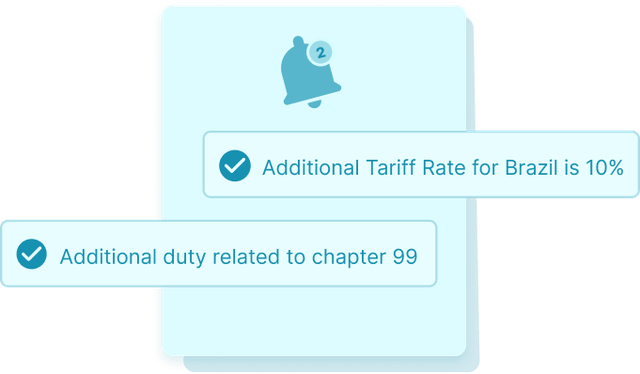
Import Requirements
Shoes
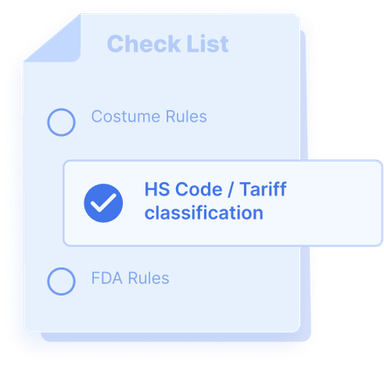
Import Data
Shoes


AI Insight
Plastic Bucket under HS Code 3924-24 shows growing demand in 12 emerging markets with favorable duty rates and limited competition. Our AI has identified key compliance requirements, optimal sourcing regions, and upcoming tariff changes that could impact your margins. See the complete analysis to discover specific opportunities.









Market
Opportunities
Top 5 Partners by Quantity
 United States
 Australia
 India
India Canada


Shoes HS Code description
Shoes harmonized system code
Product Overview Shoes classified under HTS 6403.99 are finished footwear with uppers of leather and outer soles of rubber, plastics, leather or composition leather that are not separately enumerated in more specific subheadings of Heading 6403. The product definition covers completed pairs ready for retail or wholesale distribution, incorporating operations such as cutting, stitching, lasting, sole attachment (cemented, stitched, injection-molded or vulcanized), finishing and quality grading. Key characteristics include upper leather type (full‑grain, corrected‑grain, split; typical thickness 0.9–2.5 mm), outer‑sole material and nominal sole thickness (3–20 mm), pair weight range (approximately 150–900 g depending on size/style), heel height (0–60 mm) and documented construction method. Processing levels range from basic assembly to fully finished, boxed units meeting inspection criteria (flex, abrasion, seam strength). Subcategories commonly used by trade professionals within 6403.99 are distinctions by construction (cemented vs. stitched), end‑use (dress/casual, children’s, uniform), and protective features not classified under other specific headings. Primary commercial applications include retail sales, uniform/outfitting supply and wholesale distribution to distributors and footwear processors. HTS Code Classification & Trade Specifications Full 6‑digit HTS structure: Chapter 64 — “Footwear, gaiters and the like; parts of such articles”; Heading 6403 — “Footwear with outer soles of rubber, plastics, leather or composition leather and uppers of leather”; Subheading 6403.99 — “Other.” Classification rationale: the decisive factor is leather uppers plus outer soles of rubber/plastics/leather or composition leather and exclusion from more narrowly defined subheadings (e.g., footwear with textile uppers, sports footwear, sandals). For customs duty calculation and entry, importers should substantiate material composition (mill certificates, leather content by weight/area), construction method and intended end‑use. Trade considerations include standard commercial packing (single pair per shoe box, 6–12 boxes per inner carton, typically 48–240 pairs per pallet), humidity control (silica gel, breathable interleaving), blocking to retain shape, palletization and clear HTS/COO marking. Brokers should reference applicable quality and safety standards where relevant (ASTM F2413, ISO 20344/20345) and record measurable attributes used in classification and duty assessment.
Shoes Chapter Note
1.- This Chapter does not cover : (a) Disposable foot or shoe coverings of flimsy material (for example, paper, sheeting of plastics) without applied soles. These products are classified according to their constituent material; (b) Footwear of textile material, without an outer sole glued, sewn or otherwise affixed or applied to the upper (Section XI); (c) Worn footwear of heading 63.09; (d) Articles of asbestos (heading 68.12); (e) Orthopaedic footwear or other orthopaedic appliances, or parts thereof (heading 90.21); or (f) Toy footwear or skating boots with ice or roller skates attached; shin-guards or similar protective sportswear (Chapter 95). 2.- For the purposes of heading 64.06, the term “parts” does not include pegs, protectors, eyelets, hooks, buckles, ornaments, braid, laces, pompons or other trimmings (which are to be classified in their appropriate headings) or buttons or other goods of heading 96.06. 3.- For the purposes of this Chapter : (a) the terms “rubber” and “plastics” include woven fabrics or other textile products with an external layer of rubber or plastics being visible to the naked eye; for the purpose of this provision, no account should be taken of any resulting change of colour; and (b) the term “leather” refers to the goods of headings 41.07 and 41.12 to 41.14. 4.- Subject to Note 3 to this Chapter : (a) the material of the upper shall be taken to be the constituent material having the greatest external surface area, no account being taken of accessories or reinforcements such as ankle patches, edging, ornamentation, buckles, tabs, eyelet stays or similar attachments; (b) the constituent material of the outer sole shall be taken to be the material having the greatest surface area in contact with the ground, no account being taken of accessories or reinforcements such as spikes, bars, nails, protectors or similar attachments.