Soybeans|HTS Code
Soybeans belongs to HTS Subheading 1201.90, but the exact 8-digit Harmonized Tariff Schedule code depends on your product specifications. Select the correct code from this list based on your product details.
Soybeans, whether or not broken Other than Seed
-
DeepBeez

Founded in 2025
Tariff Tracker
Soybeans
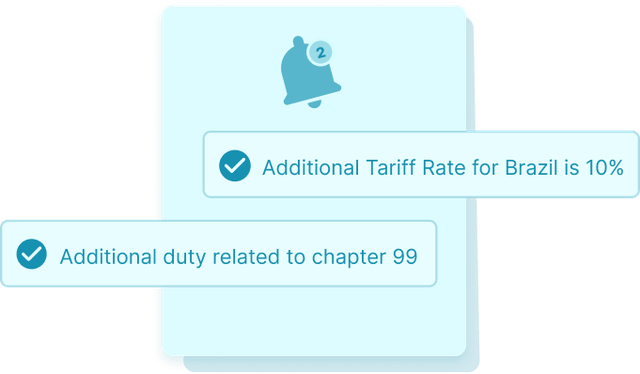
Import Requirements
Soybeans
Import Data
Soybeans
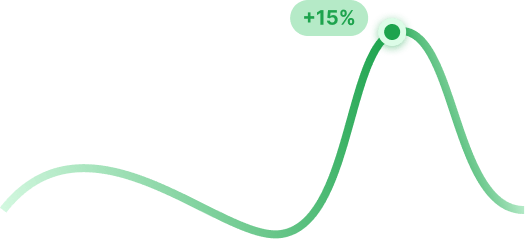

AI Insight
Plastic Bucket under HS Code 3924-24 shows growing demand in 12 emerging markets with favorable duty rates and limited competition. Our AI has identified key compliance requirements, optimal sourcing regions, and upcoming tariff changes that could impact your margins. See the complete analysis to discover specific opportunities.










Market
Opportunities
Top 5 Partners by Quantity
 United States
 Australia
 India
India Canada


Soybeans HS Code description
Soybeans harmonized system code
Product Overview Soya beans (Glycine max), classified for U.S. customs under HTS 1201.90, are oilseeds presented whole or broken and intended principally for oil extraction, meal production, direct human consumption, and animal feed. Key characteristics include mature, cleaned seed lots with typical moisture standards ≤13% (trade norm), crude protein 36–40% (dry basis), oil content 18–22% (dry basis), and bulk density commonly in the 720–780 kg/m3 range; commercial quality limits frequently specify foreign material ≤2–3% and maximum damaged seed thresholds per applicable grade. Processing levels range from raw cleaned beans (whether or not broken) to mechanically cracked, toasted, flaked, solvent-extracted meal, and crude oil. Product classifications relevant to HTS encompass sowing seed (HTS 1201.10 at the six-digit level) versus "other" soybeans (HTS 1201.90 / 120190), and commercial subdivisions such as non‑GMO, certified organic, food‑grade and feed‑grade lots. Primary industrial and commercial applications include edible oil refining, protein meal for livestock and aquaculture, food ingredient manufacture (soya flour, tofu, protein isolates), and industrial uses such as biodiesel feedstock and lecithin production. HTS Code Classification & Trade Specifications Full HTS structure: Chapter 12 (12 — Oil seeds and oleaginous fruits); Heading 1201 (1201 — Soya beans, whether or not broken); Subheading 1201.90 (120190 — Other soya beans, whether or not broken). Classification rationale: consignments of Glycine max not presented as seed for sowing fall under 1201.90 because they are raw oilseeds intended for processing or direct consumption; the "whether or not broken" phrase covers whole, cracked or fractionated beans. Trade considerations include standard packaging (bulk shipment by vessel, unitized 20‑/40‑ft containers, or 25–50 kg polypropylene bags on pallets), preservation measures (dry storage, targeted moisture ≤13%, aeration to avoid heating, periodic inspection), and phytosanitary/fumigation treatments where required by the importing country. Shipping requirements include ISPM‑15 compliance for wooden pallets, commercial invoice, packing list, bill of lading, phytosanitary certificate, and any GMO/organic certification if applicable. Quality standards referenced by customs and buyers include USDA Official Grain Standards and contractual specifications for moisture, foreign material, percentage damaged, protein and oil content; meeting these measurable attributes facilitates accurate duty assessment and clearance.
Soybeans Chapter Note
1.- Heading 12.07 applies, inter alia, to palm nuts and kernels, cotton seeds, castor oil seeds, sesamum seeds, mustard seeds, safflower seeds, poppy seeds and shea nuts (karite nuts). It does not apply to products of heading 08.01 or 08.02 or to olives (Chapter 7 or Chapter 20). 2.- Heading 12.08 applies not only to non-defatted flours and meals but also to flours and meals which have been partially defatted or defatted and wholly or partially refatted with their original oils. It does not, however, apply to residues of headings 23.04 to 23.06. 3.- For the purposes of heading 12.09, beet seeds, grass and other herbage seeds, seeds of ornamental flowers, vegetable seeds, seeds of forest trees, seeds of fruit trees, seeds of vetches (other than those of the species Vicia faba) or of lupines are to be regarded as “seeds of a kind used for sowing”. Heading 12.09 does not, however, apply to the following even if for sowing : (a) Leguminous vegetables or sweet corn (Chapter 7); (b) Spices or other products of Chapter 9; (c) Cereals (Chapter 10); or (d) Products of headings 12.01 to 12.07 or 12.11. 4.- Heading 12.11 applies, inter alia, to the following plants or parts thereof : basil, borage, ginseng, hyssop, liquorice, all species of mint, rosemary, rue, sage and wormwood. Heading 12.11 does not, however, apply to : (a) Medicaments of Chapter 30; (b) Perfumery, cosmetic or toilet preparations of Chapter 33; or (c) Insecticides, fungicides, herbicides, disinfectants or similar products of heading 38.08. 5.- For the purposes of heading 12.12, the term “seaweeds and other algae” does not include : (a) Dead single-cell micro-organisms of heading 21.02; (b) Cultures of micro-organisms of heading 30.02; or (c) Fertilisers of heading 31.01 or 31.05.